
Wreaths Across America

A mix of long rifles, muskets and pistols fired together at the Post Cemetery on December 20 – not in anger, but in honor of veterans – during the nationally held Wreaths Across America Ceremony. It was sponsored by the National Society Daughters of the American Revolution (DAR).
Once 60 visitors assembled at the Post Cemetery, Leslie Dietrich, Regent of the Fort Reno Chapter of DAR, welcomed everybody and asked for the Colors to be posted. Allegiance was given to our flag, followed by a prayer of remembrance for deceased veterans.
Dietrich said the group lays wreaths “to remember, honor and teach about those who served in the military and protected our freedoms…and teach the next generation the value of freedom.” Their purpose is “not to decorate graves…” but express a “symbol of honor for their (veterans) sacrifice.” The National DAR has given service to living and deceased veterans since 1890.
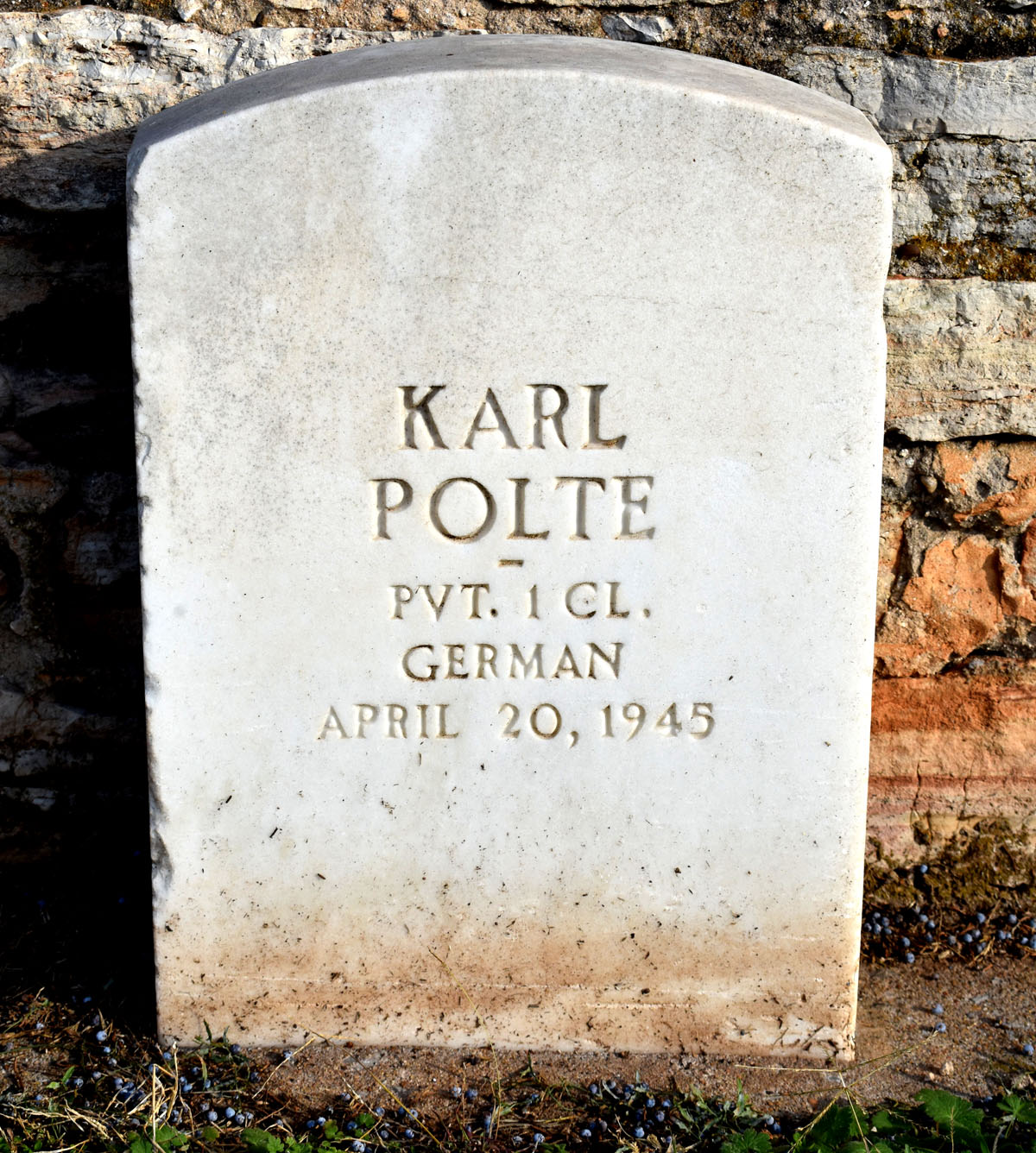
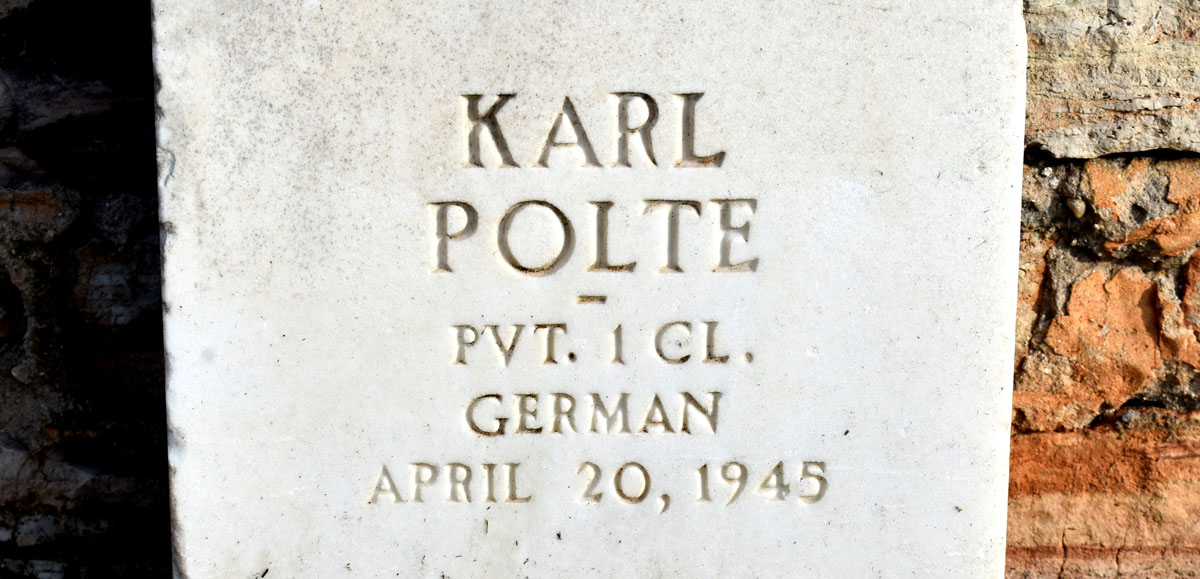
Attendees then picked up the green wreaths that the DAR brought and put them on veteran’s headstones while reciting their name as a way to publicly show they are not forgotten. After Dan Wilson of Wakita laid a wreath, he said, “I love to see the respect given to those who have gone before us.” German and Italian soldiers buried at the P.O.W. Cemetery did not receive wreaths.
Members of the Sons of the American Revolution and The Guthrie Gunfighters, dressed in historical period clothing, formed a line and fired three volleys. Then, Chad Kautz played a mournful Taps. The Guthrie Gunfighters’ Trail Boss, Kent Smith, said, “We come out to support the museum in a unique way to honor our veterans.”
In 2022, the Worcester Wreath Company of Harrington, Maine, placed wreaths on 2.7 million veteran’s headstones at 3,702 locations in all 50 states and abroad with the help of two million volunteers and organizations providing support.
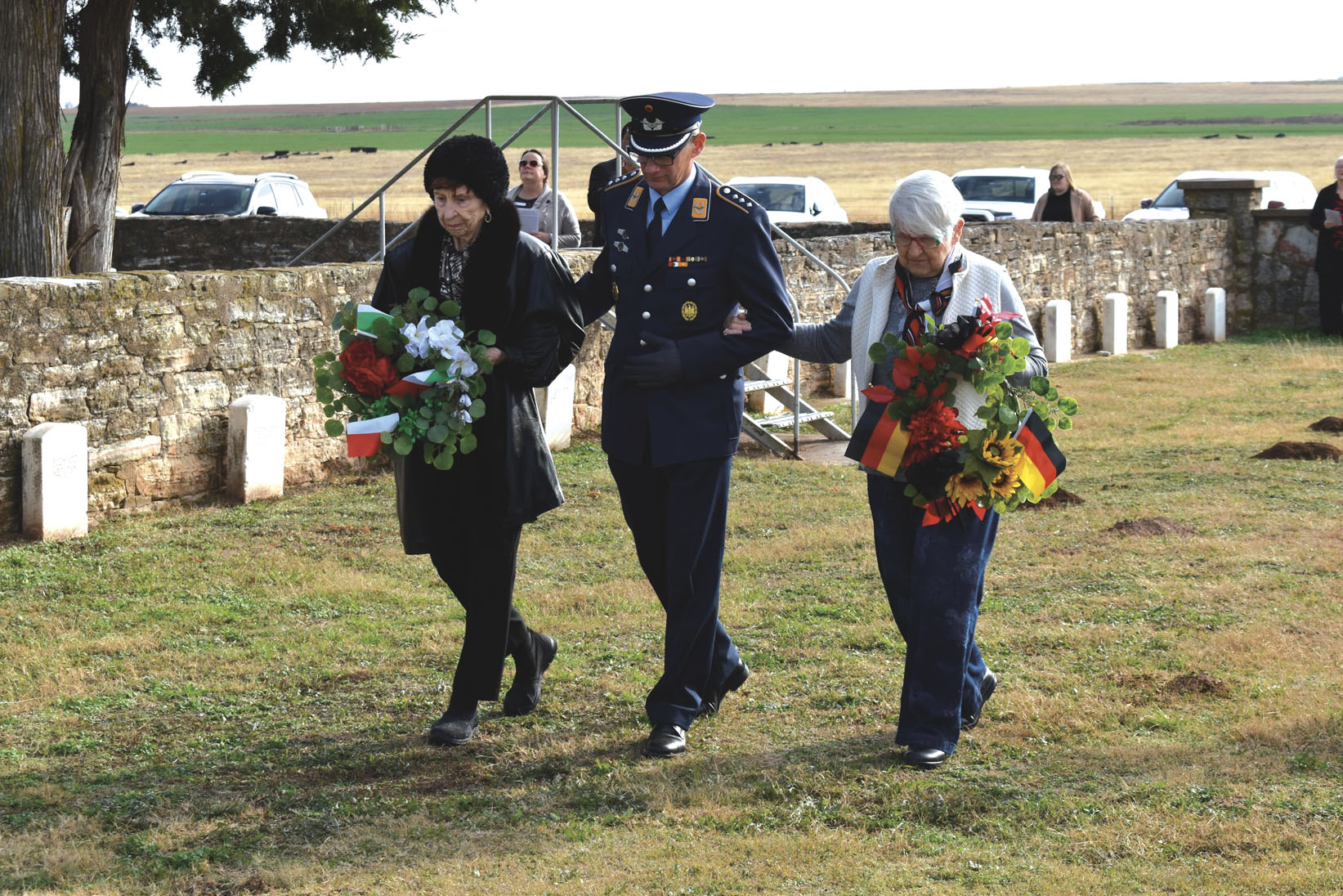
After both events, Kaufman opened the museum for individual tours and a reception, offering engaging conversation and a variety of food and beverages. She summarized the events by saying, “We are fortunate to have a cemetery that has a long period of history tied to it. With the German-Italian Memorial Service and the DAR’s Wreaths Across America service, they provide opportunities to honor servicemen buried there.”
“To be killed in war is not the worst that can happen. To be lost is not the worst that can happen…….to be forgotten is the worst.” Piere Claeyssens (1909-2003). •