
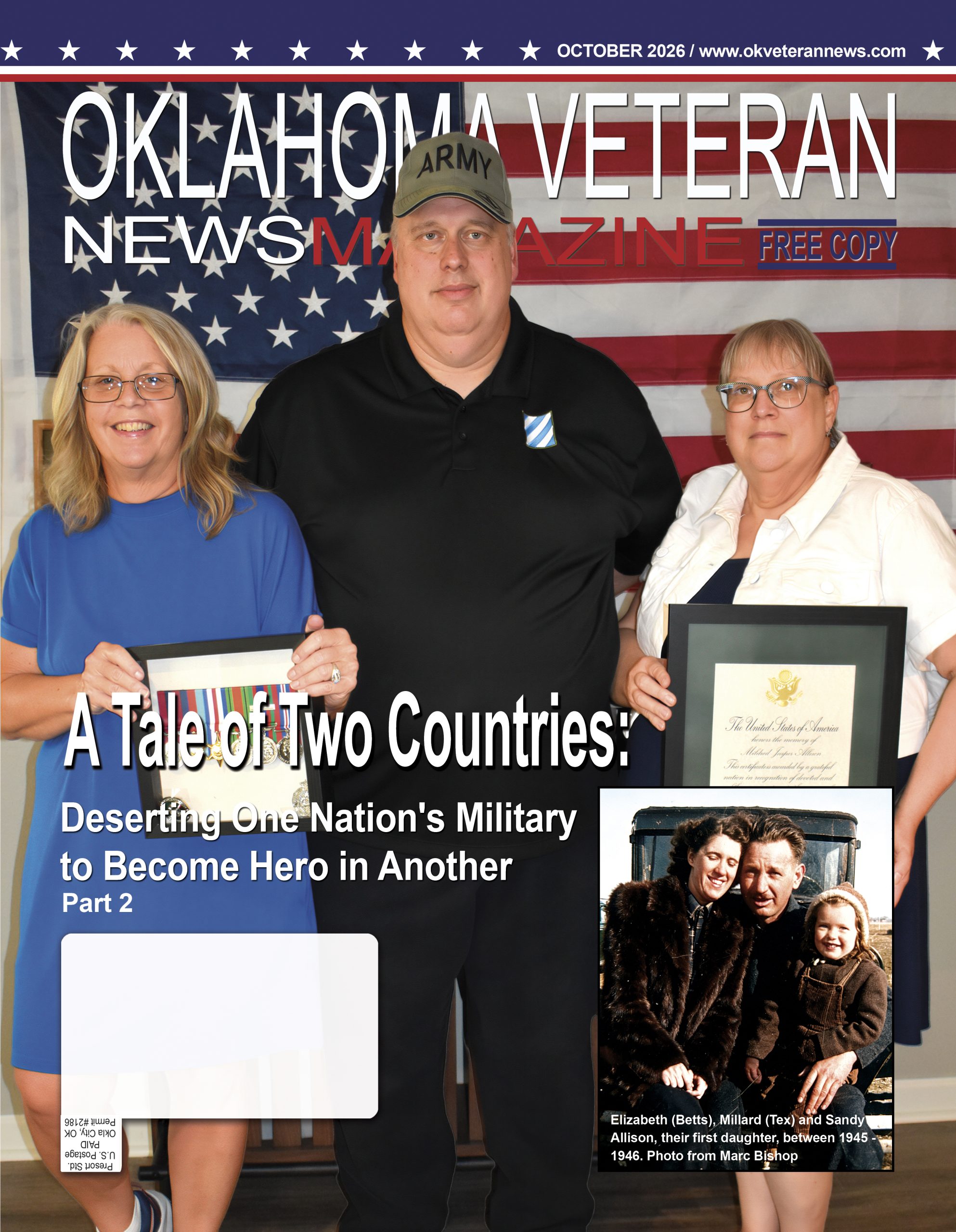
EDITOR’S NOTE: This is the second (part one appeared in last month’s issue) of a three-part story on WWII hero Mildred Allison. Watch for the exciting conclusion in November’s issue! If you didn’t catch the first part in September’s issue, read it online at www.okveterannews.com

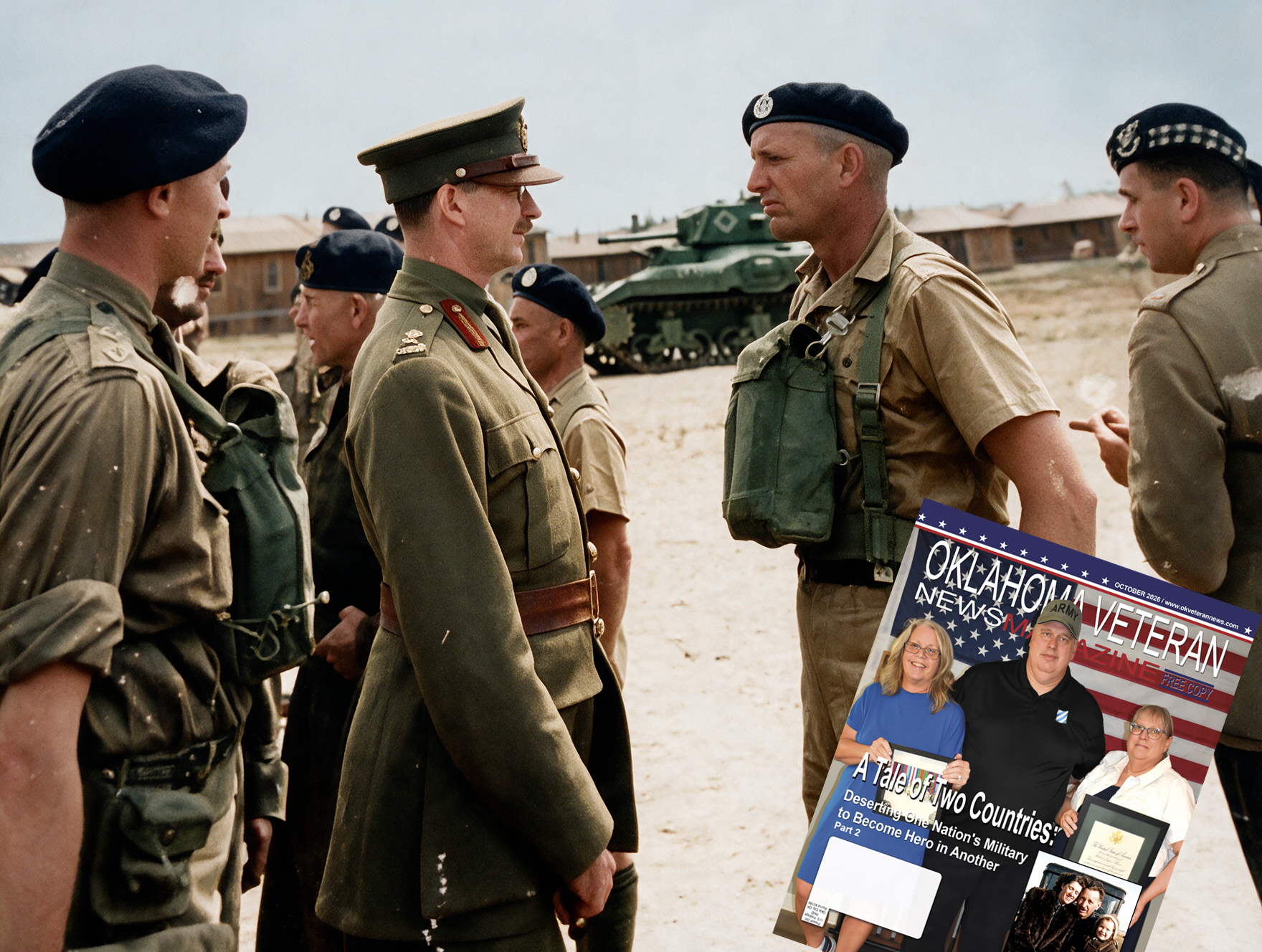
Corporal Allison, a tank crew commander during WWII, fought through France, Holland and Germany, keeping his crew alive to see V-E Day.
Prologue. In September’s Part 1 article, readers learned Mildred Allison was born dirt poor in Farrar, Texas, in 1913, picked cotton as a child with his family; enlisted in the United States Army from 1936-1939; and reenlisted in 1940. Assigned to Fort Lewis, Washington, near Canada, which was fighting during WWII, Allison decided he wanted to fight too. It was August 1941 and America was not at war. Although his Company Commander knew Allison’s intentions, he approved a three-day pass. “August the 10th, 1941, I signed out of my unit…with no intention of returning,” audio-taped Allison in retirement. Allison passed away in Midwest City, OK August 18, 1976 at age 62 and is burried with his wife Elizabeth in Norman, OK. His oldest daughter, Sandy Bishop, transcribed recordings for the family – and now the public. Most quotations are Allison’s own words. Grandson Marc Bishop researched the story further.
Joining Canadian Army
Allison bought a one-way ticket to Vancouver, British Columbia, about 60 miles from Fort Lewis. “On Monday, Aug. 12, 1941, I was sworn in the Canadian Army as Millard Jasper Allison,” informal name “Tex,” without taking the oath of allegiance to the King of Canada. Sergeant Allison became a Corporal in the British Columbia Regiment.
A Bus Ride Leads to Romance
While training in St. Catherines, Ontario, he met his future wife, albeit in an unusual way. On a bus, Allison started escorting a black man sitting at the front to the rear. “This pretty, petite, four-foot-eleven-inch woman that could only weigh ninety pounds…stood up and walked right up to me. ‘I don’t know where you come from, soldier, but in Canada, we treat all people the same.’” Allison released the man and sat down behind the woman. He asked, “‘Do you make it a habit of confronting strange men?’ She turned sharply, looking me in the eyes. ‘Only when they need to learn manners,’” she said.
Allison had met Elizabeth (Betts) Myrtle Garner. They had a whirlwind romance and married Jan. 8, 1942.
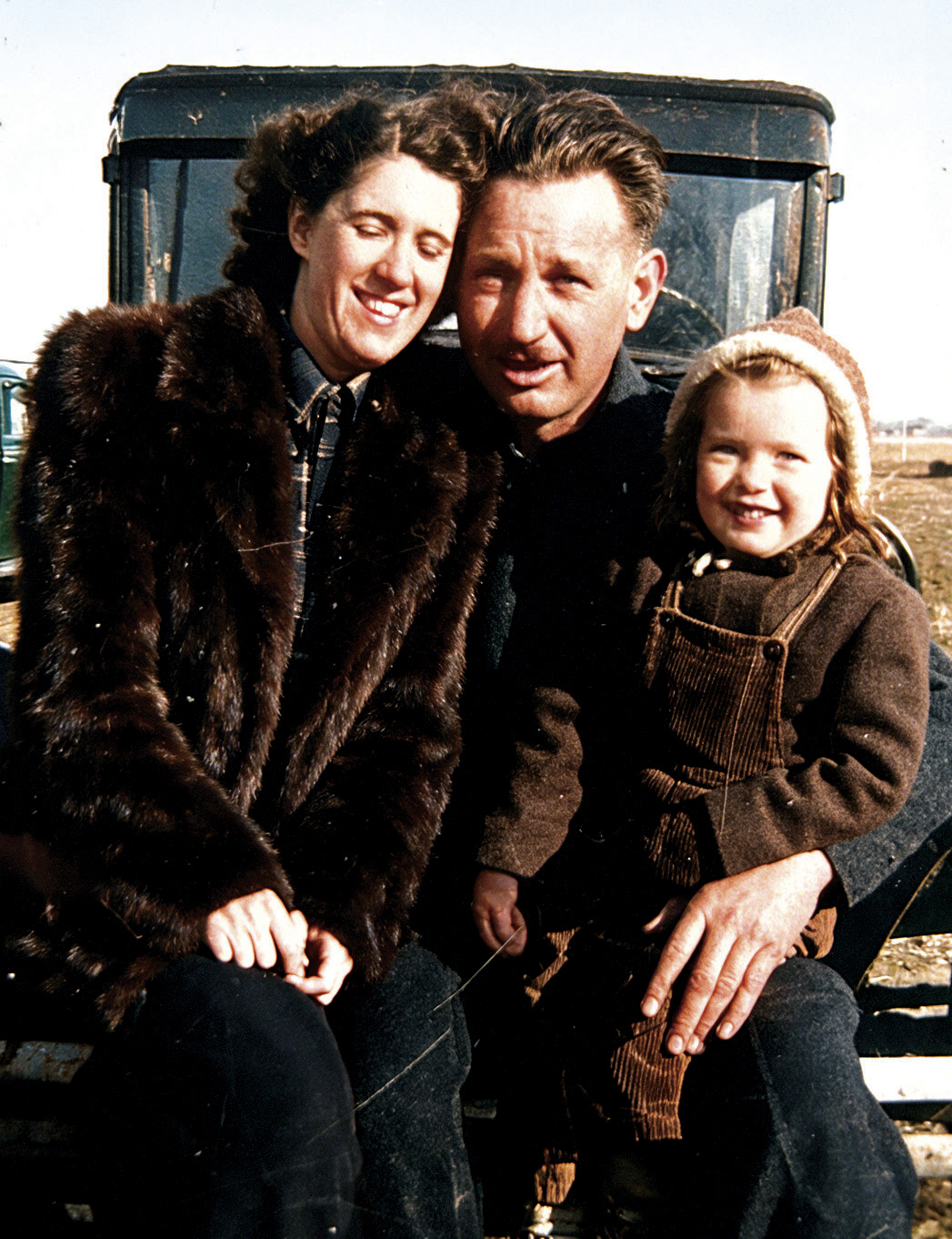
A Tank Man and Father
After the unit was redesignated from infantry to armor, they were renamed the 28th Armoured Regiment (British Columbia Regiment) and received training in Nova Scotia, Canada. Allison’s wartime trade became “driver mechanic.” Elizabeth returned to Montreal, where she had many friends, and gave birth to their first child, Sandra (Sandy), Aug. 5, 1942. The regiment deployed on Aug. 21, 1942, aboard a troop ship to England. There, the men completed extensive training in Kent. On July 28, 1944, seven weeks after the D-Day invasion, their unit landed at Sword Beach in Normandy and started executing their mission.
POW
“The Germans captured me on September the 22nd, 1944, and held me prisoner for nine days while I was tending the wounds of my troop leader.” This was in France’s hedgerow country. Allison was among 14 Canadians and 15 Polish Army Corps troops who were marched to Rouen and imprisoned in the Citadel. Freed by Free French of the Interior (FFI) after they attacked the Citadel, they assisted the FFI in killing Germans in Rouen. The Canadians met advancing British soldiers who gave them a half-ton truck and they headed back to their units.
Courage Under Fire
By mid-April 1945, Corporal Allison arrived in Germany. He was crew commander of a Sherman tank equipped with a 75-mm gun. On April 17, as lead tank of No. 3 Troop, B Squadron, Allison was ordered to push east with other tanks along a railway embankment about 20 feet above the ground. The exposed position left the tanks vulnerable to German tanks and anti-armor howitzers. Allison directed his crew to push a boxcar down the railway tracks with their tank, keeping it fairly hidden. “I suppose that was the only thing that saved us. We were in the open and 88’s (88 mm anti-tank artillery gun) were trying to hit us…I was standing with my head out of my turret. I had to use my pistol and grenades and killed over fifty of the enemy as we advanced about 2,500 yards.” German infantry had been advancing with “Panzerfausts,” German bazookas. Allison’s crew killed some of the attackers and held others at bay.
Allison noticed the tank of his troop commander, Captain Bell, on fire. He maneuvered his tank out of the line of fire, jumped out, and ran to Bell’s tank. “I picked up Bill and carried him on my shoulder about three hundred yards to a barn.” Allison returned to the destroyed tank twice more-once to carry Bell’s operator to the barn and again to lead the remaining men there while shells fell around them.
Getting back in his tank, his crew kept fighting for another 36 hours. “We were able to knock out the anti-tank gun that took out Bill’s tank. We stopped several infantry rushes against our own infantry and eliminated two German self-propelled guns and an armored infantry carrier.”
He was told about 1,000 Germans died in the battle. The Liberation Route Europe website described the Küsten Canal as “a carefully defended position…In just three days, over 200 Canadian soldiers were killed or wounded.”
After the war, Allison summarized his regiment’s accomplishments. “We had fought through Belgium, Holland, France and we were within 45 or 50 miles of Berlin, Germany, when I left combat. I was sent to the hospital in Brussels for blood poisoning in my left hand from shrapnel I had received. This was five days before V-E Day, 5th of May, 1945.” He experienced combat from September 1944 to May 1945. Corporal Millard Allison was honorably discharged from the Canadian Army on Nov 5, 1945.
Thoughts About Combat
• “You have to believe: it will not be you…You live and fight – one day at a time.” • “I do not know who had the best soldiers. I think the best soldiers might have been the ones who were there for the adventure and excitement of the war.” • “I tried to never feel the fear. The fear was there, but I never wanted my driver to know I was scared…Anyone who saw any action in the war and said they were not scared was either a damn liar or a fool.”
Distinguished Conduct Medal (DCM)
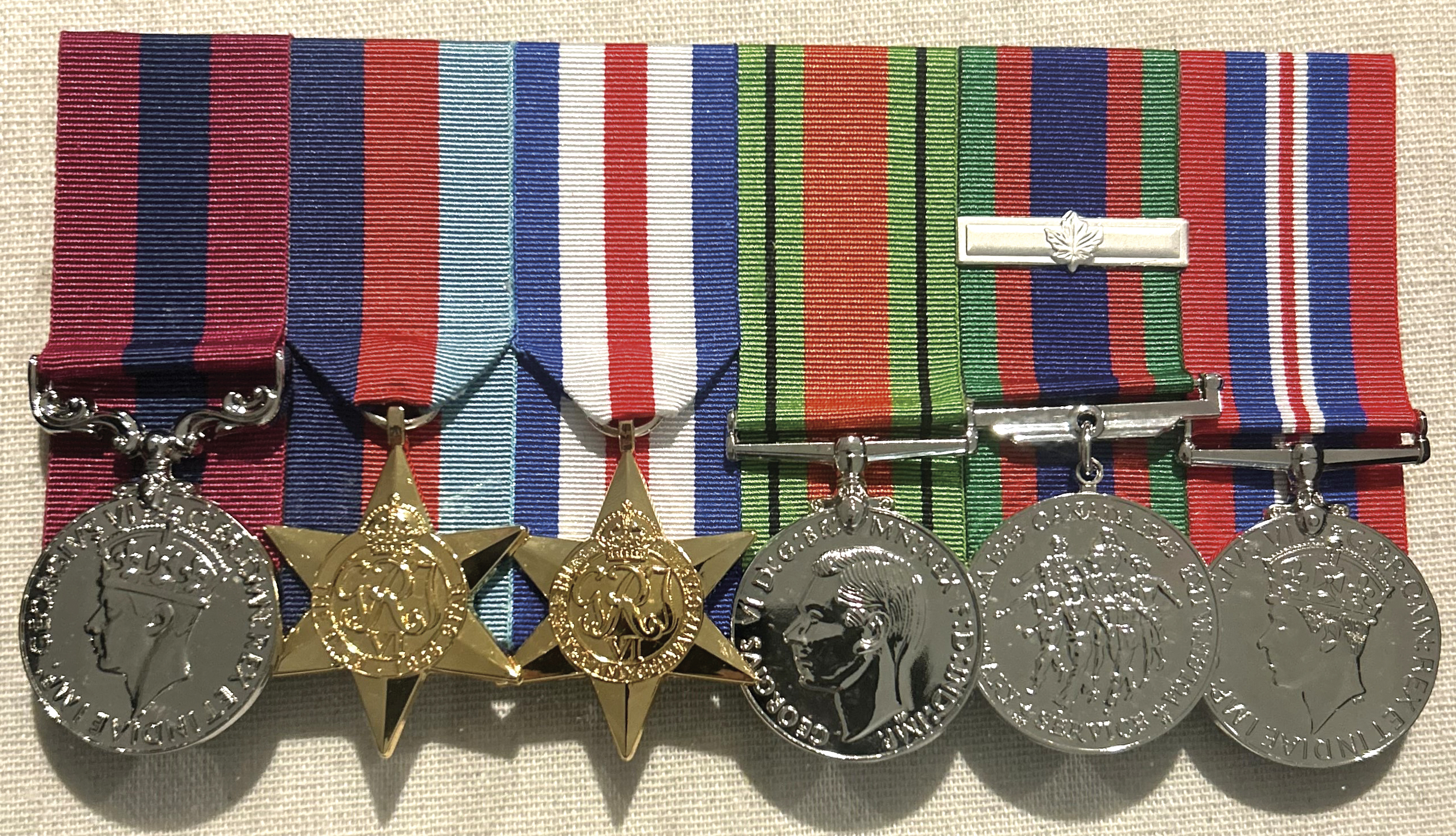
Corporal Allison was awarded the DCM on Nov. 15, 1945, and 100 Canadian dollars for his actions during the battle of Kusten Canal. The DCM was the second highest medal that could be awarded by the British military. A letter from the Department of National Defence, Army, congratulated the Allisons “in recognition of gallant and distinguished services in the field.”
Epilogue: Back Home
On Dec. 12, 1945, Allison’s family left Canada and moved to Texas. He had been gone for four years. No job was waiting. Re-join the U.S. Army and finish his enlistment? Tex Allison didn’t know it yet, but the U.S. Army wanted to see him about some unfinished business. And what kind of life would Elizabeth and Sandy – both Canadian citizens – experience?
In Part III, we follow the Allison’s family life in Texas – and encounter one big, jarring bump in the road they must travel over. • Story by Retired Lt. Col. Richard Stephens, Jr., USAFR website: Rich Travel Niche