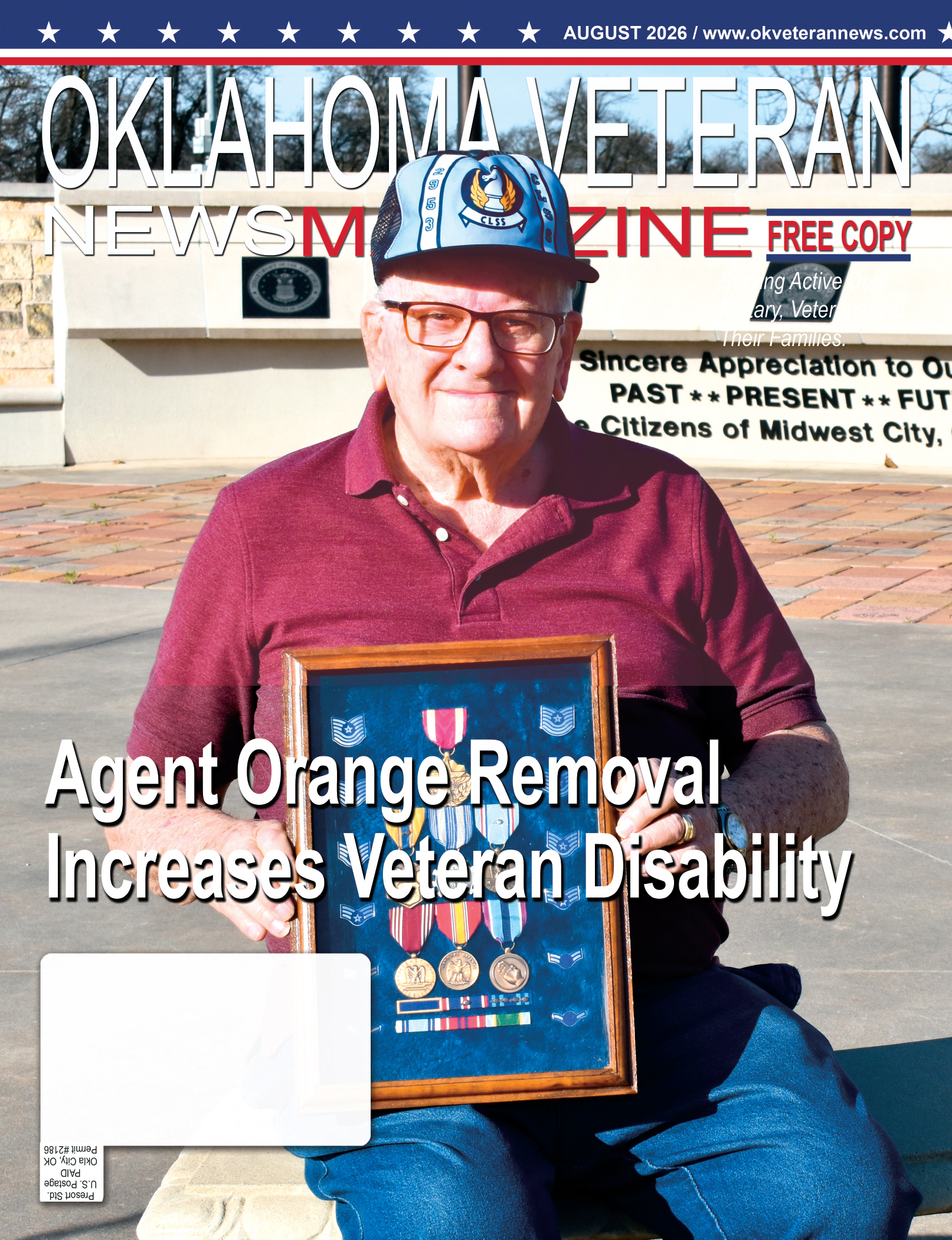

Staff Sergeant Bill Dooley and four team members donned gas masks with respirators, heavy-duty rubber gloves and coveralls to avoid smelling or touching Vietnam War-era Herbicide Orange, aka, Agent Orange, they were removing from 15,000, 55-gallon
drums. Forty-nine years later, his military service-connected disability increased to 70% after he proved his connection to Agent Orange. The PACT Act helped him qualify for the higher rating.

Operation Pacer HO (Herbicide Orange)
Dooley, a logistics specialist with the 2953rd Combat Support Logistics Squadron (CLSS), deployed to the Naval Construction Battalion Center, Gulfport, Mississippi, with 20 other Airmen from Tinker AFB for six weeks between April and June 1977. He left Martha, his wife, and three children behind. CLSS’ from the Air Force Bases at Kelly, San Antonio, and Hill also deployed to remove the defoliant.
Preparation
Dooley remembered squadron leadership saying, “that we’d be taken care of with clothing and appropriate material during getting rid of the herbicide orange…And I’ll say this, they did.” He added, “Before we went, we were all tested for various things in our system”
Medical testing, for heart, for lungs, for any ailments. When we got through with the job, we were tested three different months to see if there was any difference from the beginning.”
On site
Dooley, the third person in the assembly line, served as the tipper and sprayer. After tipping the barrel over, “I sprayed it with diesel fuel with a little foot thing (lever) which would shoot up and clean it.” The Gulfport Sun Herald newspaper reported, “Both the herbicide and fuel will be pumped into railroad tank cars.”
On their last work day, one of the guys attached a white sheet to the railroad car with the wording, “Bye, bye Herbie. And he sat on top of the railroad car,” said Dooley. “It was a good feeling.”
What was Herbicide Orange like?
“Kind of reddish-brown color,” remembered Dooley. It had the consistency of vegetable oil. Were there vapors? Yes. “That’s why we wore a gas mask all the time.” A smell? “It had a horrible smell…musty…and it was on our clothes. They burned our clothes when we
got all through.”
What happened to the defoliant?
Newspaper reports said that once the railcars were filled with defoliant, they were moved to the Port of Gulfport, where hoses transferred the defoliant to the incinerator ship Vulcanus. The ship sailed near Johnston Island in the Pacific Ocean where the liquid was burned. The Environmental Protection Agency approved the entire plan.
Homecoming
Even at home, Dooley said, “You could smell it all the time. It wasn’t a nauseating smell, and it perforated everything you wore. My wife said she could smell me for about several months afterwards, no matter how much I shaved, no matter how much I bathed.”
Tinker’s deployed CLSS members received Air Force Commendation Medals.
Disability
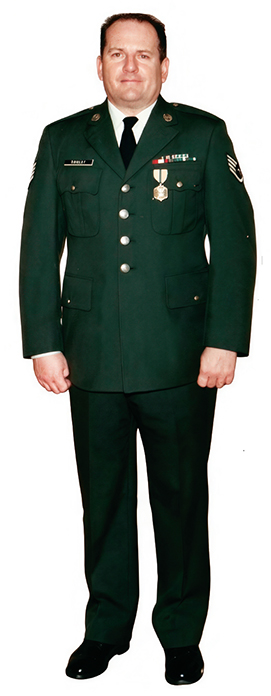
Dooley retired as a Master Sergeant on November 1, 1984, with 21 years of service and a 10% disability rating from the VA for having an enlarged heart. On February 12, 2023, the VA increased it to 40% after evaluating his kidneys, diabetes and heart. Finally, after talking with veterans and reading about the PACT Act (Honoring our Promise to Address
Comprehensive Toxics Act, a law signed in 2022), Dooley, who lives in Del City, requested and received extensive VA tests. Result? His major conditions identified hypertension, coronary artery disease and chronic kidney disease. Those findings increased his overall disability rating to 70% on Dec. 15, 2025.
Advice to veterans
“I looked into the possibility of increasing my disability because of my handling of Agent Orange,” Dooley said. “I hope veterans will read this and if they’re not feeling well, check with the Veterans Administration.”
He encourages veterans to seek testing if they believe their past or current military service has affected their physical or mental health.
Veteran resources
“The PACT Act is a law that expands VA health care and benefits for Veterans exposed to burn pits, Agent Orange, and other toxic substances. This law helps us provide generations of Veterans-and their survivors – with the care and benefits they’ve earned and deserve.” (from the VA website at www.va.gov/resources/the-pact-act-and-your-vabenefits/)
family