Thursday, March 19, 2026

JAN/FEB AARP Drivers Safety

0

Date/ Day/ Location/ Time/ Registration #/ Instructor

Jan 2/ Thursday/ Okla. City/ 9 am – 3:30 pm/ 951-2277/ Varacchi
Integris Senior Wellness Center – 5100 N. Brookline, Suite 100
Jan 8/ Wednesday/ Mustang/ 8:30 am – 3:30 pm/ 376-3411/ Kruck
Mustang Senior Center – 2101 Mustang Rd.
Jan 10/ Friday/ Okla. City/ 9 am – 3:30 pm/ 951-2277/ Palinsky
S.W. Medical Center – 4200 S. Douglas Ave., Suite B-10
Jan 14/ Tuesday/ Edmond/ 10 am – 4:30 pm/ Varacchi
Shelter Insurance – Edmond
Jan 14/ Tuesday/ Yukon/ 8:30 am – 3:30 pm/ 350-7680/ Kruck
Dale Robertson Senior Center – 1220 Lakeshore Dr.
Jan 21/ Tuesday/ Okla. City/ 8:30 am – 3:30 pm/ 603-7183/ Kruck
Healthy Living – 11501 N. Rockwell
Feb 6/ Thursday/ Okla. City/ 9 am – 3:30 pm/ 951-2277/ Varacchi
Integris Wellness Center – 5100 N. Brookline, Suite 100
Feb 6/ Thursday/ Norman/ 9 am – 3:30 pm/ 307-3177/ Palinsky
Norman Regional Hospital – 950 N. Porter Ave.

Feb 7/ Friday/ Okla. City/ 8:30 am – 3 pm/ 721-2466 ex 2163/ Kruck
Baptist Village – 9700 Mashburn Blvd

Feb 8/ Saturday/ Midwest City/ 9 am – 3:30 pm/ 473-8239/ Williams
First Christian Church – 11950 E. Reno Ave.

Feb 12/ Wednesday/ Warr Acres/ 8:30 am – 3:30 pm/ 789-3202/ Kruck
Warr Acres Community Center – Waiting confirmation on location

The prices for the classes are: $15 for AARP members and $20 for Non-AARP. Call John Palinsky, zone coordinator for the Oklahoma City area at 405-691-4091 or send mail to: [email protected]

Trauma One Re-Verified as Level 1 Trauma Center

0

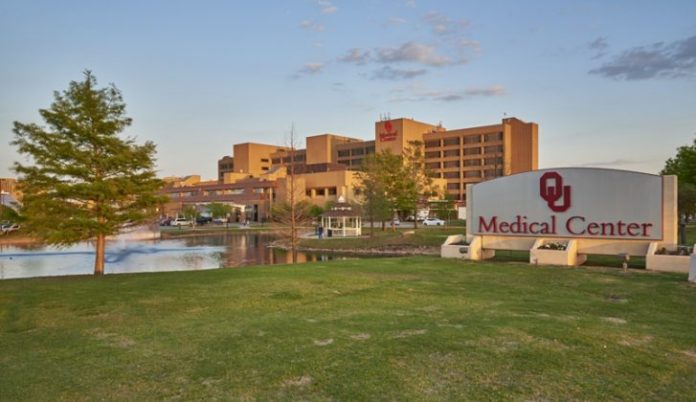
The trauma center at OU Medicine has been re-verified as a Level 1 Trauma Center by the American College of Surgeons.
In 2001, the Trauma One Center, at both OU Medical Center and The Children’s Hospital, was designated as Oklahoma’s only Level 1 Trauma Center, the highest national ranking a trauma center can receive. The verification process by the American College of Surgeons validates that trauma centers have all resources necessary for any type of trauma care.
“Earning verification from the American College of Surgeons is gratifying because it reflects the commitment and hard work that our healthcare professionals deliver day in and day out,” said OU Medical Center President Kris Gose. “The process validates that we have all resources in place to provide optimal trauma care at any time.”
As a Level 1 Trauma Center, Trauma One offers comprehensive care that can handle the most critical emergencies. Trauma One provides 24-hour coverage by general surgeons, and quick availability of care in specialties such as orthopedic surgery, neurosurgery, anesthesiology, emergency medicine, radiology, internal medicine, plastic surgery, oral and maxillofacial surgery and more.
Operating rooms and trauma surgeons are available 365 days a year, and the air ambulance Medi Flight can be dispatched in minutes to airlift patients to Trauma One. A multidisciplinary team of physicians, nurses, specialists and other health care professionals are always on site, using advanced technology to treat the most severe and critical injuries. Level 1 Trauma Centers provide total care for every aspect of injury, from prevention through rehabilitation.
In addition to serving people across Oklahoma, Trauma One, because of its location in the geographic center of the state, is ideally positioned for regional access as well. An injured person’s best chance for survival is when treatment occurs within an hour of the event. Paramedics, ambulance systems and other hospitals across the state play key roles in transporting patients to Trauma One within an hour.
“The Trauma One Center has been able to save countless lives in its nearly 20-year existence,” said Roxie Albrecht, M.D., medical director of Trauma One. “As part of a tertiary care center, it is important that we participate in continuous assessment of our program. Our aim is to always provide the highest level of care to people when they need it the most.”
The verification of Trauma One was conducted by the Verification Review Committee, a subcommittee of the Committee on Trauma of the American College of Surgeons. Verified trauma centers must meet the essential criteria that ensure trauma care capability and institutional performance, as outlined by the American College of Surgeons’ Committee on Trauma in its manual Resources for Optimal Care of the Injured Patient. There are five categories of verification in the program. In addition to submitting documentation, Trauma One had an on-site review by a team of experienced site reviewers.
Level 1 Trauma Centers like OU’s Trauma One also provide public education and prevention information to people across the state. OU’s primary areas of advocacy are: ATV Ride Safe Oklahoma, which provides classes to increase awareness of ATV safety guidelines; Stop the Bleed, a course that teaches how to save someone’s life by controlling bleeding; and concussion education for coaches, game officials, athletes and parents about the nature of concussion and head injury.

MAKE EXERCISE A HABIT FOR BEST HEALTH OUTCOMES

0
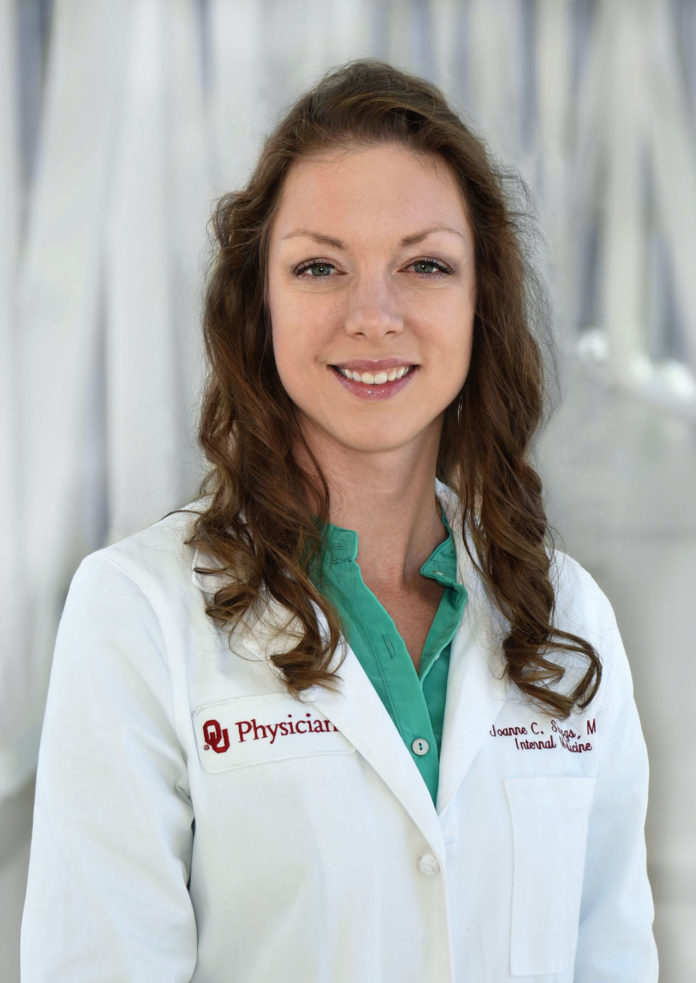
Joanne Skaggs, M.D., OU Medicine internal medicine physician.

By Joshua Vascil, OU Medicine

When it comes to healthy and effective exercise habits, the amount of time and effort you can put in to the workouts is the key. However, an OU Medicine internal medicine provider says there are some helpful options for those who don’t have much time to work out.
According to the Journal of the American Medical Association, adults should spend 150 to 300 minutes per week of moderate-intensity, or 75 to 150 minutes a week of vigorous-intensity aerobic physical activity. The Journal also recommends adults perform muscle-strengthening activities that involve all major muscle groups two or more days a week.
Joanne Skaggs, M.D., OU Medicine internal medicine physician, says time does matter when it comes to your workout habits, however, if you don’t have much time, she recommends High Intensity Interval Training or HIIT work-outs or simply limiting idle time throughout the day.
“Weight-bearing exercise is key for metabolism and losing weight just as much as aerobic physical activity is,” Skaggs said. “You always want to do a combination.”
Maintaining a routine to ensure that you get the most out of your exercise habits is important, Skaggs said. She recommends marking time for exercise on a calendar. “It forces it to become part of your schedule so that it’s harder to ignore, or at least there is some guilt. Group fitness is also a good way to motivate and become socially engaged in your community.”
For those who can’t find time or can’t make it to a fitness facility or gym regularly, Skaggs suggests trying to limit idle time by incorporating some of these activities in your day:
· Move more
· Sit less
· Park at the back of the parking lot
· Take the stairs when you can
· Incorporate physical activity into family time
· Look for fitness videos online, even if it’s only a 10 minute workout
“I always recommend the rule of 3’s,” Skaggs said. “Three minutes for three days in a row. Increase by three minutes every three days until you are able to reach 30 minutes. It’s much more doable this way.”
Skaggs warns that it’s always important everyone knows their limits and not push too hard, to avoid injury. “Do not go out and try and lift excessively or over exert yourself. Know your body. Do what you can, gradually pushing yourself to maintain a steady, healthy exercise pattern. And, you need to realize that physical fitness and health takes time. You’re not going to lose 50 pounds overnight.”
Before starting a new exercise and fitness regimen, it is important to check with your doctor.
OU Medicine has primary care physicians available at many locations across the Oklahoma City metro. For more information, go to: https://www.oumedicine.com/oumedicine/primary-care

New use for OMRF brain cancer treatment could extend lives

0
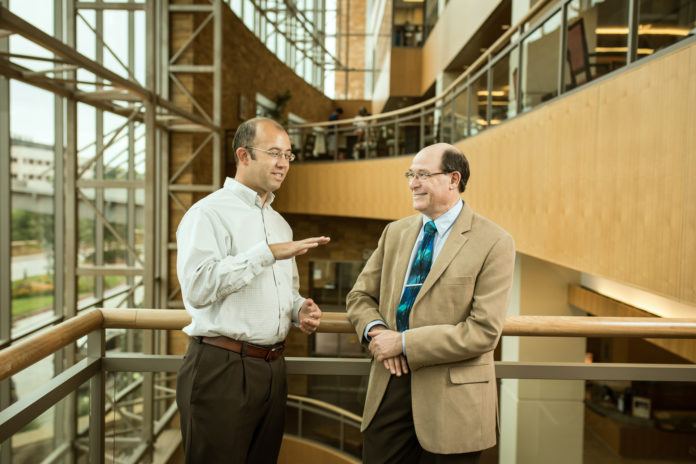
Dr. James Battiste (left) is leading the clinical trial for OKN-007, an experimental drug that Dr. Rheal Towner (right) helped pioneer to treat brain cancer patients. (Photo courtesy of the Oklahoma Medical Research Foundation)

An experimental brain cancer compound developed at the Oklahoma Medical Research Foundation is being used in a new study that could considerably extend the lives of glioblastoma patients.
In a study at the University of Oklahoma’s Stephenson Cancer Center, the OMRF compound OKN-007 is being combined with Temodar, the current standard-of-care medication for glioblastoma. Researchers hope to learn if it can enhance Temodar’s effectiveness for a longer period of time.
Glioblastoma is an aggressive form of brain cancer with no cure. Even with surgery and chemotherapy, patients typically live only 12-18 months after diagnosis. Only 1 in 20 glioblastoma patients will live five years.
Temodar has been proven to work, but in most cases, patients tend to become resistant to the drug after approximately three months.
In combination, OKN-007 allows Temodar to remain effective for longer with less resistance, thus extending treatment well beyond the three-month window, perhaps indefinitely, said OMRF Vice President of Technology Ventures Manu Nair.
“Several additional months of treatment with Temodar can dramatically prolong the lives of patients and keep them from enduring other grueling treatments that can compromise their immune systems,” said Nair.
OKN-007 had been in trials to determine safety and efficacy since 2013. The compound was developed by OMRF scientists Rheal Towner, Ph.D., and Robert Floyd, Ph.D., as a novel therapeutic that dramatically decreased cell proliferation (spread) and angiogenesis (formation of new blood vessels), and it turned on the process of removing damaged cells so they can’t become cancerous.
“OKN-007 has been promising, but until now, it was only used in very late-stage cancer where patients are out of other options,” said Nair. “By combining it with Temodar, it offers a longer, more effective treatment regimen.”
The new study is led by James Battiste, M.D., Ph.D., medical director of the Comprehensive Brain Tumor Program at the Stephenson Cancer Center.
An estimated 12,000 Americans are diagnosed with glioblastoma each year, according to the American Brain Tumor Foundation. The standard treatment regimen involves surgery to remove as much of the tumor as possible, followed by radiation and chemotherapy. Still, the tumor almost always grows back.
“By combining Temodar and OKN-007 following initial surgery to have the brain tumor removed, we see potential for these patients to added benefit from an existing drug already proven to work, but for a much longer period of time,” said Nair.

Comedian, author and Chicago Tribune humor columnist Greg Schwem.

0

You’ve enjoyed reading, and laughing at, Greg Schwem’s weekly humor columns in Senior Living News.  But did you know Greg is also a nationally touring stand-up comedian? And he loves to make audiences laugh about the joys, and frustrations, of growing older. Watch the clip and, if you’d like Greg to perform at your senior center or senior event, contact him through his website at www.gregschwem.com

Here Comes Santa Claus

0
Jerry Chrisope wows young and old alike by keeping the spirit of Santa Claus alive year round.

story and photo by Bobby Anderson, Staff Writer

The spirit of Christmas is alive and well.
At least it is when Jerry Chrisope steps into a room.
Chrisope is a member of the International Brotherhood of Real Bearded Santas.
He’s one of thousands of individuals across the country dedicated to bringing the magic of Santa Claus to young and old.
“Even adults light up,” Chrisope said. “I used to travel a lot before I retired. I could walk through an airport and turn around the corner and see people’s faces light up. It takes them back.”
“It’s not just children.”
Chrisope went to his first Santa School in 2009.
“You cover costuming, makeup, voice, entrances, exits, all kinds of things,” he said.
SANTA ALL YEAR
Noshave November lasts for Chrisope through December before he takes off about half his beard and then starts growing it out in July.
Chrisope has mastered the look so much he’s routinely identified as St. Nick while he’s out and about – especially at the Oklahoma CIty Zoo where he works.
When kids question him he always points to “Jerry” on his nametag and brings a finger to his lips.
“I tell them it’s a great place to see who’s being naughty or nice,” he said with a chuckle. “I have a card I give them that says ‘I met Santa’ on one side with my picture.”
His card also has instructions for kids to follow about how to stay on the “nice” list including always looking for the best in people and always keeping Christmas in your heart.
CRUNCH TIME
Chrisope’s Santa season starts in the middle of November. The recent Santa Market at the Oklahoma City Fairgrounds was his first event this year.
Chrisope says he’s the atypical Santa when it comes to working – typically doing between 30 and 40 events per year.
He will be at the airport the week before Christmas this year so Santa can greet travelers coming and going.
Do you have much home time in December?
“Mrs. Claus is shaking her head ‘No,’” Chrisope said with a laugh and his wife of 56 years, Sharon, looking on behind him. “She likes it. She has her own persona.”
The two team up for home events for larger families. Songs are song, stories are told and photos posed for along with the traditional giving of gifts.
The job can be grueling.
“Take your typical mall Santa,” Chrisope began. “Let’s say on a conservative effort he only sees 400 children in a day – but he can see three times that. Let’s say each child weighs 10 pounds so that’s 4,000 pounds he’s lifted onto his lap and off again.”
“Many of the santas can’t do that so they use workarounds – chairs, have the parents do it – because nobody can do that day in and day out for an entire season.”
He maintains three formal suits – one used for events that includes pets so he can prevent a reaction from children with allergies.
There’s travel, setup, and being constantly aware that all eyes are on him whether he’s in the suit or not. That means no drinking, no smoking, no foul language and always looking for the best in others especially when he puts on the crushed, red velvet suit
“There’s a lot more to it than putting on a red suit, sitting down and saying ‘What do you want?’” he said.
MARCH 15, 270 AD
Chrisope’s Oklahoma Driver’s license shows he’s passed his 78th birthday. But his St. Nicholas of Myra driver’s license dates him a bit more.
Christian Bishop St. Nicholas, who used his inheritance from his deceased parents to help the sick and poor, is widely believed to be the foundation for the modern day Santa Claus.
Maintaining the energy level is the hardest part of Chrisope’s role. Nobody wants a “flat” Santa.
“Learning how to keep children happy without destroying the magic,” he says as the hardest part of Santa to master.
Chrisope’s business card includes ways to reach Santa when he’s on his sleigh and when he’s home at the North Pole.
This time of year you’ll find members of his organization busy on their Facebook pages trying to cover all the requests for Santa to appear at an event in person.
And just like good ole’ St. Nick that’s how Santa makes it everywhere seemingly all at once.

http://www.crawfordcares.com

A safe solution

0
John Houge, owner/general manager of A Safe Solution, is helping people stay in their homes longer.

story and photo by Bobby Anderson, Staff Writer

For 30 years now, John Houge has has helped seniors lead a longer, safer and more comfortable life all in the comfort of their own homes.
As the state manager, Houge helped bring Craftmatic adjustable bedding to Oklahomans near the turn of the century, ushering in a new era in home health and safety products.
And for the past 13 years he’s been an expert traveling the metro counseling seniors on the benefits of A Safe Solution walk-in tubs.
For many seniors, the worry about a fall is always in the back of their minds.
According to data compiled from the 1997 and 1998 National Health Interview Survey, the majority (55%) of fall injuries among older people occurred inside the house.
Falls in the bathroom are a major source.
Combine already slick surfaces with water and rugs and getting in and out of a bathtub and it can be a recipe for disaster – literally.
That’s where Houge and A Safe Solution come in. Walk-in tubs provide homeowners with the peace of mind knowing they will be as safe as possible.
“I enjoy going to see people and I enjoy helping them with their home health needs,” Houge said.
A SCARY FALL
According to the National Institutes of Health, one in three adults aged 50 and over dies within 12 months of suffering a hip fracture. Older adults have a five-to-eight times higher risk of dying within the first three months of a hip fracture compared to those without a hip fracture. This increased risk of death remains for almost ten years.
Beyond suffering pain, a hip fracture results in a loss of physical function, decreased social engagement, increased dependence, and worse quality of life. Many people who have a hip fracture need to change their living conditions, such as relocating from their home into a residential aged care facility.
Ultimately, the often rapid regression of an older person’s health following a hip fracture means outcomes are poor.
By offering high-quality walk-in tubs that are safe and therapeutic, individuals overcome the risks of bathing in a standard bathtub.
For those who struggle to get into and out of a standard tub, dreading the difficult 30” threshold and slippery bathtub floor, a walk-in tub is the answer to changing bathing requirements.
Safety is a major reason many rely on walk-in tubs, but Houge said there’s a host of other reasons.
BLISSFUL HEALTH
The benefits of a relaxing bath are becoming clearer and clearer in scientific literature.
Hydrotherapy is the full immersion of the body into both hot and cold water as a natural and holistic treatment which detoxifies the blood, stimulates blood circulation, enhances the immune system, improves digestion, reduces inflammation and much more.
For thousands of years, people around the world have benefited from the healing power of hydrotherapy. In recent decades, doctors have confirmed the healing power of bathing, and studies and testimonials have shown how hydrotherapy is a reliable and affordable home remedy for treating the symptoms of many of today’s most common ailments.
According to an article in the New England Journal of Medicine, type II diabetes patients reported a 13% reduction in blood-sugar levels, improved sleep, and an increased sense of well-being by simply enjoying warm water therapy as a home remedy for diabetes symptoms. Research shows stress reduction improves the quality of life and may indirectly improve blood sugar control.
“There’s the safety and integrity of being able to take care of themselves,” Houge added. “There’s enough safety (features) that most of our customers can take a bath by themselves without being afraid.”
Houge makes his sales calls personally.
“I don’t send a salesman. We’re family-owned, operated and local,” said Houge, who owns the business with wife Karen.
Knowing that change – even change for the good – can be stressful, Houge is there to answer any and all questions before during and after the process.
Once all questions are answered the product can be installed in as little as a day, with two days of set time to insure the optimal cure.
“It feels great because that’s what they really want,” Houge said. “It’s rewarding when they finally see the benefit. Most of our customers are pretty conservative. That is why our mission statement has always been to provide the highest quality products at the most reasonable price in the industry.”
Houge offers Veteran’s Discounts and lifetime warranties along with free in-home estimates.
He can be reached at 405-226-8424 or by email at [email protected].

APRN Offers New In-Home Service in Metro

0
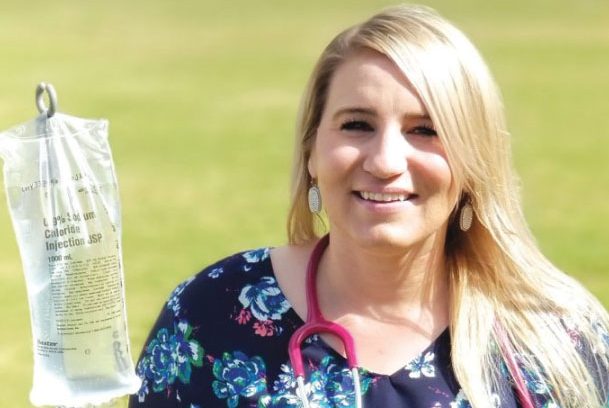
Kara De La Pena, APRN-CNP - De La Pena is a Family Nurse Practitioner licensed by the American Association of Nurse Practitioners.

by Darl Devault

A nurse practitioner with an entrepreneurial spirit recently started a mobile urgent care practice for homebound patients, on-the-go parents and families. Based in Edmond, with scheduling available online, by text or phone, this groundbreaking advanced practice registered nurse delivers convenient, urgent care to her patient’s home.
Research shows that as a member of the American Association of Nurse Practitioners, Kara De La Pena is the only individual advanced nurse providing this service, NP 2 Go, in the Metro area. Her certifications in advanced cardiac life support, basic life support, and pediatric advanced life support allow her to claim first-in-market status.
Several corporate entities are dispatching caregivers at this level to people’s homes. Those companies are not matching the direct-fee, comprehensive impact De La Pena delivers to her patients.
“NP 2 Go’s mobile urgent care or house call service was born from seeing so many patients who could benefit from a more convenient option to get healthcare,” De La Pena, APRN-CNP, said.
The nursing profession is in high demand in Oklahoma. She also serves as a registered nurse at OU Medical Center Edmond part time in perioperative services, as she launches her new community-wide service.
De La Pena provides in-home urgent care visits, migraine treatment, primary care (for homebound patients), weight loss consults, IV vitamins/hydration, and sports physicals. She also helps patients needing advanced directive planning counseling. To answer those questions she says she draws on her experience as an ICU nurse being with many patients during their end-of-life period.
She says several patient populations need intravenous fluids, but have no other options than going to an emergency room. She serves that need in patient’s homes. She stresses how her practice assists other practices and medical offices to help keep their patients out of ERs.
When the flu, food poisoning, or a stomach bug causes some mild dehydration a patient fills out a health history and assessment. She calls the patient if there are any questions. If an emergency room visit is indicated, she sends them on, instead of seeing them. If the ER is not indicated, she provides the hydration in their homes.
De La Pena says many migraine sufferers can have an acute or chronic migraine that can last for several days and be debilitating. She can give the same medications an ER provides, after assessing their condition. Another ER trip avoided.
De La Pena was born and raised in Enid, Okla. She earned her associate’s degree in nursing from Oklahoma City Community College in 2012, and her bachelors of science in nursing from Northwestern Oklahoma State University in 2014.
In 2019, she earned a master’s degree in nursing while graduating as a family nurse practitioner from Maryville University in St. Louis. The school, founded 150 years ago, provides a technology-driven, mentor-inspired education.
Along the way she has been a certified nurse’s aide and licensed practical nurse before becoming a registered nurse. She says her mother prompted much of this by being a mentor and role model.
“My mother is the best nurse that I have ever met, often teaching me things that are not in books. She taught me about the comfort provided by simply flipping over a pillow, or the skill of practicing compassion towards people with unknown struggles,” De La Pena said. Her mother, Karla Brock, an RN since 1991, has worked at St. Mary’s Hospital in Enid for 28 years.
De La Pena has a combined 15 years of experience helping patients throughout her years of basic patient care, nurse tech, CNA, LPN, RN, and now APRN-CNP status.
Her early caretaking skills were honed taking care of her great-grandmother who suffered a stroke when De La Pena was a teenager. She attended to her daily needs, as well as drove her to appointments.
Nurse practitioners in Oklahoma need only a supervising physician to oversee their prescriptive authority. They are prohibited from prescribing Scheduled 2 medications (Hydrocodone, Adderall, etc.).
Oklahoma Nurse practitioners are continuing to pursue legislation that allows for full practice of their license without a supervising physician. These nurses pushed legislation in 2018 seeking full practice authority. Their position then was that 22 states, most with better health outcomes than Oklahoma, allow this status.
De La Pena and her supervising physician have agreed on specific medication protocols for her new outpatient emphasis at NP 2 Go. They went over her business plan extensively before she started her private business ventures.
The company is private-pay only. When patients invite NP 2 Go to come to their homes, they get one bill. The NP 2 Go Website and Facebook cite the costs for the services provided.
De La Pena believes that patients deserve to have transparent billing and to know the costs of services before booking their appointments. NP 2 Go works with local companies to provide the most cost-effective labs, medications, or radiology. She says this provides a thorough solution to the patient’s needs.
De La Pena, 33, has lived in Edmond for more than 11 years, marrying Jason in June of 2014. They now have two daughters 8 and 4 years old. The family attends Victory Church in Warr Acres and enjoys boating at Lake Arcadia often. As soon as her new venture gives her more time, she plans to be more active in local government and volunteer in the community.
Visit www.thenp2go.com or call 405.696.7003.

www.meadowlakesretirementvillage.com


COMMUNITY: Village People

0
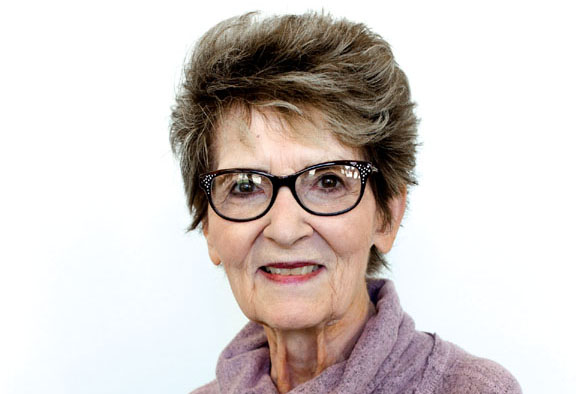
Marilyn Olson, is the executive director of VillagesOKC, a unique group of people helping one another age comfortably in their own home.

by Bobby Anderson, Staff Writer

Far too many people are living with a pulse but not a purpose.
It’s something that drives Marilyn Olson and the idea behind VillagesOKC.org.
“What we do is connect people who want to be active and live with a purpose,” the executive director of VillagesOKC.org said.
Olson’s background is extensive, helping open 10 retirement communities in multiple states.
“Each of use in VillagesOKC.org has learned a few things in the decades of our life and together we share what we’ve learned,” she said. “One day I said to my husband ‘it would be a real shame to wake up dead one morning and not having shared some of these things.”
A PLAN, NOT A PLACE
“What we’re learning is 100 is the new reality. More and more people are living until 100,” Olson explained. “And most people are only planning til 80 so what are you going to do with those other 20 years that God gives you?”
“Our plan is to live long and die short, not live and then slowly die. And you can have some control over that.”
Mounting research is showing that you can improve your risk of Alzheimer’s by up to 60 percent by simply making lifestyle changes.
“The problem is doing that is very difficult,” Olson said. “Villages gather people together and says ‘Let’s do this together.’”
“It’s peer pressure with love.”
That’s where Villages come in.
First of all, this Village is not an actual village. It is not a real estate development or a retirement community. It is a group of like-minded people in a geographic area who come together and develop the resources they will need to age comfortably in their own homes.
Villages bring services to people rather than moving people to services – neighbors helping neighbors create networks of support and reduced-cost professional services.
WHAT IS THE VILLAGE MOVEMENT?
Across the nation the village movement is an innovative grassroots organization which has emerged in the last decade providing support services for community-dwelling older adults.
The village movement is one of the most viable options to let our society cope with the upcoming “Revolution Aging.”
The revolution is due to the unprecedented number of seniors in America over 55. This number is growing by 10,000 per day. This number is many times greater than the number of available retirement communities or assisted living communities available or even planned. Thus has developed another option – aging in place in one’s own home.
Beacon Hill, the first village, came to birth in Boston, Massachusetts. Others have cropped up all over the nation.
Now it’s Oklahoma City’s turn.
“There are villages all over the nation,” Olson said. “It just depends on what the people want. This is not my idea. I just agreed to initiate it because that’s what I’m supposed to do. This is my calling right now.
“The end result is really up the people and what God orchestrates.”
Locally, the group celebrated its one year “Village-versary” and launch of VillagesOKC.org Pickleball as a new way for Village members to stay active and participate in one of the fastest-growing sports in the U.S.
Being active and productive is a way of life.
That’s why Olson helped with the recent Christian Women of Oklahoma City Bazaar. Her involvement began last year.
“Powerful testimonies of God’s goodness, encouragement and new friends,” Olson said of her first experience.
Seventy-seven years ago, a group of Oklahoma City Christian women gathered in a home for a few hours of fellowship.
Little did they know that first coffee klatch would spark lifelong friendships for several generations of Christian women in Oklahoma City and change the lives of countless others.
Those meetings are still going on, although the increased numbers have moved the meetings outside of members’ homes and into the Quail Creek Country Club.
And the centerpiece has become a bazaar that raises thousands of dollars for needy Oklahoma charities.
This October event was one of the group’s best ever.

www.arborhouseliving.com

HEALTH: Understanding Diabetes

0

by Dr. C.V Ramana

Understanding diabetes and the long-term problems associated with uncontrolled blood sugar is the first step in preventing more serious complications of the disease.
Diabetes is a disease that involves problems with the hormone insulin. To understand why insulin is important, it is useful to know how the body uses food for energy. The body is made up of millions of cells and these cells need food in a simple form to function appropriately. Much of what we eat and drink is broken down into a simple sugar called glucose. Glucose is food for the cells. The pancreas releases insulin to help your body use and store the glucose (sugar) and fat from consumed food. Insulin regulates the amount of glucose that is in the blood stream by conducting the transfer of glucose from the blood stream to the muscle and fat tissues to use be used for fuel or to the liver for storage. Diabetes can occur when 1) The pancreas does not produce any insulin. 2) The pancreas produces very little insulin or 3) the body does not respond to insulin also called insulin resistance. The most common form of diabetes is type II. Ninety-five percent of diabetics are classified as type II. This form of diabetes occurs when cells are resistant to insulin. The pancreas releases more and more insulin, but eventually it gives out.
Too much glucose (sugar) in the blood stream for long periods of time has serious health consequences. Some of the long-term affects of diabetes are increased risk for heart disease or heart attack, increased risk for stroke, plaque build-up in the arteries, kidney damage, nerve damage, changes in vision, skin problems and wounds that won’t heal. These negative long-term effects can be prevented by proper management of blood sugar. Damage to the arteries can lead to vascular disease. Some of the symptoms and side effects of vascular disease include pain in the legs or calves when walking, numbness or tingling in the feet, cold feet, and discoloration or sores that will not heal. There are a number of treatment options available for those affected by vascular disease.
The most important blood test for diabetes is called the A1c. Your doctor may call it glycosylated hemoglobin. It is a simple blood test that gives the average of blood sugar level over the past three months. The value is determined as a percentage ranging from 4%-15%. A normal value is around 4%. The American Diabetes Association (ADA) recommends an aggressive approach to the prevention of diabetes and the current guidelines call for an oral diabetic medication such as Metformin with an A1c of 5.8% or greater. A value of 7% or higher can require tighter control with the use of injectable insulin. Studies by the ADA report prevention of complications related to diabetes when the A1c value is under 7%. A person with normal blood sugar levels should have their A1c tested every 6 months and those already diagnosed with diabetes should have their A1c tested every 3 months. Decreasing the A1c value as little as one percent may decrease the risk of irreversible effects of nerve damage, kidney damage and changes to vision.
The early signs of high blood sugar are increased thirst, headaches, trouble concentrating, blurred vision, frequent urination, fatigue and weight loss. Often the signs and symptoms of high blood sugar are discrete and go unnoticed. If you are not currently under the care of a primary provider, then establish one and ask to be screened for diabetes. If you are currently diagnosed as a diabetic, consistency is key to long-term prevention. Have your A1c level checked every three months and work closely with your primary care provider to establish a care plan and a medication regimen that works for you.
If you feel that you may be at risk for diabetes, any of its complications, vascular disease, or have some of the symptoms, you should consult your primary healthcare professional to screen for it, and to discuss treatment options.
You are also welcome to call our Vascular Center to schedule a prompt and free consultation. You can contact us at 405-608-8884. We are a specialized center staffed with highly experienced professionals, including a Vascular/Interventional physician, dedicated to treating vascular disease on an outpatient basis using the latest proven technology to combat this epidemic.
Dr. C.V Ramana is a vascular and interventional radiologist with more than 20 years of practice experience. He has expertise in all areas of vascular and interventional radiology. Dr. Ramana has a Ph.D from Yale University and MD from CWRU in Cleveland, Ohio where he subsequently completed his fellowship in Vascular and Interventional Radiology at the Cleveland Clinic.
Visit Naadi Health at 1 NW 64th Street in Oklahoma City or call (405)-608-8884. www.naadihealthcare.com

www.naadihealthcare.com


Social

0FansLike
0FollowersFollow
0SubscribersSubscribe