Wednesday, December 31, 2025

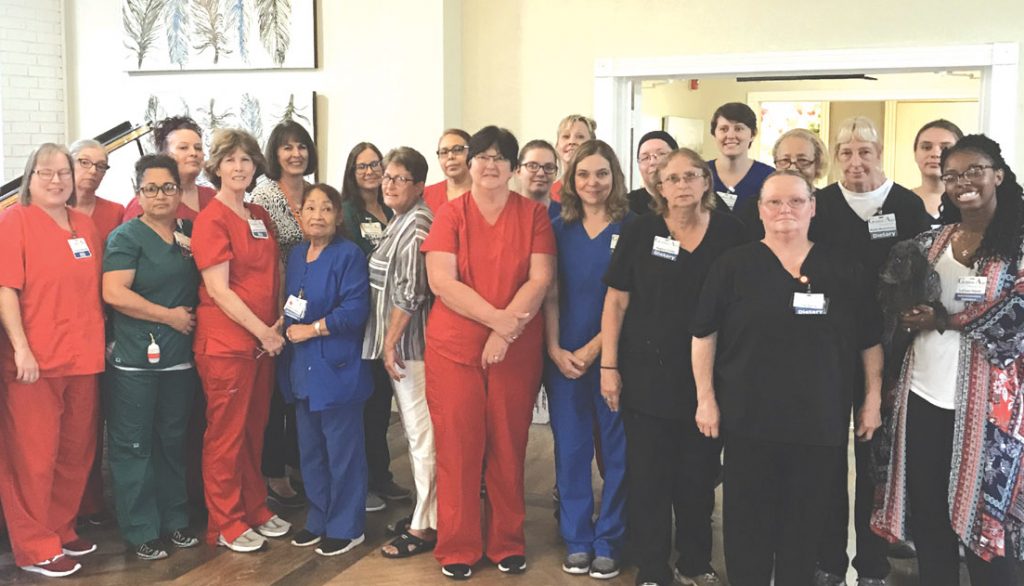
SENIOR TALK: What are you looking forward to this Fall? Tealridge Retirement Community

0

A change of weather and watching the grounds how they change. Jan Welch

It’s in March – but, we’ll be celebrating our 50th wedding anniversary. I think we’re going to make it. Nancy Markum

Ballgames with OU – football and then basketball season. Todd Markum

The only project I have going is feeding the ducks. Frank Kalies

When it comes to selfies, I’m no Elizabeth Warren

0
Greg Schwem is a corporate stand-up comedian and author.

by Greg Schwem

Elizabeth Warren, exactly what do you eat for breakfast?
There must be something in your cereal, your eggs, your breakfast smoothie, or whatever it is you start your day with, that allows you to take selfies with strangers for four hours AFTER you’ve completed the stump speech that you hope propels you to the nation’s highest office in 2020.
If I posed for that many photos, my first act as president would be to lock myself in the White House, alone, and not come out for four years. Want my signature on a bill? Just slip it under the Oval Office door and wait patiently. Eventually, I’ll push it back out. Along with an executive order banning selfies.
In your case, calling the photos “selfies” is misleading, for it implies that every one of your fans held their own phones, extended their arms, took the pictures themselves, viewed them with disappointing looks and said, “Wait, can we do one more? In landscape mode?”
Your loyal subjects hand their phones to a staff member who takes the photos. Other celebrities use similar methods. Two years ago, I was one of 1,500 fans who waited in a Chicago bookstore for over three hours simply to meet and take a photo with Bruce Springsteen. A member of The Boss’ security team took my iPhone and held the photo button down continuously for about five seconds. I was left with 10 pics, including one of Springsteen welcoming his next fan while my rear end exited the stage. I deleted that one.
Truthfully, I’ve never understood the desire to take, and post, photos of oneself, regardless of the background or situation. Several times a year I open my social media feeds to find someone has snapped a “hospital bed selfie,” taken just before the subject sees an emergency room physician or undergoes an operation. Invariably, the photos are accompanied with text such as, “Guess where I am?” as if the hospital gown wasn’t a clue. Seriously, what kind of medication makes a person think, “Hmmm, I have a tube in my nose, a needle in my arm and all my body hair has been shaved. DAMN, I LOOK GOOD!”
But the chance to rub shoulders with celebrities and come away with proof is a different story. My Bruce pic is on my office wall and elicits cries of, “Whoa, you met Springsteen?” from most who see it. Mere seconds after taking the photo, I posted it to all my social media feeds and happily read the comments expressing awe and jealousy. I’m sure 1,499 others were doing the same thing that day.
So, Sen. Warren, I understand your strategy. The more pics of you floating around cyberspace with everyday Americans, the greater your likability. I doubt President Trump even knows what a selfie is. Then again, it’s impossible to snap a photo while simultaneously tweeting and golfing.
But senator, are you sure this is the right strategy? With all those people waiting in line, chances are excellent at least one of them is a pedophile, a Ponzi scheme creator or a future school shooter. In 1978, after serial murder John Wayne Gacy was arrested, a photo emerged of him posing with First Lady Rosalynn Carter, taken just seven months prior. Oops.
Of course, you can’t possibly know the backgrounds of everyone waiting to smile with you, but would that stop vicious memes from circulating? Would it stop the hosts at Fox News from plastering that photo onscreen every time they mention your name? Doubtful.
I have yet to decide who among the Democratic candidates will receive my vote. But Sen. Warren, I do admire your grass-roots approach, not to mention your stamina. If you win, thousands upon thousands of Americans will be able to say they met the president of the United States.
Let’s hope they all know how to back up their iPhones.
(Greg Schwem is a corporate stand-up comedian and author of two books: “Text Me If You’re Breathing: Observations, Frustrations and Life Lessons From a Low-Tech Dad” and the recently released “The Road To Success Goes Through the Salad Bar: A Pile of BS From a Corporate Comedian,” available at Amazon.com. Visit Greg on the web at www.gregschwem.com.) (c) 2019 GREG SCHWEM. DISTRIBUTED BY TRIBUNE CONTENT AGENCY, LLC

ZOO SALUTES: NOVEMBER IS MILITARY APPRECIATION MONTH AT THE OKC ZOO

0

Free Zoo admission offered to active duty, veteran members of the military all month

November is Military Appreciation Month at the Oklahoma City Zoo and Botanical Garden, and as a thank you for their service, the Zoo is honoring active duty, retired and veteran members of the military, National Guard and Reserves with free general admission for the entire month. Plus, up to four immediate family members of qualifying individuals will receive 50% off of general Zoo admission on date of visit. Military members must show valid military ID to receive complimentary admission.
“Our servicemen and women put their lives on the line for us and it’s an honor to recognize their sacrifice and welcome them to the Zoo,” said Dwight Lawson, OKC Zoo CEO/executive director. “We want to offer those who have been away from their families for months at a time a great experience and a chance to rediscover their connection to nature and their connections to one another.”
Military members will also enjoy 40% off concessions and merchandise at the Zoo’s Safari Gift Shop and get $10 off all available Wild Encounter behind-the-scenes experiences. Plus, they can save on the Zoo’s premiere ticket options:
· Zoo-It-All (access to rides, experiences, feedings and shows): $16/adult, child and senior (Mon.-Sun.)
· Ride-It-All (access to train, carousel and tram): $10/adult, child and senior (Fri.-Sun.)
Also during November, Zoo guests can show their wildlife pride with an exclusive red, white and blue bison conservation wristband. The bison is America’s National Mammal and a guest favorite at the Zoo’s Oklahoma Trails habitat. The limited-edition design is exclusively available during Military Appreciation Month. The conservation wristband is $2 with 100% of proceeds supporting the Zoo’s Round Up for Conservation program.
The Zoo is proud to support military members the rest of the year with a 50% discount on general admission to all veterans, active duty, active reserves and retirees of the military (with valid military ID). This discount does not apply to children or dependents of veterans, active duty, active reserves or retirees of the military.
The Zoo salutes service with Military Appreciation Month this November! Located at the crossroads of I-44 and I-35, the Oklahoma City Zoo is a proud member of the Association of Zoos and Aquariums, the American Alliance of Museums, Oklahoma City’s Adventure District and an Adventure Road partner. Hours of operation are 9 a.m. to 5 p.m. daily. Regular admission is $11 for adults and $8 for children ages 3-11 and seniors ages 65 and over. Children two and under are admitted free. Stay up-to-date with the Zoo on Facebook, Twitter, Instagram and YouTube by visiting Our Stories. Zoo fans can support the OKC Zoo by becoming Oklahoma Zoological Society members at ZOOfriends.org or in-person at the Zoo! To learn more about these and other happenings, call (405) 424-3344 or visit okczoo.org.

How to Choose a Walk-in Bathtub

0

Dear Savvy Senior, Because of my mobility problems, I’m thinking about getting a walk-in bathtub that’s easy to get into and out of but could use some help selecting one. What can you tell me about walk-in tubs, and can you recommend some good companies that make and install them?  Bubble Bath Betty

Dear Betty,
Walk-in tubs are a good option for mobility challenged seniors because they’re much easier to get into and out of than a standard tub, and will help prevent slips, trips and falls too. Here’s what you should know. The Basics
Walk-in bathtubs are uniquely designed tubs that have a watertight, hinged door built into the side of the tub that provides a much lower threshold to step over (usually 2.5 to 7 inches) versus a standard tub that’s around 15 inches.
In addition to the low threshold, most walk-in tubs also have a built-in seat, grab bars, anti-slip floors, anti-scald valves and a handheld showerhead. And many higher-end models offer therapeutic spa-like features that are great for seniors with arthritis and other ailments.
The kind of tub you choose will depend on your needs, preferences and budget, and the size and layout of your bathroom. The cost of a walk-in tub today with professional installation ranges anywhere from $3,000 to $10,000. Here are some other things you’ll need to consider, to help you make a good choice.
Tub size: Walk-in bathtubs vary in size. Most models have high walls between three and four feet high, and are between 28 and 32 inches wide, but will fit into the same 60-inch long space as your standard tub without having to reconfigure the room. There are also bariatric walk-in tubs that have wider door openings and larger seats to accommodate people over 300 pounds.
Wheelchair-accessible: Most walk-in tubs have an inward opening door, but if you use a wheelchair, an outward opening door may be a better option because they’re easier to access.
Tub options: The most basic and least expensive type of walk-in tub you can get is a simple soaker tub. But depending on your preferences, you have many other options like an aerotherapy (air jets) tub, hydrotherapy (whirlpool water jets) tub, aromatherapy tub that mixes fragrant essential oils with the water, or a combination tub that has multiple features. Also, look for tubs that have an in-line heating system to keep your bathwater warm while you soak.
Fast fill and drain: One drawback to using a walk-in bathtub is that the bather must sit in the tub as it fills and drains, which can make for a chilly experience. To help with this, consider a tub that has fast-filling faucets and pump-assisted drainage systems, which significantly speed up the process. But these options may require some plumbing modifications to your bathroom.
Easy cleaning: Keeping the tub clean should be a priority, especially if you get a therapy tub because of the bacteria that can grow in it. So, look for tubs with self-cleaning systems.
Warranty: The best walk-in bathtubs on the market today are made in the USA. Also make sure the company you choose has a lifetime “leak-proof” door seal warranty and lengthy warranties on both the tub and the operating system.
Where to shop: While there are many companies that make, sell and install walk-in bathtubs, some of the best in the industry are American Standard (AmericanStandard-us.com), Safe Step (SafeStepTub.com) and Kohler (KohlerWalkinBath.com). Most companies offer financing with monthly payment plans.
Unfortunately, original Medicare does not cover walk-in bathtubs nor do Medicare supplemental (Medigap) policies, but some Medicare Advantage plans may help pay. There are also many states that offer Medicaid waivers that will help pay for the purchase and installation of a walk-in tub to those that qualify, and the VA offers some programs that provide financial aid too.
To get started, contact a few companies who will send a local dealer to your home to assess your bathroom and give you product options and estimates for free.
Send your senior questions to: Savvy Senior, P.O. Box 5443, Norman, OK 73070, or visit SavvySenior.org. Jim Miller is a contributor to the NBC Today show and author of “The Savvy Senior” book.

NOV/DEC AARP Drivers Safety

0

Date/ Day/ Location/ Time/ Registration #/ Instructor

Nov 2/ Saturday/ Newcastle/ 8:30 am – 3 pm/ 392-4466/ Palinsky
1st Baptist Church Newcastle – 1650 N. Main
Nov 7/ Thursday/ Okla. City/ 9 am – 3:30 pm/ 951-2277/ Varacchi
Integris 3rd Age Center – 5100 N. Brookline Ave., Suite 100
Nov 8/ Friday/ Okla. City/ 9 am – 3:30 pm/ 951-2277/ Palinsky
S.W. Medical Center – 4200 S. Douglas Ave., Suite B-10
Nov 9/ Saturday/ Midwest City/ 9 am – 3 pm/ 473-8239/ Williams
First Christian Church – 11950 E. Reno Ave.
Nov 14/ Thursday/ Norman/ 9 am – 3:30 pm/ 307-3177/ Palinsky
Norman Regional Hospital – 901 N. Porter Ave.
Dec 5/ Thursday/ Okla. City/ 9 am – 3:30 pm/ 951-2277/ Varacchi
Integris 3rd Age Center – 5100 N. Brookline Ave., Suite 100
Dec 12/ Thurs/ Midwest City/ 9 am – 3:30 pm/ 473-8239/ Williams
Midwest City Senior Center – 8251 E. Reno
Dec 13/ Friday/ Okla. City/ 9 am – 3:30 pm/ 951-2277/ Palinsky
S.W. Medical Center – 4200 S. Douglas Ave., Suite B-10

The prices for the classes are: $15 for AARP members and $20 for Non-AARP. Call John Palinsky, zone coordinator for the Oklahoma City area at 405-691-4091 or send mail to: johnpalinsky@sbcglobal.net

Active Surveillance Allows Low-Risk Prostate Cancer Patients to Avoid Side Effects

0

The adage “trust but verify” is an appropriate description of active surveillance for low-risk prostate cancer.
Many men who are diagnosed with low-risk prostate cancer opt for active surveillance – closely monitoring the cancer over time in order to avoid treatments whose side effects negatively affect their quality of life. About one-third of prostate cancer patients at Stephenson Cancer Center at OU Medicine are on active surveillance, said urologic cancer surgeon Michael S. Cookson, M.D.
“Prostate cancer can certainly be lethal, but more men are diagnosed and live with prostate cancer than will die of it,” said Cookson, who is also chairman of the Department of Urology at the OU College of Medicine. “For those cancers that are slow-growing, we monitor them. If we find something potentially aggressive, then we begin treatments.”
Prostate cancer falls into three risk categories – low, intermediate and high. Patients diagnosed with intermediate- and high-risk cancers usually undergo treatment, but because of the location of the prostate, their urinary control and sexual function may be negatively affected.
Patients with low-risk prostate cancer can avoid those side effects through active surveillance. Low-risk patients typically have the lowest Gleason score – 6 — which indicates the cancer is unlikely to grow. Their prostate-specific antigen (PSA) test scores are usually less than 10, and the cancer typically can’t be felt during an exam. Genetic testing can further confirm their level of risk.
Active surveillance involves patients returning to the clinic regularly for PSA and symptom checks. Around six to 12 months, they return for an MRI and a confirmatory biopsy. If nothing has changed with their cancer, patients can return less frequently for the biopsy while still having regular PSA and symptom checks.
“With low-risk prostate cancer, changes occur over years, if not decades. It’s slow-growing; that’s why it can be safely observed,” Cookson said. “We believe men who have tumors that are not threatening deserve to enjoy the fullest life that they can.”
Active surveillance also involves guiding men to make the healthy decisions that will increase their odds of maintaining good quality of life. Studies of low-risk prostate cancer patients have shown that their No. 1 health threat is heart disease, Cookson said. Urologists encourage their patients to maintain a healthy weight, exercise, monitor their cholesterol, get colonoscopies and have heart exams.
“Many men come to us with a prostate cancer concern, and that visit becomes an entry point to healthcare for them,” Cookson said. “We become their trusted confidant in helping them to navigate the healthcare system and advocating for their entire health.”

Get Ready for Electric Scooters: Who is Responsible?

0

By Oklahoma Insurance Commissioner Glen Mulready

Fall is finally here in Oklahoma. Between the golden leaves and cool crisp air, you will begin to see electric scooters flooding the city streets. These rental scooters can be found along the curb in hundreds of U.S. cities including Oklahoma City, Tulsa, Norman, and Stillwater. Before you download the app and hop on, there are a few things you should know to protect yourself.
According to Consumer Reporters, eight people in the U.S. have died while using a rent-by-the-minute dockless electric scooter since the fall of 2017. One of those deaths was a 5-year-old boy who was riding with his mother in Tulsa in April. Along with numerous injuries, these deaths highlight the potential dangers of the scooters. Understanding the insurance implications related to electric scooters will help you make responsible decisions. Your health insurance could help defray the cost of medical bills in case of an accident. But what if you are riding a scooter and you hit a pedestrian, damage someone’s property or cause a car accident? You might think your auto insurance would kick in; however, most car insurance doesn’t generally cover vehicles with less than four wheels. Homeowner’s or renter’s insurance may cover an accident that occurs on a traditional bicycle, but it does not cover motorized bike or scooter trips.
The two largest scooter companies in the United States generally place the responsibility for accidents on riders by listing in their rental agreements that riders relieve the companies of liability. You must agree to those terms before you can ride. And despite the scooter companies’ liability insurance, responsibility for damages is likely to fall on your shoulders because of the terms and conditions agreed upon when you downloaded the app.
What can you do to protect yourself? Call your insurance agent. You may be able to add an umbrella policy to your homeowner’s or renter’s insurance policy. An umbrella policy can cover more scenarios and include higher limits for coverage than a typical policy.
There are a few other ways to protect yourself on an e-scooter.
Wear a helmet: While it is not required by law in Oklahoma to wear a helmet while riding a scooter or a bicycle, it is highly recommended.
* Operate the scooter in right-hand lanes and bike lanes where possible: Your agreement with your scooter rental company will tell you to use streets and bike lanes. Riding motorized scooters on sidewalks is illegal in most cities, and you can be cited for doing so. Know where you can ride before you hop on. * Keep your eyes on the road: You may be tempted to share photos or videos of your new adventure on social media while operating. Always pay attention to the road. * Inspect the scooter before you ride: Check to make sure the brakes are working properly before taking off.
I’m encouraging everyone who plans to ride an electric scooter, to get ready. Know your coverage. Anticipate what could happen, and know what your insurance will and won’t cover. And most importantly, be careful.

You can also watch my recent ride on an e-scooter on the Oklahoma Insurance Department’s YouTube channel.

If you have questions about other insurance issues, contact the Oklahoma Insurance Department at 1-800-522-0071 or visit our website at www.oid.ok.gov.

Social Security Announces 1.6 Percent Benefit Increase for 2020

0

Social Security and Supplemental Security Income (SSI) benefits for nearly 69 million Americans will increase 1.6 percent in 2020, the Social Security Administration announced today.
The 1.6 percent cost-of-living adjustment (COLA) will begin with benefits payable to more than 63 million Social Security beneficiaries in January 2020. Increased payments to more than 8 million SSI beneficiaries will begin on December 31, 2019. (Note: some people receive both Social Security and SSI benefits). The Social Security Act ties the annual COLA to the increase in the Consumer Price Index as determined by the Department of Labor’s Bureau of Labor Statistics.
Some other adjustments that take effect in January of each year are based on the increase in average wages. Based on that increase, the maximum amount of earnings subject to the Social Security tax (taxable maximum) will increase to $137,700 from $132,900.
Social Security and SSI beneficiaries are normally notified by mail in early December about their new benefit amount. Most people who receive Social Security payments will be able to view their COLA notice online through their my Social Security account. People may create or access their my Social Security account online at www.socialsecurity.gov/myaccount.
Information about Medicare changes for 2020, when announced, will be available at www.medicare.gov. For Social Security beneficiaries receiving Medicare, Social Security will not be able to compute their new benefit amount until after the Medicare premium amounts for 2020 are announced. Final 2020 benefit amounts will be communicated to beneficiaries in December through the mailed COLA notice and my Social Security’s Message Center.
The Social Security Act provides for how the COLA is calculated. To read more, please visit www.socialsecurity.gov/cola.

“THE SOCIAL MEDIA BRAIN” FEATURED TOPIC OF NEURO NIGHT FORUM

0

“The Social Media Brain” is the topic for November’s Neuro Night forum, scheduled at 6 p.m., Tuesday, Nov. 19.
This months’ forum will include a panel of three invited speakers, including:
· Bill Lovallo, Ph.D., professor, VA Medical Center
· Dave Sherry, Ph.D., associate professor, OU College of Medicine
· Alex Yeganeh., graduate student, Oklahoma Center for Neuroscience
The panelists will discuss how social media in its various evolving forms can affect the brain and nervous system and how applications based in social media may enhance brain function. Spectators will have the opportunity to ask questions.
The forum is part of the Neuro Night series sponsored by the Oklahoma Center for Neuroscience, a consortium of neuroscientists from across the state that serves as a research center and information resource at the University of Oklahoma Health Sciences Center. The series is aimed at improving neurological health through education and the sharing of information about research and access to care.
A light dinner will be served at no cost to participants beginning at 5:30 p.m. The event will be held at 1404 N.W. 122nd St., Oklahoma City. It is held in collaboration with The Fountains at Canterbury.
For more information or to arrange accommodations, call (405) 271-6267 or visit the center’s website at www.oumedicine.com/ocns.

OU MEDICINE ENTERPRISE QUALITY OFFICER HONORED BY GOOD SHEPHERD

0
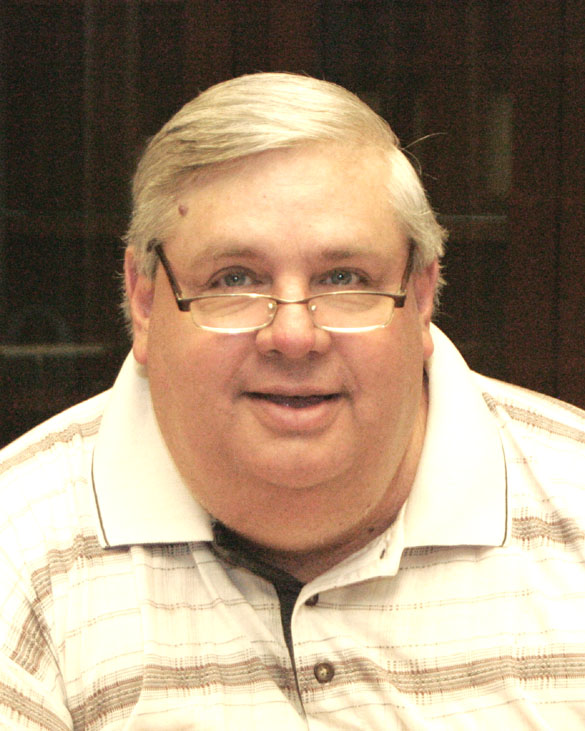
Dale Bratzler, D.O., MPH, OU Medicine enterprise quality officer and clinic volunteer.

Good Shepherd Clinic recently presented its Hope Award to Dale Bratzler, D.O., MPH, OU Medicine enterprise quality officer, in recognition of his work as a clinic volunteer. To honor his legacy, the Hope Award will become an annual event in Bratzler’s name, with proceeds placed in the Dale Bratzler, DO, MPH Endowment Fund.
The Good Shepherd Clinic in Oklahoma City is a free, full-time clinic serving uninsured residents of the community. The clinic offers medical and dental services, provided by healthcare professionals who donate their time and skills to ensure that financial concerns do not become barriers to receiving care in a timely manner.
Bratzler began volunteering at Good Shepherd in 2015, believing that healthcare should be available to all members of the community, beyond the emergency room and regardless of ability to pay. As a result of Bratzler’s persistence, the Unity Clinic will launch early in 2020. This initiative will use campus-wide, interprofessional teams of healthcare providers, faculty and students from the University of Oklahoma Health Sciences Center, to provide patient care in partnership with Good Shepherd.
Pam Timmons, executive director of Good Shepherd, described volunteers as the heartbeat of fulfilling the clinic’s mission. She commended Bratzler’s charitable efforts, his contributions that have enriched a community desperate for quality healthcare, as well as his leadership and commitment to inspiring and educating the next generation of healthcare professionals.
“We can’t begin to say how grateful we are for all of the selfless acts of kindness Dr. Bratzler has provided through the years. His commitment just continues to grow,” Timmons said.
The endowment in Bratzler’s name will help the clinic thrive and become more financially sustainable. Endowment funds will be matched at five cents ($0.05) for each dollar processed, by Communities Foundation of Oklahoma – up to a maximum of $50,000 in any given year. This designated fund will generate annual income in perpetuity from the earned investment income to help secure the future of Good Shepherd.
Timmons said, “Dr. Bratzler’s legacy of providing high quality health care for the underserved will continue by his encouragement and empowerment of the next generation of health professionals.”

Social

0FansLike
0FollowersFollow
0SubscribersSubscribe