

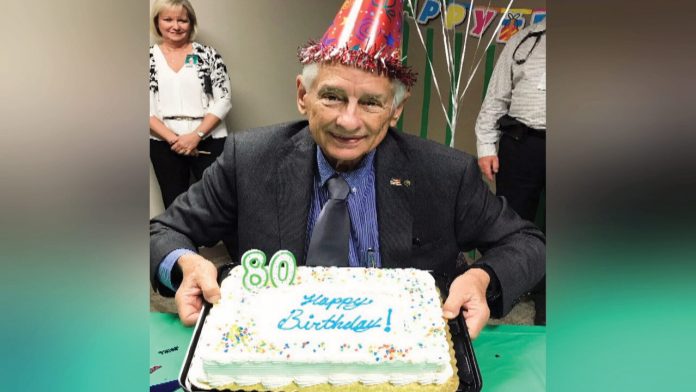
Kenneth Wyatt just celebrated his 80th birthday on June 4. What makes this milestone even more special is knowing he underwent a lung transplant on
Jan. 10, 2019, at the age of 79.
The staff at INTEGRIS Baptist Medical Center held a surprise party for Wyatt and hope to have more of these celebrations in the future.
“People should not see age as a deterrent to seeking an organ transplant,” says Mark Rolfe, M.D., co-medical director of lung transplantation and advanced pulmonary disease management at the INTEGRIS Nazih Zuhdi Transplant Institute in Oklahoma City. “We look at physiologic age, not chronologic age. The old way of thinking was you can only transplant people 65 and younger, but there’s a lot of 75-year-olds who are otherwise healthy and still young at heart.”
About a year and a half ago, Wyatt suddenly started to experience shortness of breath. “It came on really quickly,” remembers Wyatt. “I just couldn’t get enough air. I felt claustrophobic, like I constantly needed more oxygen.”
He was diagnosed at another facility with idiopathic pulmonary fibrosis and was told his condition was terminal and he was simply too old for a transplant. Thankfully, Wyatt persisted and found another physician who immediately referred him to the INTEGRIS Nazih Zuhdi Transplant Institute.
“I was anxious to meet Mr. Wyatt,” says Alan Betensley, M.D., co-medical director of lung transplantation and advanced pulmonary disease management at INTEGRIS Nazih Zuhdi Transplant Institute. “We ran some tests and concluded he was healthy despite his pulmonary fibrosis, so we felt he would be an ideal candidate for transplant, regardless of his age.”
Wyatt was placed on the lung transplant list Nov. 15, 2018. “I hear some people wait years for a transplant, so I was surprised to get ‘the call’ less than two months later,” admits Wyatt. “I woke up in the Intensive Care Unit and everyone told me I did great. I was out of the hospital within a week.”
“Kenneth did remarkably well through the entire process. His oxygen level is back up to 98 percent and he is currently undergoing rehabilitation to regain his strength and endurance,” Betensley says. “I have no doubt he will make a full recovery. He is proof positive that age is relative.”
Wyatt says the experience has given him a new outlook on life and a brand-new purpose for living. “The way I figure it, is God gave me this condition for a reason. And maybe that reason is to help raise the age limit for transplant consideration. INTEGRIS took a chance on me when most other institutions wouldn’t, and I will be forever grateful for that.”
“I could still have 20 years ahead of me,” Wyatt predicts. “My mom is still living at 104 and my grand-dad lived to be 101 … so there’s a lot of life left in me.”

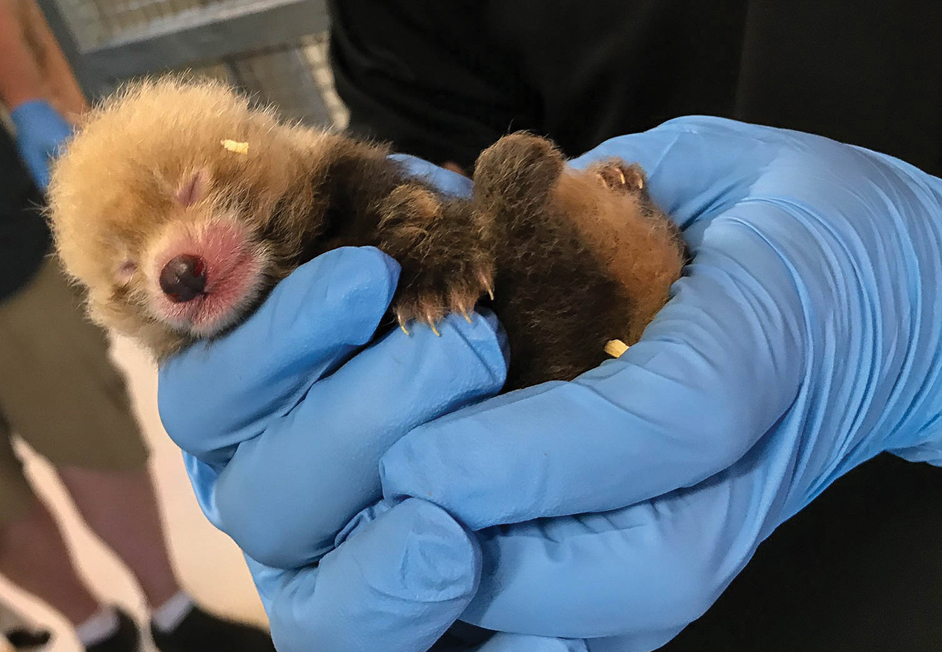
Online voting contest to help choose names of the male and female red panda cubs
The Oklahoma City Zoo and Botanical Garden is pleased to announce the arrival of two healthy red panda cubs, one male and one female. The cubs were born late in the evening on Sunday, June 2, at the Zoo’s red panda habitat in Sanctuary Asia to mom, Leela, 5, and father, Thomas, 6. Caretakers report that first-time mother Leela is demonstrating appropriate maternal behaviors such as a grooming and nursing her offspring and all are in good health. At birth, the male weighed 119 grams and the female 124 grams (less than a third of a pound). By June 18, both cubs had more than doubled their birth weights to 252 grams (male) and 257 grams (female).
“We are so excited to welcome these adorable red panda cubs to the Zoo’s animal family and are beyond thrilled that Leela is such a nurturing mother,” said Tyler Boyd, OKC Zoo Curator of Carnivores and Hoofstock. “While we don’t yet know when the cubs will be on public view, mom and her offspring are doing well and bonding behind-the-scenes at their habitat.”
Online Naming Contest
The carnivore caretaker team at the Zoo compiled name options for the cubs that are representative of their natural habitat in central Asia. For the male cub, the name options are: Ravi (Nepalese for sun), Tau (Nepalese for handsome) and Jetsun (Buddhist reverend from Tibet). For the female cub, the name options are: Nima (Nepalese for small), Mohu (Nepalese for cloudy) and Khyana (Nepalese for light). An online vote will determine the duo’s names. Voting is open until Friday, July 5 and the winning names will be revealed on the Zoo’s Facebook page Monday, July 8. Cast your vote at okczoo.org/redpandacubs.
About the OKC Zoo’s Red Pandas
Thomas, 6, came to the OKC Zoo from the Virginia Zoo in Norfolk and Leela, 5, was born at the Charles Paddock Zoo in Atascadero, California, in 2014 and moved to the Toledo Zoo and Aquarium in 2015. Their relocation to the OKC Zoo in 2018 was a species survival plan (SSP) recommendation. SSP programs were developed by the Association of Zoos and Aquariums (AZA) to help oversee the husbandry and breeding management and, as a result, the sustainability of select animal species within AZA-member institutions, including the OKC Zoo. Many of these programs help enhance conservation efforts of these species in the wild as well.
Red Pandas in the Wild
Red pandas are listed as an endangered species. Only an estimated 10,000 remain in the wild, and their habitats in remote areas of the Himalayan Mountains, from Nepal to central China, are being threatened by deforestation, agriculture, cattle grazing and competition for resources. In addition to a taste for bamboo, red pandas consume many other types of food including fruits, acorns, roots and eggs. Red pandas grow to be about the size of a typical house cat and have a life expectancy between 8 and 10 years. Their bushy, ringed tails add about 18 inches to their length and serve as a type of blanket, keeping them warm in cold mountain climates. Though previously classified as a relative of the giant panda, and also of the raccoon, with which it shares a ringed tail, red pandas are currently considered members of their own unique taxonomic family—the Ailuridae.
It’s (red) panda-monium at the OKC Zoo! Located at the crossroads of I-44 and I-35, the Zoo is a proud member of the Association of Zoos and Aquariums, the American Alliance of Museums, Oklahoma City’s Adventure District and an Adventure Road partner. Hours of operation are 9 a.m. to 5 p.m. daily. Regular admission is $11 for adults and $8 for children ages 3-11 and seniors ages 65 and over. Children two and under are admitted free. Stay up-to-date with the Zoo on Facebook, Twitter and Instagram and by visiting Our Stories. Zoo fans can support the OKC Zoo by becoming Oklahoma Zoological Society members at ZOOfriends.org or in-person at the Zoo! To learn more about these and other happenings, call (405) 424-3344 or visit okczoo.org.s of the male and female red panda cubs

Presti family Gift Helps transform The Children’s HosSam Presti, executive vice president and general manager of the Oklahoma City Thunder, and his wife, Shannon, have announced their gift of $600,000 to The Children’s Hospital at OU Medicine.
The Presti’s gift will have a major impact on The Children’s Hospital. Thanks to the family’s gift, two procedure rooms will receive renovations and technology upgrades in the Jimmy Everest Center for Cancer and Blood Disorders in Children and the Bone Marrow Transplant Unit at The Children’s Hospital. The Presti’s generosity will also create a nurturing and interactive space in the east lobby of The Children’s Hospital, transforming both indoor and outdoor areas for patients and families that will foster creativity and healing for patients during their stay.
“Sam has been an engaged supporter of our mission and efforts and approached us last fall to determine how he and Shannon could most effectively make a positive difference for our patients and their families,” said Jon Hayes, president of The Children’s Hospital. “It became clear that Sam had a resolute sense of gratitude to the community and wanted to reciprocate in a way that would benefit all Oklahomans irrespective of location, socioeconomic status or any other barrier. The Prestis see a strong children’s hospital that endures well into the future as an essential aspect for all citizens of the state. We are so grateful for their generosity. At The Children’s Hospital, our highest priority is to provide quality patient and family-centered care and to improve the lives of children throughout the region. The Presti family’s gift helps us make every patient and family’s hospital stay as comfortable as possible, thereby improving their recovery and healing process.”
The Children’s Hospital is part of OU Medicine, a 501(c)(3) providing state of the art medical services to the children of Oklahoma and the region. OU Children’s Physicians representing nearly every pediatric specialty, see patients at the hospital, as well as in clinics in the Oklahoma City metropolitan area and throughout the state.pital at OU Medicine
In July, we celebrate the independence of two great nations—the United States, on the 4th; and France, on July 14th, the day the French people stormed the Bastille prison and sparked the French revolution. What better time to consider all the reason I love all things French? In July, we celebrate the independence of two great nations—the United States, on the 4th; and France, on July 14th, the day the French people stormed the Bastille prison and sparked the French revolution. What better time to consider all the reason I love all things French? Perhaps it started during the two years I lived on Lafayette Street in Hampton Falls, New Hampshire. The Marquis de Lafayette served in the colonial army with distinction, even though he was still a teenager in 1776. In high school, I was surrounded by French Canadian culture. Later, my son camped out at Shakespeare and Company, across from Notre Dame, for the short time he lived in Paris. Here are a few reasons why I love France. If I fail to mention your favorite memory of France (the wine, perhaps?), take no offense. This is a personal list that I hope will trigger happy memories for you. Fictional HeroesAlthough these characters are fictional, they taught me a lot about French history.Charles Dicken’s Paris (A Tale of Two Cities) provided one of my favorite quotes. “It was the best of times, it was the worst of times.” I’ll never forget Madame Defarge’s knitting needles and Sidney Carlton’s self-sacrifice in this tale of the French revolution. LeClerc, the spunky Frenchman on Hogan’s Heroes, introduced me to the lure of the French accent. Captain Jean Luc Picard of the Starship Enterprise, from France, once compared our countries’ flags: “America’s flag is red, white, and blue. The French flag is, more properly, blue, white, and red.I first encountered Versailles in the pages of The Three Musketeers and swooned to Richard Chamberlain as The Count of Monte Cristo. The Hunchback of Notre Dame, movie and film, brought that magnificent cathedral—and the concept of sanctuary—to poignant life. Paris, home in exileLet’s not forget the American novelists who lived France in the 1920s—Ernest Hemingway, F. Scott Fitzgerald, Henry James, Edith Wharton, Kathryn Mansfield, Ezra Pound, Gertrude Stein, and John dos Passos, among others. Interesting how many of America’s best-known writers did their best writing away from home.Consider the books written during their exile: A Farewell to Arms (Hemingway), Ethan Frome (Wharton), The Great Gatsby (Fitzgerald)—my literary world would be a lot poorer without the Americans living in ParisImpressionismThe impressionist movement in art and music began in France. I’ve spent time enjoying the works of Debussy, Ravel, Monet, Renoir, Cezanne, and Degas. Even Vincent Van Gogh might be considered French, since he moved there from his native Holland. It’s hard to imagine a museum without one of Degas’ ballerinas or Monet’s water lilies. I personally engage with impressionist music by performing it. My senior piano recital included two compositions from Debussy’s “Estampes”: Gardens in the Rain and Evenings in Granada. The music paints a picture without words or color. And I’m always spellbound by Ravel’s Bolero.Scientists and ThinkersA children’s book introduced me to Louis Pasteur and Madame Curie were among the celebrated scientists. Pasteur not only developed the process whereby we “pasteurize” milk but also developed the first treatment for anthrax. The Curies discovered the wonders of radium and opened the field of radiology.More recently, how about oceanographer Jacques Cousteau? He made the ocean accessible to the world. I can’t leave this section without mentioned Rene Descartes, who told us, “It is not enough to have a good mind; the main t hing is to use it well,” and “I think; therefore I am.”Food and LanguageNo homage to France would be complete without mentioning food and language. I’m not talking about fancy French cuisine. Beef “au jus” makes my mouth water. Omelet, quiche, souffle, and crepes are all improvements over scrambled eggs. What salad is complete without croutons? Acroissant is so much tastier than a slice of white bread. Sweets are my special downfall: eclairs, sorbets, petit fours, bon bons, crème brulee, macarons. Is everyone else hungry by now?The language I love would be incomplete without the French. They ruled England for several hundred years, so it’s no surprise we share a lot of words, even if we pronounce t hem differently. French continues to enrich the English language: chic, mystique, a la carte, cliché, carte blanche, bon voyage, R.S.V.P. (respondez-vous sil vou plais) Of all the reasons I love France, one stands above them all: the Statue of Liberty, their gift to America. Vive la France!Darlene Franklin continues to write from her home in a nursing home. You can find her online at www.facebook.com/Poet.Darlene.Franklin/.
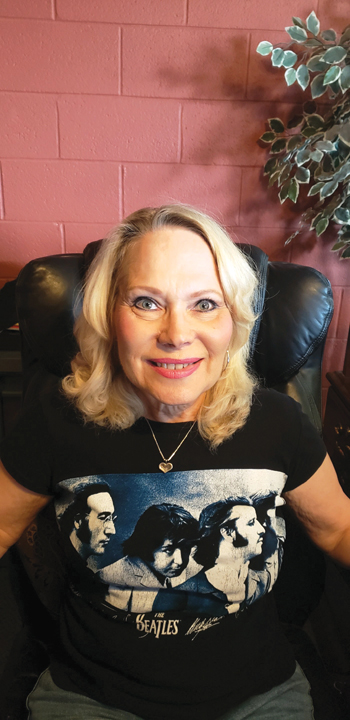
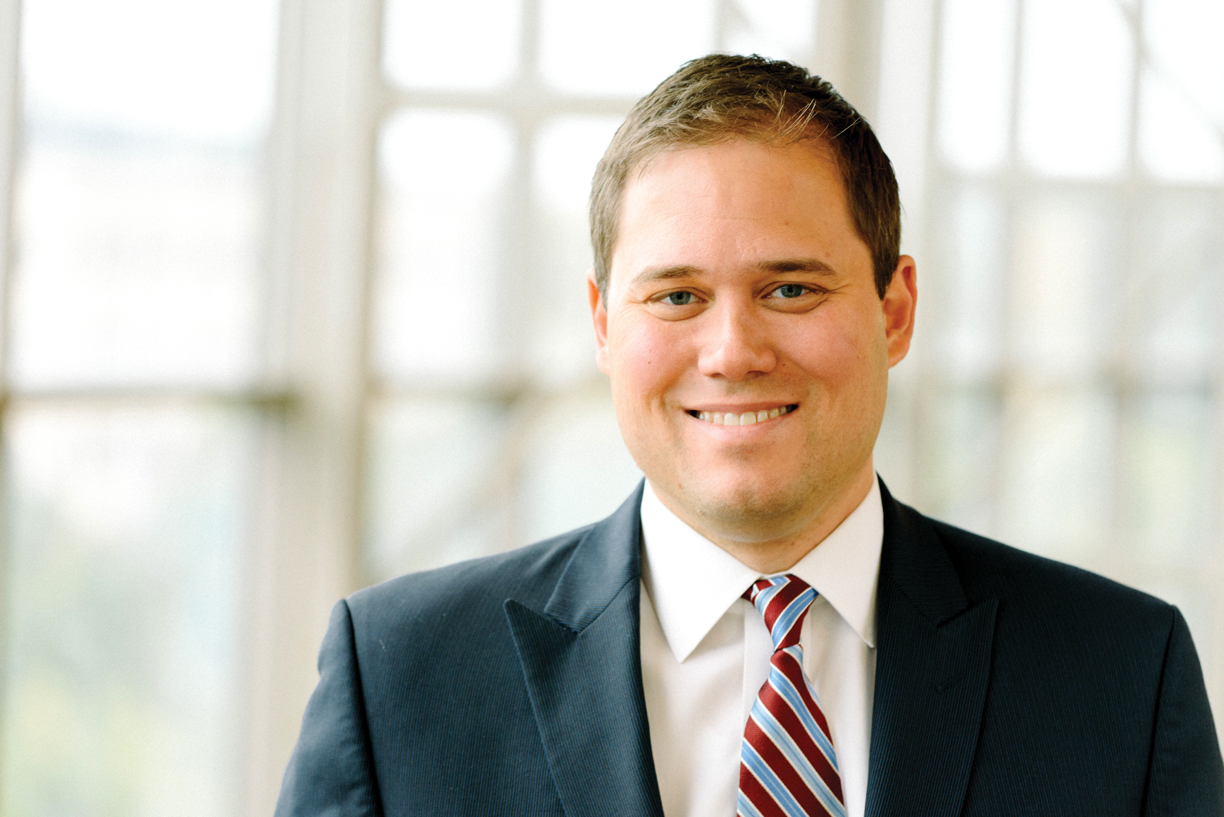
Kathy Shaw of Oklahoma City was less than six months out from treatment for breast cancer when she learned that she had nodule on a lobe of her lungs that was cancerous.
It was more than she could bear to think about. She had just undergone a double mastectomy, chemotherapy and radiation, and the idea of undergoing another major surgery was disheartening. She was told that lung cancer surgery would involve a large incision, the spreading of her ribs to access the lungs and a lengthy hospital stay and recovery.
“I went ahead and made the appointment for the surgery, but in my heart, I didn’t feel like I would go through with it,” she said.
Instead, she began looking for another option. That search led her to J. Matthew Reinersman, M.D., a thoracic surgeon at Stephenson Cancer Center at OU Medicine. Reinersman and his colleague Subrato J. Deb, M.D., are the only two surgeons in Oklahoma who specialize in a minimally invasive surgery for lung cancer called VATS – Video-Assisted Thoracoscopic Surgery. The surgery, which requires only three small incisions, removes the cancer while giving patients a much shorter hospital stay, less risk for complications and faster recovery.
“I had the VATS surgery, and I went home after two days,” Shaw said. “I think I took one or two pain pills, but I didn’t experience what I would call real pain. Because of the procedure and Dr. Reinersman, my recovery has been pretty remarkable.”
Reinersman has been performing VATS for patients with lung cancer since he arrived at Stephenson Cancer Center four years ago. Studies have shown VATS to result in outcomes that are just as good as those in a traditional, open surgery, but with all the benefits of a minimally invasive procedure.
In the traditional procedure for removing cancers of the lung, surgeons make a large incision on the patient’s side and push apart the ribs to reach the lungs. This results in significant pain for the patient and a hospital stay of at least five to seven days, which then leads to greater risk of pneumonia, blood clots and infections.
During VATS, Reinersman makes three small incisions to insert a tiny camera and his surgical instruments. The camera transmits images of the lungs onto a video screen to guide the surgery. Depending on the location of the cancer, he may remove a small part of the lobe, the entire lobe or more of the lung. Nearby lymph nodes also are dissected to ensure the cancer has not spread.
“The advantage is that we can get patients out of the hospital as soon as one to three days after the procedure,” Reinersman said. “They have less pain, fewer side effects and can return to their normal activities faster.”
The reduction of pain is a significant advantage of VATS. Patients having open surgery for lung cancer usually receive an epidural catheter in their backs for pain control. Pain must be managed because patients need to be able to take deep breaths and cough to lower their risk of getting pneumonia – something they won’t do as well if they are hurting. Because VATS is minimally invasive, no epidural catheter is needed and pain is greatly minimized. Surgeons also use nerve blocks to provide long-acting pain control in the nerves that run along the ribs.
“When I see my patients back in the clinic a couple of weeks after surgery, they’re usually taking little to no pain medicine and they’ve resumed doing most of the things they want to do. It’s really gratifying,” Reinersman said.
Reinersman considers VATS for any patient with lung cancer, but the best candidates are those with Stage 1 or 2 cancer, he said. VATS is also preferable for patients who have borderline lung function because the procedure is easier for them to tolerate than an open surgery.
In Shaw’s case, she has never been a smoker. About 20 percent of people diagnosed with lung cancer are non-smokers, Reinersman said.
“That shows the importance of lung cancer screening and early diagnosis and treatment,” he said. “It’s not a death sentence. If we can catch it early, we can get them through it. We’ve done hundreds of VATS surgeries here.”
Many surgeons will use VATS for simple surgical procedures in the chest, but Reinersman and Deb are experts in its use for removing lung cancer, a more technically complicated surgery. The surgeons also are unique because they focus solely on surgeries of the chest and esophagus, whereas many cardiothoracic surgeons focus mostly on the heart.
OU Medicine is also the only institution in Oklahoma that submits its lung cancer surgery data to the Society of Thoracic Surgeons General Thoracic Surgery Database, where it can be viewed by the public. OU Medicine’s two-star rating is equivalent to that of larger institutions like Mayo Clinic and M.D. Anderson.

Dear Savvy Senior,
I need to locate a good in-home caregiver for my 83-year-old mother. What’s the best way to find and hire one? Looking for Care
Dear Looking,
Finding a good in-home caregiver for an elderly parent can be challenging. How can you find one that’s reliable and trustworthy, as well as someone your parent likes and is comfortable with? Here are some tips that can help.
Know Your Needs
Before you start the task of looking for an in-home caregiver, your first step is to determine the level of care your mom needs. This can pinpoint the type of help she’ll need. For example, if she only needs help with daily living tasks like shopping, cooking, doing laundry, bathing or dressing, a “homemaker” or “personal care aide” will do.
But, if she needs health care services, there are “home health aides” that may do all the things a homemaker does, plus they also have training in administering medications, changing wound dressings and other medically related duties. Home health aides often work under a nurse’s supervision.
Once you settle on a level of care, you then need to decide how many hours of assistance she’ll need. For example, does your mom need someone to come in just a few mornings a week to help her cook, clean, run errands or perhaps bathe? Or does she need more continuous care that requires daily visits or a full-time aide?
After you determine her needs, there are two ways in which you can go about hiring someone. Either through an agency, or you can hire someone directly on your own.
Hiring Through an Agency
Hiring a personal care or home health aide through an agency is the safest and easiest option, but it’s more expensive. Costs typically run anywhere between $14 and $25 an hour depending on where you live and the qualification of the aide.
How it works is you pay the agency, and they handle everything including an assessment of your mom’s needs, assigning appropriately trained and pre-screened staff to care for her, and finding a fill-in on days her aide cannot come.
Some of the drawbacks, however, are that you may not have much input into the selection of the caregiver, and the caregivers may change or alternate, which can cause a disruption.
To find a home-care agency in your mom’s area ask for referrals through friends, family or doctor’s offices, or use the Area Agency on Aging’s home-care locator service at PayingForSeniorCare.com – click on “Find Quality, Affordable Care.” In addition, Medicare offers a home health compare tool at Medicare.gov/HomeHealthCompare to help you find and compare home health care agencies.
You also need to be aware that original Medicare does not cover in-home caregiving services unless your mom is receiving doctor’s ordered skilled nursing or therapy services at home too. But, if your mom is in a certain Medicare Advantage plan, or is low-income and qualifies for Medicaid, she may be eligible for some coverage.
Hiring Directly
Hiring an independent caregiver on your own is the other option, and it’s less expensive. Costs typically range between $12 and $20 per hour. Hiring directly also gives you more control over who you hire so you can choose someone who you feel is right for your mom.
But, be aware that if you do hire someone on your own, you become the employer so there’s no agency support to fall back on if a problem occurs or if the aide doesn’t show up. You’re also responsible for paying payroll taxes and any worker-related injuries that may happen. If you choose this option make sure you check the aide’s references thoroughly, and do a criminal background check, which you can do sites like eNannySource.com.
To find someone, ask for referrals or try eldercare-matching services like Care.com or CareLinx.com. Or, for a fee, an aging life care expert (see AgingLifeCare.org) can help you find someone.
Send your senior questions to: Savvy Senior, P.O. Box 5443, Norman, OK 73070, or visit SavvySenior.org. Jim Miller is a contributor to the NBC Today show and author of “The Savvy Senior” book.
Senate Bill 142
Authored by Sen. Stephanie Bice, the bill prohibits the use of antipsychotic drugs unless a patient was previously diagnosed with a psychotic disorder, with some exceptions.
Bice said according to research from the Centers of Medicaid and Medicare Services, Oklahoma is the worst state in the nation when it comes to the use of antipsychotic drugs for nursing home patients who have received no psychiatric diagnosis to warrant the use of such medications. Bice said it happens to one in five nursing home residents in Oklahoma.
“It’s pretty shocking, really. Nursing homes are basically prescribing these drugs as a pharmaceutical restraint to make it easier to handle the patients, but it’s extremely dangerous. It can result in illness, injuries, cognitive decline and even death,” Bice said. “Until this legislation, there’s been nothing that requires the patient, their family or other caregivers to be informed about the use of these powerful drugs. Senate Bill 142 is about requiring informed consent and a proper diagnosis.”
Under the provisions of SB 142, a nursing home patient would have to be examined by the prescribing clinician and diagnosed with a psychiatric condition before an antipsychotic drug could be given. Further, the clinician would have to confirm with the nursing facility that they had received informed consent from the resident or their representative.
In May, Gov. Kevin Stitt signed the bill into law effective Nov. 1.
“AARP Oklahoma applauds Gov. Stitt and the legislature for taking action to reduce the inappropriate use of antipsychotics and chemical restraints on nursing home residents,” said Sean Voskuhl, AARP Oklahoma state director. “With the passage of Senate Bill 142, Oklahoma’s most frail and vulnerable will now be treated with the dignity and respect they deserve.”
Senate Bill 888
Oklahoma is second in the nation for nursing home residents with low care needs who could be better served in home and community-based settings. Authored by Sen. Kim David, this bill provides seniors and their families options that best suit the individual’s long-term healthcare needs while saving the state money.
“Oklahoma spends 70 percent of its long-term care dollars on nursing homes, and only 30 percent on less costly alternatives. Oklahoma’s senior citizen population is expected to increase by nearly 100,000 in the next 30 years – a trend we won’t be able to afford unless we start using more affordable options,” said David, R-Porter. “By using a variety of home and community-based services, other states like Texas, Alaska and Colorado have obtained a 50/50 mix or better in long-term care spending, achieving significant cost savings while allowing senior to choose care in their preferred setting. This bill will provide Oklahoma’s elderly with more options while providing significant savings to the state that can be used on other important services.”
SB 888 allows seniors to take advantage of options counseling to ensure they are fully informed of their options prior to admission to a long-term care program, including less costly choices like home health and adult day services.
The bill was also authored by Rep. Carol Bush, R-Tulsa.
One option provided under SB 888 is the PACE program, which is a Medicare and Medicaid program that helps meet people’s health care needs in their homes, community or local PACE center rather than going to nursing homes or other care facilities. PACE provides all the services and care covered by Medicare and Medicaid if authorized by the individual’s health care team. Services include, among others, adult day primary care (including doctor and recreation therapy nursing services), dentistry, emergency services, home and hospital care, meals, physical therapy, social services and transportation.
In May, Gov. Stitt signed the bill into law effective Nov. 1.
Date/ Day/ Location/ Time/ Registration #/ Instructor
July 9/ Tuesday/ Yukon/ 8:30 am – 3:30 pm/ 350-7680/ Kruck
Dale Robertson Center – 1200 Lakeshore Dr.
July 9/ Tuesday/ Edmond/ 9 am – 3:30 pm/ 340-0691/ Varacchi
St John The Baptist Catholic Church- 900 S. Littler Ave.
July 9/ Tuesday/ Midwest City/ 9 am – 3:30 pm/ 691-4091/ Palinsky Rose State Conventional Learning Center – 6191 Tinker Diagonal
July 10/ Wednesday/ Okla. City/ 9 am – 3:30 pm/ 951-2277/ Varacchi Integris 3rd Age Center – 5100 N. Brookline Ave., Suite 100
July 12/ Friday/ Okla. City/ 9 am – 3:30 pm/ 951-2277/ Edwards S.W. Medical Center – 4200 S. Douglas Ave., Suite B-10
July 23/ Tuesday/ Okla. City/ 8:30 – 3:30 pm/ 773-6910/ Kruck Healthy Living Center – 11501 N. Rockwell Ave.
July 27/ Saturday/ Shawnee/ 9 am – 3:30 pm/ 818-2916/ Brase Gordon Cooper Tech Center – One John C Burton Blvd.
Aug 1/ Thursday/ Okla. City/ 9 am – 3:30 pm/ 951-2277/ Varacchi Integris 3rd Age Center – 5100 N. Brookline Ave., Suite 100
Aug 8/ Thursday/ Norman/ 9 am – 3:30 pm/ 307-3177/ Palinsky
Norman Regional Hospital – 901 N. Porter Ave.
Aug 9/ Friday/ Okla. City/ 9 am – 3:30 pm/ 951-2277/ Edwards
S.W. Medical Center – 4200 S. Douglas Ave, Suite B-10
The prices for the classes are: $15 for AARP members and $20 for Non-AARP. Call John Palinsky, zone coordinator for the Oklahoma City area at 405-691-4091 or send mail to: [email protected]