Wednesday, May 13, 2026

REBOOTING OLD-FASHIONED RELIGION

0
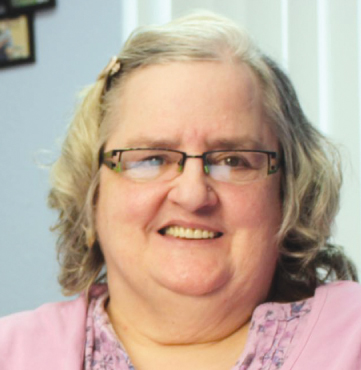
Darlene Franklin is both a resident of Crossroads of Love and Grace in Oklahoma City, and a full-time writer.

“I don’t know what you’ve been told, something new has taken hold. Love the Lord your God like this: Heart and mind and soul and strength.”
The Christian’s marching orders continue:
“I don’t know what you’ve been told, I’ll lead you back to something old. Love the Lord Your God like this: Heart and mind and soul and strength.”
While I’m marching in place, awaiting instructions, God checks my form. He’s both drill sergeant and assayer, the Great Physician. The practice of old-fashioned religion which began with Adam and Abel tests where I’m at and trains me to get where I’m headed, the “way that time has proven true.” (Psalm 139:24, CEV)
God works in multiple specialties—cardiology, neurology, psychiatry, orthopedics—to bring me to full health.
The Holy Spirit probes my heart in ways a heart cath can’t. He looks for blockages, unconfessed sins, in my spirit. He checks my nerve endings to see if my senses are ready to accept and pass on life.
God highlights those blockages. Sometimes He allows pain until I confess my wrong ways. As soon I do, He operates, allowing fresh blood to flow again.
The same as my physical heart, I need to pursue those things that will keep my new heart healthy. That means obedience and f ellowship, but when I sin, I should confess them immediately, so they don’t build up in my system. I should feed myself God’s word and breathe deeply of His spirit.
God the neurosurgeon operates like a gold assayer, looking for the precious metal He put in me. He won’t toss me out because of poor quality. is the quality Instead, He tests me for impurities. What am I thinking? Am I anxious? What do my words reveal? He probes deep into my brain, burning out the cancer cells and filling my mind with centers attune to His Spirit.
Follow up care invites me to to have the mind of Christ. It prescribes the right radio stations: whatever is true, noble, right, pure, loyal, worthy of respect, excellent, worthy of praise (Philippians 4:8, NIRV) More of that and less of lust, greed, and discord will allow our minds to stay healthy.
God the psychiatrist shows me my offensive ways. He works with me one-on-one and convicts me of sin. I see ways I have offended others. I’ve cut myself off from abundant life when bitterness and fear take root.He shows me how He sees me, and makes the transformation possible.
God the orthopedist is the way, the truth the life. I walk in shoes made from the gospel of peace. He strengthens feeble hands and knees: “the lame leap like a deer.” Necessary strength comes from Him.
The Divine Healer is available for appointments at any time. He reminds me to check in. He doesn’t need machinery and doesn’t wait for second opinions. But He won’t change me without my consent.
Open the Bible with me to Psalm 139:23-24 and pray with me: (words from hymn MORECAMBE by George Croly)
Search me, God, and know my heart.
Make me love You as I ought to love.
Test me and know my anxious thoughts.
Take the dimness of my soul away.
See if there is any offensive way in me.
Let me seek You and let me find.
Lead me in the way everlasting.
My heart an altar and Your love, the flame.

One I AM To Find Them All
I’ve lost my ID
I don’t know myself
Wouldn’t recognize me if I saw myself
One I AM in the darkness finds me

I’ve lost my heart
I don’t know what I feel anymore
Too sad to sense the hurricane inside me
One I AM in the maelstrom heals me

I’ve lost my mind
They say I don’t know what I know
Eroding my sense of self and will
One I AM in the matrix reboots me

I’ve lost my soul
Driven by cravings and appetites
Until I can’t see right from wrong
One I AM out of darkness restores me

I lost my way
Stepping out without GPS
On a path leading to nowhere
One I AM met at the crossroads

I received a heart transplant to give and receive love.
New mind to think on things not of this earth.
A computer chip implanted for when I get lost.
One great I AM to foster new life.


Staying alive: Can an experimental OMRF drug stop Mike Schuster’s brain cancer?

0
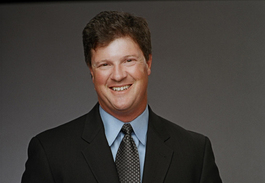
Since he began receiving infusions of OKN-007, Mike Schuster has grown strong enough to take his wife, Teresa, to dinner and to start working out again. ‘I feel really good,’ he said.

Last month, Sen. John McCain died from glioblastoma, a form of brain cancer. The same disease took the life of Sen. Edward Kennedy.
But here in Oklahoma, Norman’s Mike Schuster continues to live with the disease. As he nears the three-year anniversary of his diagnosis with the deadly cancer, he’s already doubled the life expectancy for patients with glioblastoma.
Doctors can’t say why Schuster has lived where others have succumbed to the disease. But they believe it may be because of an experimental drug he received—one that was developed by scientists at the Oklahoma Medical Research Foundation.
For Schuster, the first clue that something was awry came in the fall of 2015, just past his 50th birthday. While at work, he passed out with no warning.
He was rushed to the hospital, where an MRI revealed a brain tumor the size of a kiwi just above his right eye. “I’d been healthy all my life,” Schuster said. “No medical issues at all. I just couldn’t believe that this was happening.”
Of the more than 120 types of brain and central nervous system tumors, Schuster’s type, known as a glioblastoma, is the most aggressive. The standard treatment regimen involves surgery to remove as much of the tumor as possible, followed by radiation and chemotherapy. Still, the tumor almost always grows back.
With treatment, the median survival—which means half of patients live longer, and half die sooner—is 12 to 18 months. Only 1 in 20 glioblastoma patients will live five years.
In a procedure that lasted six hours, doctors removed as much of Schuster’s tumor as they could. When Schuster regained consciousness, his surgeon explained that he’d succeeded in excising most of the tumor. But, he said, like most glioblastomas, this one had “tentacles.” Tiny arms of the tumor had grown into surrounding brain tissue and could not be removed.
Schuster began follow-up radiation treatment at the Stephenson Cancer Center at the University of Oklahoma. Even though Schuster couldn’t feel the electromagnetic waves pulsing through his brain, “you could smell it,” he said. He also started chemotherapy, taking a pill called temozolomide. Together, the treatments were intended to kill the tumor cells that remained in the fissures of his brain.
“If you leave even a single cancer cell in the brain, it can regrow,” said Dr. James Battiste, the neuro-oncologist who oversees Mike’s care at Stephenson. “The brain is fertile soil for these tumors. That’s why chemo and other therapies are so important.”
Following radiation—doctors limited his treatment to six weeks for fear of triggering a secondary cancer—Schuster stayed on temozolomide. But just after the one-year anniversary of his diagnosis, an MRI revealed a new tumor.
A second surgery once again removed the primary tumor. This time, doctors kept Mike awake throughout the procedure to ensure they didn’t damage crucial areas of his brain. Still, many glioblastoma tentacles had escaped surgeons’ reach, remaining lodged in Schuster’s brain.
Schuster knew those tentacles were, in essence, seeds that could sprout another full-blown tumor in a matter of weeks. He told Battiste he was willing to try anything to beat back the glioblastoma. He’d read about clinical trials of experimental medications. Was there one that might help him?
Battiste, in fact, was testing a new drug that, he said, “just seemed suited for Mike.” It was an investigational medication for glioblastoma that had been born just down the block from Stephenson, in the labs of the Oklahoma Medical Research Foundation.
Known as OKN-007, the experimental medication was discovered by OMRF scientists Drs. Rheal Towner and Robert Floyd. In pre-clinical glioblastoma experiments, the compound dramatically decreased cell proliferation (spread) and angiogenesis (formation of new blood vessels), and it turned on the process of removing damaged cells so they can’t become cancerous.
“Those are the three major factors needed in a cancer drug,” Towner said. “This compound seemed to do all of them.”
Oblato, Inc., a New Jersey subsidiary of Korean biotechnology company GTreeBNT, has acquired the rights to OKN-007 from OMRF. It will move ahead with further trials of the drug in glioblastoma.
At Stephenson, Battiste has been cautiously optimistic about the performance of OKN-007 in Schuster and his other patients. “We’ve gone to the highest dosage levels the FDA would allow, and we haven’t seen any negative effects from the drug.” Although evaluating the medication’s effectiveness at stopping the regrowth of tumors is not a primary focus of the early phases of the trial, “it’s helpful to see things looking good” on this front, too, he said.
In August, Schuster celebrated his 53rd birthday. When he sees other patients with brain tumors, he said, they appear thin and frail. He, on the other hand, has added 15 pounds since beginning OKN-007 infusions. “I’ve had no side effects at all,” he said. “I’ve also been able to get back to the gym and am doing some yard work. I feel really good.”
He continues to travel to Oklahoma City each week for infusion treatments with OKN-007. “I really appreciate all of the support we’ve received from Stephenson and from people at OMRF,” he said.
While fighting glioblastoma has brought numerous challenges, Schuster said the experience has also revealed silver linings. “My friends and family and their prayers for me have turned into blessings.”
Of course, neither Schuster nor his doctors can know for sure if the drug is responsible for keeping his cancer at bay. Nor can they say if, or when, the disease might recur. “I can’t worry about stuff,” Schuster said, “that’s out of my control.”
Still, he feels certain he made the right decision when he opted to participate in the clinical trial. “Let’s just say I’ve been very blessed. It’s pretty cool how this stuff is working.”

OU MEDICINE GARNERS HIGHEST HONOREE COUNT AT ‘GREAT 100 NURSES’ COMPETITION

0
OU Medicine nurses receiving this honor are: Stacie Willoughby, Roxanne Shimp, Heather Graham, Liz Webb, Todd Kahoe, Douglas Gibson, Sharon Wengier, Taylor Risenhoover, Kammie Monarch, Linda Perron, Letitia Breath, Rhonda Farris, Darrin Nobis, Tara Smith, Jeneene Kitz, Nathaniel Pharr-Mahurin, Mindy Miller, Laci Fleenor, Catherine Pierce, Grace Bedford, Nikki Martinez, Mark Wheeler, Crystal Ogle, Annabelle Slater, Toni Steele, Amanda Bobo, Tesie Cates, Pamela Duncan, Kris Wallace, Jamie Kilpatrick, Susan Bedwell and Judy Owen.

The Great 100 Nurses Foundation has recently chosen their top 100 registered nurses from Oklahoma and OU Medicine dominated with 32 honorees, the most from any Oklahoma health care organization.
The foundation honors thousands of nurses across several states. These exemplary nurses are selected based on their concern for humanity, their contributions to their profession and their mentoring of others. Peers submitted nominations earlier this summer.
“OU Medicine is proud of all of our nurses and congratulates our 32 honorees for this well-deserved recognition,” said Cathy Pierce, Chief Nurse Executive at OU Medicine. “We strive to create a nursing culture where our nurses can learn and thrive while making significant contributions to the field of nursing that improves outcomes for our patients. They truly deserve this honor.”
The 100 chosen nurses across the state will be honored in an invite-only celebration Sept. 10 at the Hard Rock Hotel & Casino in Catoosa, featuring keynote speaker Tracey Moffatt. Out of all of the honorees statewide, OU Medicine has the most award recipients.
ABOUT GREAT 100 NURSES FOUNDATION
The Great 100 Nurses Foundation was founded by PK Scheerle, RN in New Orleans, Louisiana thirty-two years ago. Since its founding, the Great 100 Celebrations have honored thousands of Nurses across Louisiana, North Carolina, Texas, Oklahoma and now Arkansas! These exemplary Nurses are selected based on their concern for humanity, their contributions to the profession of Nursing, and their mentoring of others. It is a great honor in the life of the Nurse to be selected as a Great 100 Honoree and our Foundation helps each RN recognize themselves as Nurse Heroes.
We are very proud of our program. Each year, community, health care, government leaders, family, friends and peers join together to honor these Great 100 Nurses. The funds raised through the celebration are used not only to honor the nurses involved with the celebration, but to also support nursing advocacy, nursing scholarships, and nursing research for the betterment of lives, publication of nursing discoveries and the implementation of those discoveries.

Did You See Hearing Loss Association?

0

by Ron Hendricks

Did you see us at the fair? Central Oklahoma Chapter Hearing Loss Association of America (COC HLAA) said, “Hello” to hundreds of Oklahomans with hearing loss during the Senior Day at the Oklahoma State Fair. We had one simple question – Do you know anyone with hearing loss? Spouses and friends pointed to each other, children pointed to parents, and parents pointed to teens. We invited everyone to get their hearing checked and join us for meetings. We also spoke to local organizations about hearing access and hearing loss presentations available through our organization. If you know anyone living with hearing loss, please invite them to join COC HLAA for a meeting. Together we are stronger!
COC HLAA offers two meetings each month for your convenience. Meetings are hearing friendly and they are captioned too so you can see what was said. Join us in the evening on the second Monday each month at 6:30PM and on the third Thursday at 1:30PM. All meetings are held at Lakeside Methodist Church, 2925 NW 66 and they are free. There is no charge to become a member of our chapter, to subscribe to our monthly newsletter, or to visit the Hearing Helpers Demonstration Room (HHR), 5100 N Brookline, suite 100. The HHR is open Monday-Friday, 10-3. For more information about Hearing Loss Association of America Central Oklahoma Chapter visit our website — OKCHearingLoss.org.

OSDH Clinics Offering Flu Vaccine Beginning October 1 with No Out-of-Pocket Cost

0

The Oklahoma State Department of Health (OSDH) will offer flu vaccine statewide beginning Monday, Oct. 1 at all county health department locations. Flu shots will be provided at no out-of-pocket cost to recipients. Those with insurance are asked to provide their card showing coverage.
Flu vaccination is recommended each year for everyone 6 months of age and older. When more people are vaccinated against the flu, there is less opportunity for flu to spread in families, schools and communities. The flu vaccine is formulated each year to keep up with flu viruses as they change. Also a yearly flu shot is needed because a person’s immune protection from being vaccinated decreases after a year, and yearly vaccination provides the best protection against the flu through the entire flu season.
OSDH Interim Commissioner Tom Bates will help kickoff the effort by getting his immunization at the Rogers County Health Department in Claremore next Wednesday morning, October 3.
“We are encouraging everyone to get their flu vaccination and we hope this effort to provide the shots at no out-of-pocket cost to recipients will make it more accessible,” said Bates. “The last season was especially devastating and we want to ensure that as many people as possible can receive the added protection that the flu vaccine provides.”
Last flu season there were 291 deaths and 4,819 hospitalizations between September 2017 and May 2018.

Fear, Religion, Politics; Well I’ll Be Darn

0

Announcing the publication of ‘Fear, Religion, Politics; Well I’ll Be Darn’ by Dr. John E. Karlin, former professor of Sociology at Northwestern Oklahoma State University, Oklahoma City University and Phillips University, Enid, OK. Dr. Karlin spent over a year in research and writing this excellent work which is currently listed on amazon.com.
This book is non-fiction and written with three parts.
Part One: Entitled ‘The problem that won’t go away’, examines the relationship between the fear of death and religion. The problem that won’t go away is our own mortality and the consequences of our consciousness of it.
Part Two: Entitled ‘The dream’ examines the goal/objective that Jesus Christ’s life, words and actions indicate that he was trying to achieve during his own lifetime.
Part Three: Entitled ‘A dream gone awry’ examines the relationship between religion and politics today. That relationship has and continues to destroy any chance of that dream coming true.
All three themes are intertwined and explain the political atmosphere today.
For more details call: Dr. John Karlin at 405-598-6590.

New Vaccine Provides Better Protection for Seniors

0

Dear Savvy Senior, A good friend of mine got a bad case of shingles last year and has been urging me to get vaccinated. Should I? Suspicious Susan

Dear Susan,
Yes! If you’re 50 or older, there’s a new shingles vaccine on the market that’s far superior to the older vaccine, so now is a great time to get inoculated. Here’s what you should know.
Shingles, also known as herpes zoster, is a burning, blistering, often excruciating skin rash that affects around 1 million Americans each year. The same virus that causes chickenpox causes shingles. What happens is the chickenpox virus that most people get as kids never leaves the body. It hides in the nerve cells near the spinal cord and, for some people, emerges later in the form of shingles.
In the U.S., almost one out of every three people will develop shingles during their lifetime. While anyone who’s had chickenpox can get shingles, it most commonly occurs in people over age 50, along with people who have weakened immune systems. But you can’t catch shingles from someone else.
Early signs of the disease include pain, itching or tingling before a blistering rash appears several days later, and can last up to four weeks. The rash typically occurs on one side of the body, often as a band of blisters that extends from the middle of your back around to the breastbone. It can also appear above an eye or on the side of the face or neck.
In addition to the rash, about 20 to 25 percent of those who get shingles go on to develop severe nerve pain (postherpetic neuralgia, or PHN) that can last for months or even years. And in rare cases, shingles can also cause strokes, encephalitis, spinal cord damage and vision loss.
New Shingles Vaccine
The Food and Drug Administration recently approved a new vaccine for shingles called Shingrix (see Shingrix.com), which provides much better protection than the older vaccine, Zostavax.
Manufactured by GlaxoSmithKline, Shingrix is 97 percent effective in preventing shingles in people 50 to 69 years old, and 91 percent effective in those 70 and older.
By comparison, Zostavax is 70 percent effective in your 50s; 64 percent effective in your 60s; 41 percent effective in your 70s; and 18 percent effective in your 80s.
Shingrix is also better that Zostavax in preventing nerve pain that continues after a shingles rash has cleared – about 90 percent effective versus 65 percent effective.
Because of this enhanced protection, the Center for Disease Control and Prevention recommends that everyone age 50 and older, receive the Shingrix vaccine, which is given in two doses, two to six months apart.
Even if you’ve already had shingles, you still need these vaccinations because reoccurring cases are possible. The CDC also recommends that anyone previously vaccinated with Zostavax be revaccinated with Shingrix.
You should also know that Shingrix can cause some adverse side effects for some people, including muscle pain, fatigue, headache, fever and upset stomach.
Shingrix – which costs around $280 for both doses – is (or will soon be) covered by insurance including Medicare Part D prescription drug plans, but be aware that the shingles vaccines are not always well covered. So before getting vaccinated, call your plan to find out if it’s covered, and if so, which pharmacies and doctors in your area you should use to insure the best coverage.
Or, if you don’t have health insurance or you’re experiencing medical or financial hardship, you might qualify for GlaxoSmithKline’s Patient Assistance Program, which provides free vaccinations to those who are eligible. For details, go to GSKforyou.com.

Send your senior questions to: Savvy Senior, P.O. Box 5443, Norman, OK 73070, or visit SavvySenior.org. Jim Miller is a contributor to the NBC Today show and author of “The Savvy Senior” book.

September AARP Drivers Safety Classes

0

Date/ Day/ Location/ Time/ Registration #/ Instructor
Oct 4/ Thursday/ Okla. City/ 9 am – 3:30 pm/ 951-2277/ Varacchi
Integris 3rd Age Life Center – 5100 N. Brookline, Suite 100
Oct 5/ Friday/ Okla. City/ 9 am – 3:30 pm/ 681-3266/ Palinsky
Woodson Park Senior Center – 3401 S. May Ave.
Oct 9/ Tuesday/ Yukon/ 9 am – 3:30 pm5/ 350-7680/ Kruck
Dale Robertson Center – 1200 Lakeshore Dr.
Oct 12/ Friday/ Okla. City/ 9 am – :3:30 pm/ 297-1455/ Palinsky
Will Rogers Senior Center – 3501 Pat Murphy Drive
Oct 12/ Friday/ Okla. City/ 9 am – 3:30 pm/ 951-2277/ Edwards
S.W. Medical Center – 4200 S. Douglas, Suite B-10
Oct 23/ Tuesday/ Okla, City/ 8:30 – 3:30 pm/ 773-6910/ Kruck
Healthy Living Center – 11501 N. Rockwell Ave.
Oct 25/ Thursday/ Okla. City/ 9 am – 3:30 pm/ 307-3177/ Schaumburg
Norman Regional Hosp Moore (Conference Room) – 700 S. Telephone rd.
Oct 26/ Friday/ Okla. City/ 9 am – 3:30 pm/ 297-1449/ Palinsky
Sourhern Oaks Senior Center – 400 S.W. 66th Street
Oct 27/ Saturday/ Chandler/ 9 am – 3:30 pm/ 834-2348/ Brase
First United Methodist Church – 122 W. 10th – church basement

The prices for the classes are: $15 for AARP members and $20 for Non-AARP. Call John Palinsky, zone coordinator for the Oklahoma City area at 405-691-4091 or send mail to: [email protected]

INTEGRIS HEART HOSPITAL OFFERS THE WORLD’S SMALLEST PACEMAKER

0

Miniaturized Heart Device Provides Patients with the Most Advanced Pacing Technology Available

INTEGRIS Heart Hospital is one of the first hospitals in Oklahoma to offer the world’s smallest pacemaker for patients with bradycardia. The Micra® Transcatheter Pacing System (TPS) is a new type of heart device, approved for Medicare reimbursement, that provides patients with the most advanced pacing technology at one-tenth the size of a traditional pacemaker.
The first procedure at INTEGRIS Baptist Medical Center was performed by Terrance Khastgir, M.D., a cardiac electrophysiologist with INTEGRIS Heart Hospital, on Aug. 7, 2018.
Bradycardia is a condition characterized by a slow or irregular heart rhythm, usually fewer than 60 beats per minute. At this rate, the heart is unable to pump enough oxygen-rich blood to the body during normal activity or exercise, causing dizziness, fatigue, shortness of breath or fainting spells. Pacemakers are the most common way to treat bradycardia to help restore the heart’s normal rhythm and relieve symptoms by sending electrical impulses to the heart to increase the heart rate.
Comparable in size to a large vitamin, physicians at INTEGRIS Heart Hospital have elected to use Medtronic’s Micra TPS because unlike traditional pacemakers, the device does not require cardiac wires (leads) or a surgical “pocket” under the skin to deliver a pacing therapy. Instead, the device is small enough to be delivered through a catheter and implanted directly into the heart with small tines, providing a safe alternative to conventional pacemakers without the complications associated with leads – all while being cosmetically invisible. The Micra TPS is also designed to automatically adjust pacing therapy based on a patient’s activity levels.
“This device will allow our patients to get the most advanced technology in pacing the heart for slow heart rate,” stated Khastgir.
The Micra TPS also incorporates a retrieval feature to enable retrieval of the device when possible; however, the device is designed to be left in the body. For patients who need more than one heart device, the miniaturized Micra TPS was designed with a unique feature that enables it to be permanently turned off so it can remain in the body and a new device can be implanted without risk of electrical interaction.
The Micra TPS is the first and only transcatheter pacing system to be approved for both 1.5 and 3 Tesla (T) full-body magnetic resonance imaging (MRI) scans and is designed to allow patients to be followed by their physicians and send data remotely via the Medtronic CareLink® Network.
The Micra TPS was approved by the U.S. Food and Drug Administration in April 2016, and has been granted Medicare reimbursement, allowing broad patient access to the novel pacing technology.


Salvation of Hope: Senior gives back

0
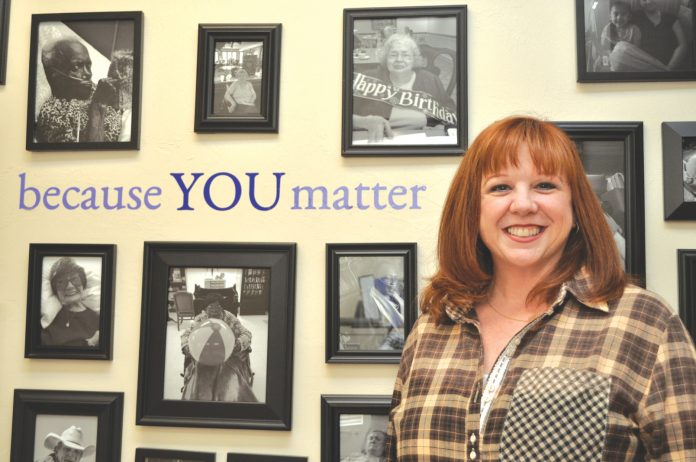
Deanna Waltens is giving back to the group that helped her so much in her time of need.

by Bobby Anderson, Staff Writer

Twenty five years ago, Deanna Waltens fled an abusive and threatening situation.
Life had put her in such a horrible situation that the prospect of leaving with nothing in hand was better than certain misery that waited for her at home.
“I was like Forrest Gump and I kept running and running and running,” Waltens laughed, looking back on her past heartaches.
“Maybe I could have done things better. Maybe I could have thought things out. Sometimes you don’t get that chance. So if you’re in that situation you just do what you have to do.”
Along the way she found people waiting to help.
She stayed at an emergency shelter.
“I saw all the hurt and all the need through all the little children that were there with their moms,” she said. “That really started opening my eyes a lot.”
Realizing she was homeless and chronically hungry she came back to Oklahoma.
Staying with her mom in Choctaw, she put her paralegal degree to work with a local attorney.
After more than a year she realized she needed something more permanent.
An application process through the federal government landed her a job with the immigration department.
After 15 years with the immigration department she retired.
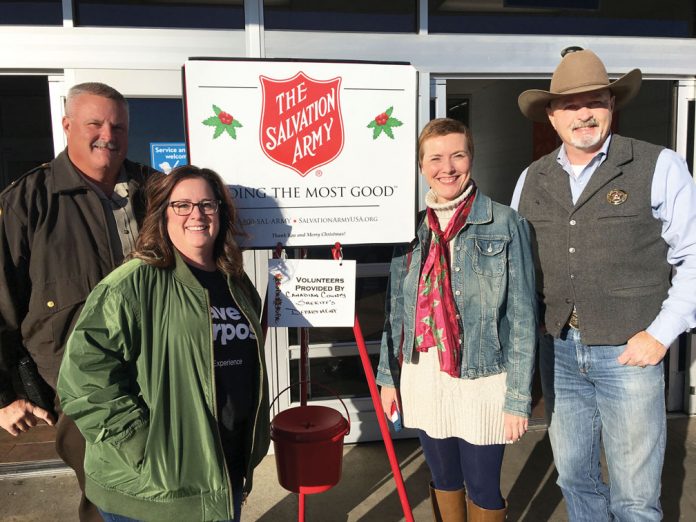
Now she spends her days helping those in need at the Salvation Army Central Oklahoma Area command food pantry.
“I came here because actually I saw something in Oklahoma’s Senior News and Living about them needing summer volunteers,” she said. “I realized what it is to be hungry, cold and scared and all the things that go with the situation.”
She stopped by and hasn’t left since.
“It’s a lovely place,” Waltens said. “The people are so great. All the other volunteers are so sweet I really love it here. I decided this was for me.”
Waltens volunteers now, largely because it was volunteers who helped her journey.
Liz Banks, volunteer director at the Salvation Army Central Oklahoma Area Command, says that’s one of the beauties of the service. Lawyers, police officers, seniors, millennials – people from all walks and professions – come together with a common goal to help their fellow human being.
It truly is an army of people coming together to help those in need.
And the need is always great. That’s why Banks loves it when she gets a call for someone inquiring how they can help.
Right now, Banks is in immediate need of spanish translators. Help is ready but sometimes communication barriers make it difficult.
If you can help in any way with time or talent call 405-246-1107.
“I went to churches and they were good and helpful but nothing like this,” Waltens said. “To me this is the ultimate in food pantries. This is just really, really good.”
Waltens knows the need is there because it was once her.
Someday it could be you.
“I think maybe they understand some but unless you’ve been there you don’t understand the real impact of getting up and wondering if you’re going to have anything to eat today,” she said. “People don’t realize, I guess they think it’s third world countries that face it but you face it here.”
She likes the fact people can come and get short-term help while others can utilize services longer term.
“Makes me feel really good,” Waltens smiled. “I realize that the Salvation Army is just that, it’s salvation for a lot of people – not only temporarily but spiritually, too. So much good goes on here. I see the Red Shield Diner help people every day.”
“I know the shelter. I know it’s a great place to be. It’s just a helping situation.”
Waltens comes from a generation that takes great pride on self reliance. Hard times are just opportunities to pull up your bootstraps.
But sometimes life leaves you shoeless.
“Don’t worry about coming here if you need help because anyone of us is 24 hours away from something like that. Not only does it give them that experience and help but it gives us the opportunity to serve.”
“Everytime I help someone through there I think I’m getting a blessing.
“I get more out of it.”

Social

0FansLike
0FollowersFollow
0SubscribersSubscribe