Friday, May 15, 2026

TINSELTOWN TALKS: Northern Exposure’s Cynthia Geary heads to Hospice in new series

0
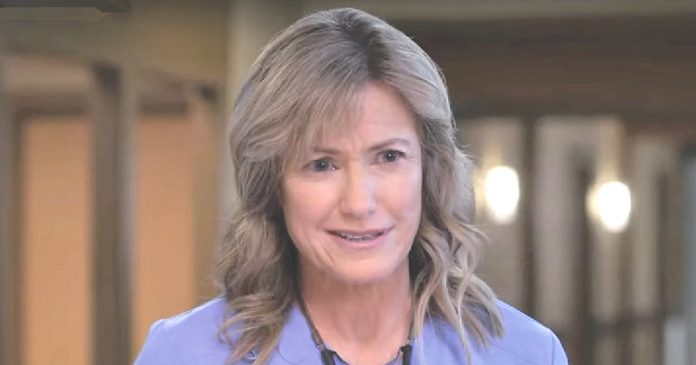
Cynthia Geary as a Hospice nurse in an episode of Going Home. Provided by Pure Flix
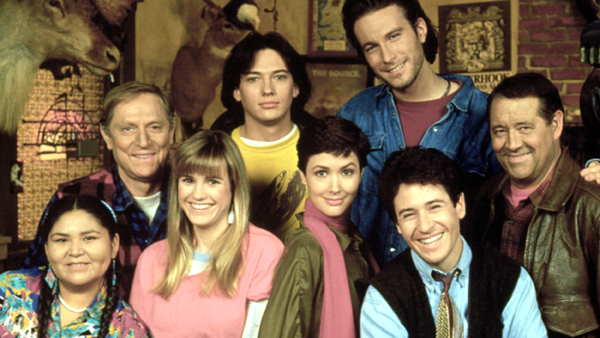
Cynthia Geary, front second from left, and the cast of Northern Exposure, CBS publicity photo

By Nick Thomas

Emmy-nominated actress Cynthia Geary was immediately drawn to her latest character Charley Copeland, a Hospice nurse in the compelling new drama series “Going Home.” Season one began streaming in June on Pure Flix, a faith and family-friendly media service (see www.pureflix.com).
“The death of a loved one is something we will all experience, but I feel like the show sends a positive message in a sad but cathartic way,” said Geary from Palm Springs while traveling from her home in Seattle.
Set in a Hospice care center with Geary as head nurse, the staff tackle the emotional, spiritual, and physical challenges facing end-of-life patients and their families, to ensure the loved ones pass on with compassion and dignity. Geary says the scripts attracted her to the role.
“They are challenging, demanding, and emotional, but so well-written,” she said. “We all cried a lot on the set because I think the actors and crew could relate to the stories.”
Shot in Spokane, Washington, Geary visited a local Hospice facility to prepare for the role.
I was fortunate to meet many of the Hospice nurses whose job is to provide patients with a peaceful transition from this life,” she said. “I learned how important it was not to project personal issues into the situation to avoid putting any additional stress on the patients or their families who are already suffering. I tried to bring that to Charley, my character, who will be evolving with her own back-story in the coming episodes.”
Geary’s own career back-story dates back to 1990 when she starred in the quirky CBS comedy-drama “Northern Exposure.” Her character, Shelly, appeared in all episodes over the show’s six-season run, the series remaining a cult favorite today.
“I just loved everything about that show and would have been happy to do more seasons for years,” she recalled. “There’s been talk of a reunion or new series for a long time, but nothing definite yet – I would love, love, love to do it!”
Meanwhile, despite the potentially gloomy theme, Geary is loving her new series.
“I know a show sending a message that death can be a positive experience sounds weird, but it can be an uplifting one,” she says. “Death is inevitable, but we don’t have to be afraid of it. Being part of the series has changed my perspective – if you have someone in a Hospice setting, at least you can prepare for what’s coming and have that time with them.”
Nick Thomas teaches at Auburn University at Montgomery, in Alabama, and has written features, columns, and interviews for numerous magazines and newspapers. See www.getnickt.org.

Easy Living Option for Older Adults

0
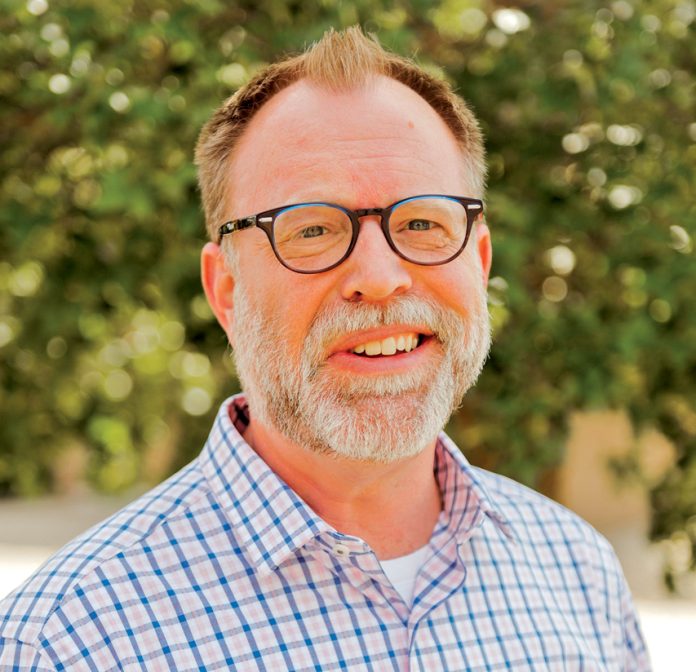
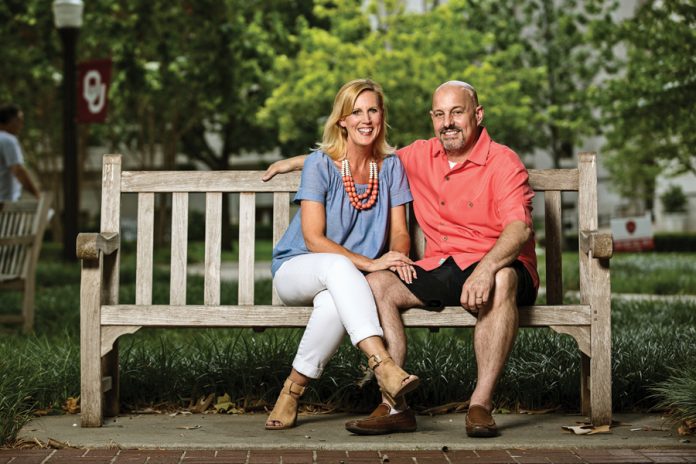
Matt Neill, the Vibrant Oklahoma Group.

Story and Photo by Matt Neil

As Oklahoma’s Best Real Estate Planner, I have had the privilege of working with clients at various stages of their lives. Working with seniors, I’ve seen firsthand how important it is for people to find the right home that truly suits their needs, especially as they transition into a new stage of life. One housing option that is particularly appealing is a single-level home with included lawn-care, located in a tight-knit community. There are so many benefits to this type of living arrangement, especially for older adults who are looking to simplify their lives while still enjoying home ownership. Let me share with you why this can be such a smart and fulfilling choice.
1. Ease of living and accessibility: One of the most obvious advantages of a single-level home is its accessibility. As we get older, the idea of climbing stairs multiple times a day becomes less appealing, and in some cases, it’s no longer practical. A single-level home eliminates that concern entirely. Everything you need is on one floor—no stairs, no strain, just convenience. Whether it’s moving around the home with ease, or thinking ahead about mobility in the future, single-level living provides the peace of mind that comes with knowing you can stay in your home comfortably for many years to come.
2. Low maintenance, More Enjoyment: Another major perk is having lawn care included. For many older adults, the upkeep of a yard can become overwhelming—especially in Oklahoma’s unpredictable weather. While you might still enjoy the sight of a beautifully manicured lawn or garden, the physical work it takes to maintain it can be exhausting and sometimes even dangerous in the summer heat or spring storms. Having lawn care included means you can enjoy the benefits of a well-kept yard without any of the hassle. You’ll have more time and energy to spend on hobbies, family, or simply relaxing in your own outdoor space without worrying about mowing or edging. Often these communities will allow you to manage your own flower beds, so you can still exercise your green thumb and enjoy a small bit of gardening.
3. Community Connection: A neighborhood that has under 50 homes creates a perfect balance between privacy and community. It’s large enough to offer variety in your neighbors, but small enough that you can truly get to know the people around you. This sense of community is incredibly important as we age. Whether it’s sharing a cup of coffee in the morning, organizing a neighborhood gathering, or simply having neighbors who look out for one another, these communities foster a sense of security and belonging that is deeply comforting. You’re not just moving into a house — you’re joining a supportive and friendly community, and that’s something you can’t put a price on.
4. Peace and Quiet: Smaller neighborhoods tend to be quieter and more peaceful, which can make all the difference in your day-to-day life. Without the constant hustle and bustle of heavy traffic, you can enjoy peaceful mornings on your porch, take leisurely walks around the neighborhood, or simply relax in your yard. It can be a wonderful environment for those seeking calm and comfort.
5. Security and Safety: Smaller neighborhoods often foster a stronger sense of security. Neighbors tend to look out for one another, and it’s easier to notice unfamiliar activity, which can be reassuring. Additionally, many communities that cater to older adults may offer extra safety features, such as gated entrances or neighborhood watch programs, adding to that peace of mind.
6. Predictable Costs: Finally, when lawn care and potentially other exterior maintenance are handled by your homeowner’s association (HOA), it’s one less thing to budget for or worry about. Predictable monthly or annual fees help you manage your expenses better, without the worry of unexpected yard maintenance costs. This financial stability is a big advantage for many seniors living on fixed incomes.
In conclusion, owning a single-level home with included lawn care in a small neighborhood provides numerous advantages for seniors. It offers ease, comfort, community, and the ability to enjoy your home without the stress of maintenance. If this sounds like something that could improve your quality of life, I’d be happy to help you explore the possibilities and find a home that fits your needs perfectly. Give us, your certified Real Estate Planner, a call at 405-757-9980 or email at [email protected]
Matt Neill is a realtor who has lived in Oklahoma over 17 years and enjoys spending time with his family, reading, and cheering on the OKC Thunder.


Staying alive: Can an experimental OMRF drug stop Mike Schuster’s brain cancer?

0
Since he began receiving infusions of OKN-007, Mike Schuster has grown strong enough to take his wife, Teresa, to dinner and to start working out again. ‘I feel really good,’ he said.

Last month, Sen. John McCain died from glioblastoma, a form of brain cancer. The same disease took the life of Sen. Edward Kennedy.
But here in Oklahoma, Norman’s Mike Schuster continues to live with the disease. As he nears the three-year anniversary of his diagnosis with the deadly cancer, he’s already doubled the life expectancy for patients with glioblastoma.
Doctors can’t say why Schuster has lived where others have succumbed to the disease. But they believe it may be because of an experimental drug he received—one that was developed by scientists at the Oklahoma Medical Research Foundation.
For Schuster, the first clue that something was awry came in the fall of 2015, just past his 50th birthday. While at work, he passed out with no warning.
He was rushed to the hospital, where an MRI revealed a brain tumor the size of a kiwi just above his right eye. “I’d been healthy all my life,” Schuster said. “No medical issues at all. I just couldn’t believe that this was happening.”
Of the more than 120 types of brain and central nervous system tumors, Schuster’s type, known as a glioblastoma, is the most aggressive. The standard treatment regimen involves surgery to remove as much of the tumor as possible, followed by radiation and chemotherapy. Still, the tumor almost always grows back.
With treatment, the median survival—which means half of patients live longer, and half die sooner—is 12 to 18 months. Only 1 in 20 glioblastoma patients will live five years.
In a procedure that lasted six hours, doctors removed as much of Schuster’s tumor as they could. When Schuster regained consciousness, his surgeon explained that he’d succeeded in excising most of the tumor. But, he said, like most glioblastomas, this one had “tentacles.” Tiny arms of the tumor had grown into surrounding brain tissue and could not be removed.
Schuster began follow-up radiation treatment at the Stephenson Cancer Center at the University of Oklahoma. Even though Schuster couldn’t feel the electromagnetic waves pulsing through his brain, “you could smell it,” he said. He also started chemotherapy, taking a pill called temozolomide. Together, the treatments were intended to kill the tumor cells that remained in the fissures of his brain.
“If you leave even a single cancer cell in the brain, it can regrow,” said Dr. James Battiste, the neuro-oncologist who oversees Mike’s care at Stephenson. “The brain is fertile soil for these tumors. That’s why chemo and other therapies are so important.”
Following radiation—doctors limited his treatment to six weeks for fear of triggering a secondary cancer—Schuster stayed on temozolomide. But just after the one-year anniversary of his diagnosis, an MRI revealed a new tumor.
A second surgery once again removed the primary tumor. This time, doctors kept Mike awake throughout the procedure to ensure they didn’t damage crucial areas of his brain. Still, many glioblastoma tentacles had escaped surgeons’ reach, remaining lodged in Schuster’s brain.
Schuster knew those tentacles were, in essence, seeds that could sprout another full-blown tumor in a matter of weeks. He told Battiste he was willing to try anything to beat back the glioblastoma. He’d read about clinical trials of experimental medications. Was there one that might help him?
Battiste, in fact, was testing a new drug that, he said, “just seemed suited for Mike.” It was an investigational medication for glioblastoma that had been born just down the block from Stephenson, in the labs of the Oklahoma Medical Research Foundation.
Known as OKN-007, the experimental medication was discovered by OMRF scientists Drs. Rheal Towner and Robert Floyd. In pre-clinical glioblastoma experiments, the compound dramatically decreased cell proliferation (spread) and angiogenesis (formation of new blood vessels), and it turned on the process of removing damaged cells so they can’t become cancerous.
“Those are the three major factors needed in a cancer drug,” Towner said. “This compound seemed to do all of them.”
Oblato, Inc., a New Jersey subsidiary of Korean biotechnology company GTreeBNT, has acquired the rights to OKN-007 from OMRF. It will move ahead with further trials of the drug in glioblastoma.
At Stephenson, Battiste has been cautiously optimistic about the performance of OKN-007 in Schuster and his other patients. “We’ve gone to the highest dosage levels the FDA would allow, and we haven’t seen any negative effects from the drug.” Although evaluating the medication’s effectiveness at stopping the regrowth of tumors is not a primary focus of the early phases of the trial, “it’s helpful to see things looking good” on this front, too, he said.
In August, Schuster celebrated his 53rd birthday. When he sees other patients with brain tumors, he said, they appear thin and frail. He, on the other hand, has added 15 pounds since beginning OKN-007 infusions. “I’ve had no side effects at all,” he said. “I’ve also been able to get back to the gym and am doing some yard work. I feel really good.”
He continues to travel to Oklahoma City each week for infusion treatments with OKN-007. “I really appreciate all of the support we’ve received from Stephenson and from people at OMRF,” he said.
While fighting glioblastoma has brought numerous challenges, Schuster said the experience has also revealed silver linings. “My friends and family and their prayers for me have turned into blessings.”
Of course, neither Schuster nor his doctors can know for sure if the drug is responsible for keeping his cancer at bay. Nor can they say if, or when, the disease might recur. “I can’t worry about stuff,” Schuster said, “that’s out of my control.”
Still, he feels certain he made the right decision when he opted to participate in the clinical trial. “Let’s just say I’ve been very blessed. It’s pretty cool how this stuff is working.”

Lawton Resident Finds Hope Thanks to Older Blind Independent Living Program

0
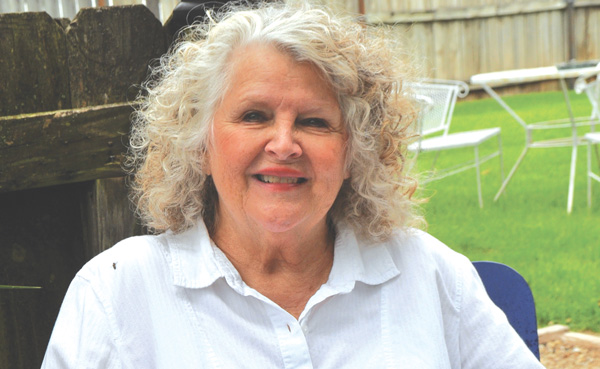
Lawton resident Mary Ann Pawless.
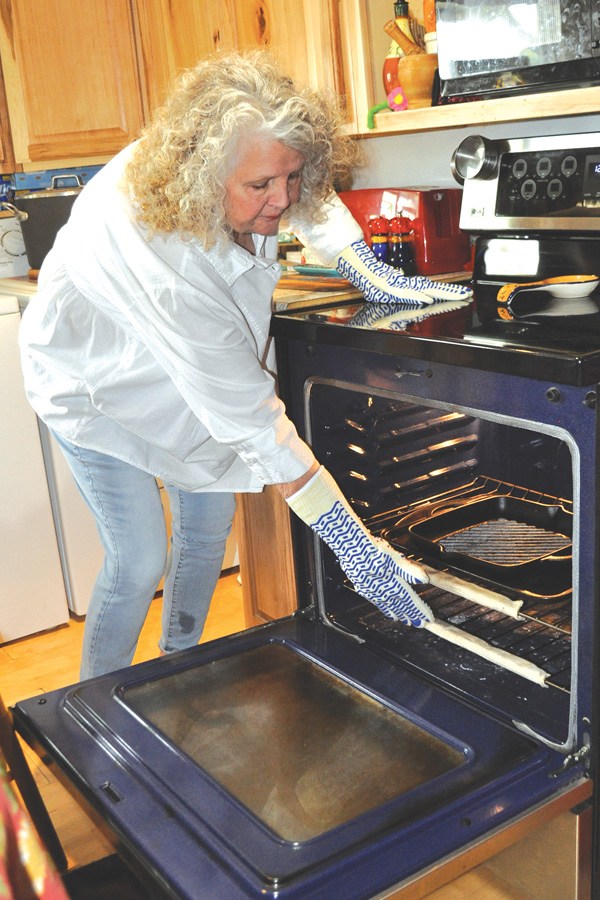
Pawless demonstrating how she uses her oven.


Mary Ann Pawless, like millions of Americans, wonders how Katie Thurston’s journey will end this season on “The Bachelorette.”
The dating show is one of several shows the Lawton woman looks forward to watching each week, but that hobby was at risk because of her struggles with macular degeneration, a common eye disorder among people over age 50 that causes blurred or reduced central vision.
Pawless sought help with her vision issues from the Oklahoma Department of Rehabilitation Services’ Older Blind Independent Living Program. The staff teach independent living skills, adaptive aids and alternate techniques. Areas of support include help with reading tasks, time telling, name signing, orientation and mobility for clients in their home and community. Clients are also taught money identification and management, recreation and leisure activities and multiple independent living skills.
Pawless demonstrated how she uses a handheld magnifier with a light to read an adjustable magnifying glasses that enable her to watch her favorite TV shows including the ABC reality series. Each week she follows along as the men wait to see who will not receive the final rose and are sent home.
“For a while there it was, poor me,” Pawless said. “I didn’t have the desire to try to do too much. I just kind of scooted around, but now it’s kind of like a whole new world they’ve opened up for me. I used to get kind of depressed, but that’s very rare now because I stay busy at home and doing the yard.”
DRS also helped in other areas of her life. Pawless has black tabs on her stove and microwave that help her identify numbers and has a pair of elbow length oven mitts to prevent accidentally burning her arm while using the oven. She also listens to audiobooks from the Oklahoma Library for the Blind and Physically Handicapped, a program associated with Services for the Blind and Visually Impaired that provides audio books and audio equipment.
The Oklahoma Older Blind Independent Program provides one-on-one teaching for Oklahomans ages 55 and older who are struggling with vision loss and blindness. A large percentage of the staff are blind or have low vision and are located in offices throughout the state to help individuals regain their independence in a safe and efficient way at no cost to the client.
Pawless’ rehabilitation teacher Pam Holloway is also blind. Holloway helped Pawless to be creative around her house, such as using a rubber band to identify her shampoo and conditioner. Pawless’ orientation and mobility specialist Liz Scheffe taught her how to navigate outside and use her white cane. With her newfound independence, Pawless is now able to live life to the fullest again and has recovered from the depression that came with losing most of her vision.
Pawless, her husband and dog, Biscuit, live in a cabin with a beautiful garden across from Mount Scott. Her hobbies include listening to audiobooks, cooking and working in her garden. She enjoys spending time with her grandson and neighbors.
“The Older Blind program means that our staff can give something to older blind individuals that they might not get anywhere else, and that is their independence to perform tasks for themselves,” Services for the Blind and Visually Impaired Field Services Coordinator Teresa McDermott said. “There is nothing more joyous than to hear a client say they never thought they would be able to read a piece of mail or a medicine label again, or cook a meal on the stove, but they can now, as a result of services from our staff.”
For more information about DRS services, call 800-845-8476 during business hours to be transferred to the nearest office or visit:
https://oklahoma.gov/okdrs/independence/blind/older-blind.html.
The Older Blind Independent Living Program is part of the Service for the Blind and Visually impaired division of DRS, a state agency that assists Oklahomans with disabilities through vocational rehabilitation, education, employment, independent living programs and the determination of medical eligibility for disability benefits. Last year, DRS served more than 76,000 Oklahomans.

Healthy Living and Fitness: Making Aging Sexy

0
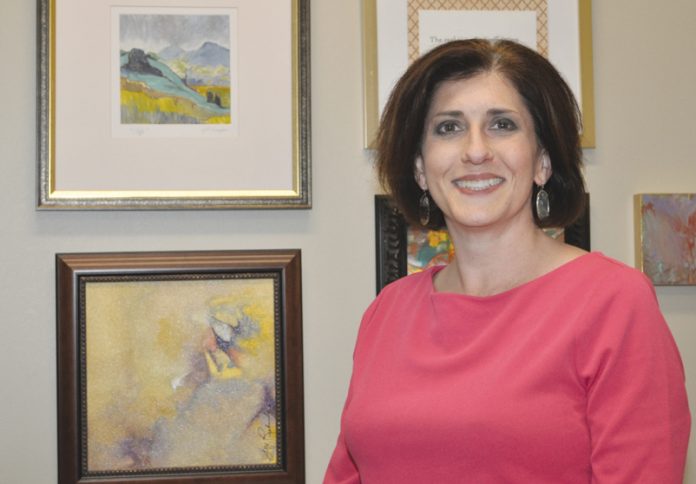
Claire Dowers-Nichols is the Executive Director of Healthy Living and Fitness, Inc. Here, you will be greeted by a friendly staff and a variety of classes to choose from.

by Vickie Jenkins, Staff Writer

Welcome to Healthy Living and Fitness, (Healthy Living OKC) where their vision is to provide state-of-the-art health and wellness services, empowering adults to become avid health consumers responsible for their well-being and fulfillment of their personal goals.
I spoke with Claire Dowers-Nichols, Executive Director. Claire spent her career developing programs to better service older Oklahomans. Most recently, she spent seven years at the University Of Oklahoma Department Of Geriatrics Medicine; she co-founded the Community Relations Director for the Oklahoman Department of Human Services, Aging Services. Claire serves in a variety of leadership and advisory roles for state and national organizations and is devoted to making her community an ideal place for active adults.
“We are the first Healthy Living and Fitness Center in Oklahoma City as far as being a MAPS 3 project. We have been here at this location for about 18 months,” Claire said. “The next location to build one will be in south Oklahoma City. OK. We actually have about 5,275 members now and about 630 of them visit our center every day. The growth in numbers of people has grown so fast. It is amazing! It was an answered need for seniors to have a place like this. We couldn’t be more thrilled!”
I was curious to know why Claire left her job to come work here. She replied with a positive answer. “This is definitely where I want to be. Love it! I have always been interested in the aging process. Now, it seems like aging is such an important part of life. One goal is to make aging sexy! Everyone wants to stay healthy with their diet and exercise. This is just a way of helping things along. Aging is such a wonderful process; it’s a form of self-expression now. Why, we have a member that is 100 years old and she is in better shape than me,” Claire said with a laugh.
The mission at Healthy Fitness and Living is to provide a facility and programming that will improve the physical and emotional wellness of northwest Oklahoma City adults with programs that help adults connect and provide a community through social wellness activities and initiatives, to provide access to professional and recreational physical fitness activities, to provide education and support on current adult related issues, to offer wellness coaching and social programming that will nurture emotional health and to reverse current poor health statistics.
“Let me tell you a little more about Healthy Living and Fitness,” Claire said. “Members are accepted if they are 50 years and older. We offer a variety of classes; the latest and greatest exercise equipment, fitness classes, water aerobics, guitar lessons, ukulele lessons, line dancing, arts and crafts, jewelry making, ballet, belly dancing, Tai Chi, yoga, Zumba, creative writing, drama class…we have just about anything you would want! We also have pool tables, and large rooms that can be rented out for special occasions. There’s even a group that meets each week with someone explaining how to keep up with your grandchildren by learning to use an iPhone. There are 9 different fitness instructors that rotate their schedules. The hours for Healthy Fitness and Living, Inc. are Monday through Thursday 5:30 a.m.-8:00 p.m., Friday, 5:30 a.m.-7:00 p.m. and Saturday 7:30a.m.-4:00 p.m. We are closed on Sundays. Membership cost is $30.00 a month single, $50.00 a month for couples. No annual contract. Payment can be made month to month. Most of our members really like that part,” Claire said.
What is your favorite part of your job? I ask Claire. “I really enjoy the art programs that we have here. When I see the members doing their art work, it is very special. It’s also very therapeutic too. It doesn’t matter if you are with a group of old friends, or a group of new friends, it is good for all; it’s just another way of socializing.”
Claire does a little bit of everything at work. One of her challenges is keeping up with the growing number of members. “It’s a good challenge though, definitely not a problem,” she said with a smile. We try to have at least 4 special events throughout the year.” (Car shows, special events). “Our members come here for several different reasons. Diet and exercise, socializing with others, to lose weight and learn how to eat the right way, to relieve stress, and just to have FUN,” Claire comments.
Who knows…maybe it’s time for ME to take those guitar lessons.

Andy James Named Oklahoma Forestry Services Fire Chief

0
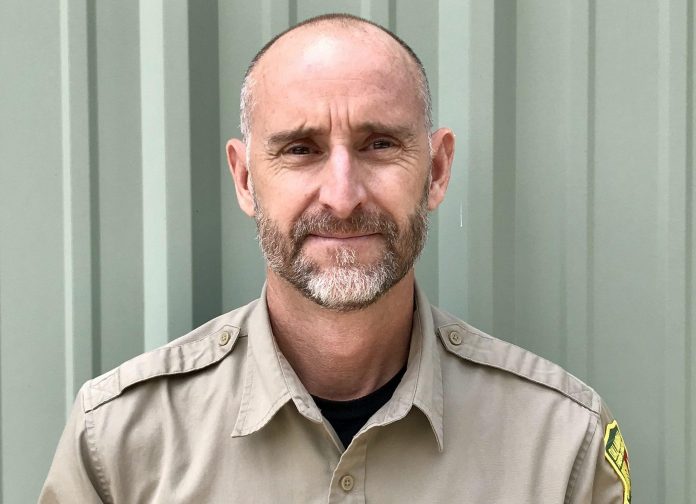
Andy James ,assistant director and fire management chief for the Oklahoma Forestry Services.

Oklahoma Forestry Services announces the promotion of Andy James to assistant director and fire management chief. James will lead the state’s wildfire suppression and mitigation operations, as well as provide leadership for the division’s field operations based out of Tahlequah, Wilburton and Broken Bow.
“As the state’s lead agency for wildfire suppression, the role of fire chief is critical,” said Director of Oklahoma Forestry Services and State Forester Mark Goeller. “We are fortunate to have someone as knowledgeable and experienced as Andy ready to step into that role. He will do a phenomenal job.”
A 22-year veteran of Oklahoma Forestry Services, James previously served as the area forester for Community Fire Assistance programs, providing assistance to rural fire departments and communities. Prior to that he has served in a variety of positions including leading the Southeast Area operations located in Broken Bow, service forester in Wilburton and district forester in Jay. Wildland firefighting has been a big component of all of his positions with Oklahoma Forestry Services.
Throughout his forestry career James has focused on wildland fire suppression and management, not only in eastern Oklahoma, but across the state as a task force leader, division supervisor and operations chief for the OFS Interagency Type 2 Incident Management Team.
“I am excited about the opportunity to represent Oklahoma Forestry Services on a state and national level,” said Andy James. “We have made great strides as a wildfire agency over the last few years and I look forward to continuing those efforts.”
In addition to his duties with Oklahoma Forestry Services, Andy is a member of the Northern Rockies National Type 1 Incident Management Team, and is qualified as an operations section chief, type 2 and an operations section chief, type 1 (trainee). He is also a member of the Fuels Management Committee of the National Wildfire Coordinating Group and the Oklahoma Statewide Mutual Aid Working Group.

SAVVY SENIOR: Does Medicare Cover Weight-Loss Treatments?

0

Dear Savvy Senior, Does Medicare cover any weight-loss treatments for overweight retirees? I just turned 65 and need to lose about 100 pounds and would like to know if Medicare can help. Overweight Owen 

Dear Owen,
Yes, traditional Medicare does indeed cover some weight-loss treatments like counseling and certain types of surgery for overweight beneficiaries, but unfortunately it doesn’t cover weight-loss programs or medications. Here’s what you should know.
Who’s Eligible
For beneficiaries to receive available Medicare-covered weight-loss treatments your body mass index (BMI), which is an estimate of your body fat based on your height and weight, must be 30 or higher.
A BMI of 30 or above is considered obese and increases your risk for many health conditions, such as some cancers, coronary heart disease, type 2 diabetes, stroke and sleep apnea. To find out your BMI, the National Institutes of Health has a free calculator that you can access online at nhlbi.nih.gov/health/educational/lose_wt/BMI/bmicalc.htm.
What’s Covered
If you find that your BMI is 30 or higher, Medicare Part B will cover up to 12 months of weight-loss counseling conducted by a medical professional in a primary care setting (like a doctor’s office).
Most counseling sessions entail an initial obesity screening, a dietary assessment and behavioral therapy designed to help you lose weight by focusing on diet and exercise.
Medicare also covers certain types of bariatric and metabolic surgery for morbidly obese beneficiaries who have a BMI of 35 or above and have at least one underlying obesity-related health condition, such as diabetes or heart disease. You must also show that you’ve tried to lose weight in the past through dieting or exercise and have been unsuccessful.
These procedures make changes to your digestive system to help you lose weight and improve the health of your metabolism.
Some common bariatric surgical procedures covered include Roux-en-Y gastric bypass surgery, which reduces the stomach to a small pouch that makes you feel full even following small meals. And laparoscopic adjustable gastric banding, which inserts an inflatable band that creates a gastric pouch encircling the top of the stomach.
What’s Not Covered
Unfortunately, original Medicare does not cover weight-loss programs such as fitness or gym memberships, meal delivery services, or popular weight-loss programs such as Jenny Craig, Noom and WW (formerly Weight Watchers).
Medicare also does not cover any weight-loss drugs, but it does cover FDA approved diabetes drugs that have unintentionally become very popular for weight loss.
Medicare Part D plans cover Ozempic and Mounjaro for diabetes only, not for weight loss! So, your doctor will need to prescribe these medications for diabetes in order to get them covered.
Medicare also does not cover Wegovy or Zepbound because they’re approved only for weight loss.
The reason behind the weight-loss drug omission is the Medicare Modernization Act, which specifically excluded them back when the law was written 20 years ago. They also excluded drugs used for cosmetic purposes, fertility, hair growth and erectile dysfunction.
Medicare Advantage
If you happen to be enrolled in a private Medicare Advantage plan, you may have coverage for gym memberships and some weight loss and healthy food delivery programs. These are considered expanded supplemental benefits and have gradually been added to some plans to provide coverage for nutrition, health and wellness. Contact your plan to see what it provides.
Send your senior questions to: Savvy Senior, P.O. Box 5443, Norman, OK 73070, or visit https://savvysenior.org. Jim Miller is a contributor to the NBC Today show and author of “The Savvy Senior” book.

Certain veggies may prevent eye disorder, OMRF scientist finds

0
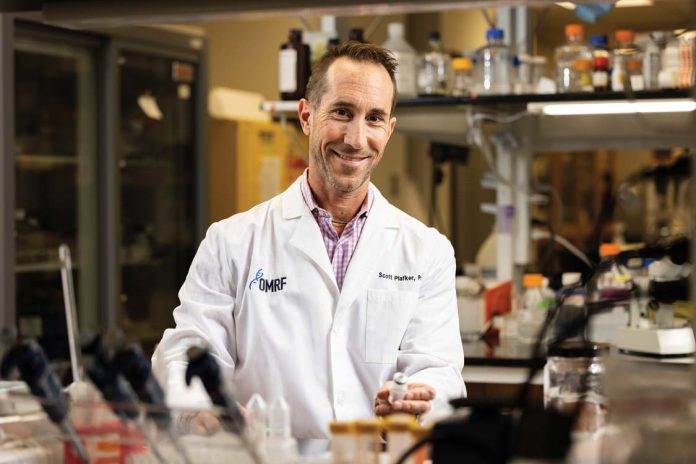
Oklahoma Medical Research Foundation scientist Scott Plafker, Ph.D.

Remember being told as a kid that eating your carrots would improve your eyesight? While a diet containing carrots promotes good vision, your eyes may benefit even more by eating broccoli, kale or Brussels sprouts.
That’s the assessment of Oklahoma Medical Research Foundation scientist Scott Plafker, Ph.D., who recently found that a compound in cruciferous vegetables shows the potential to prevent age-related macular degeneration.
In research models, the compound sulforaphane preserved the function of light-sensitive cells in the retina. These cells, called cones, are responsible for color vision by sending signals to the brain, which then translates the signals into color.
Macular degeneration occurs when these cells die, causing blind spots and blurry or distorted central vision. It can worsen over time, affecting a person’s ability to read, drive and recognize faces.
The most common treatment for the eye disorder is “handfuls of vitamins and antioxidant supplements,” Plafker said. Sulforaphane is a natural antioxidant, he said, but it typically is not part of the suggested cocktail for macular degeneration.
“This compound has previously shown the ability to help our cells defend themselves from oxidative stress,” Plafker said. “In these experiments, sulforaphane provided that defense to the retina.”
Sulforaphane is found in cauliflower, radishes, broccoli and other members of the cabbage family. It also is available as a supplement, but Plafker said research has shown it offers more value in its natural form, whether fresh, frozen or canned.
Scientists have conducted numerous clinical trials testing sulforaphane’s benefits on medical issues ranging from autism and schizophrenia to enlarged ovaries and prostate cancer. Plafker’s lab was the first to demonstrate its potential to recover cone function.
Macular degeneration is the leading cause of irreversible vision loss in older adults, affecting more than 10 million people in the U.S., according to the American Macular Degeneration Foundation. The risk increases with age. For those 75 or older, the risk of developing macular degeneration is 1 in 3.
“Dr. Plafker’s findings raise the intriguing possibility that a well-known compound present in many vegetables may protect against vision loss as people age,” said OMRF Vice President of Research Rod McEver, M.D. “Considering there are no treatments for most people with macular degeneration, this is an especially compelling discovery.”
More research is needed to better understand how and why cells in the eye benefit from sulforaphane, Plafker said, and whether that benefit extends universally or only to a subset of potential macular degeneration patients.
But for now, Plafker said, lean into green. “A diet rich in vegetables like broccoli, kale and cabbage has health benefits as far as the eye can see.”
The findings were published in the journal Molecular Vision. The research was supported by grant 1 R01EY024944-01A1 from the National Eye Institute, part of the National Institutes of Health, and grants from the Oklahoma Center for the Advancement of Science and Technology and the Presbyterian Health Foundation. Scientists at the University of Alabama, Birmingham, contributed to the research.

RSVP announces $15,000 grant from OKC Foundation

0

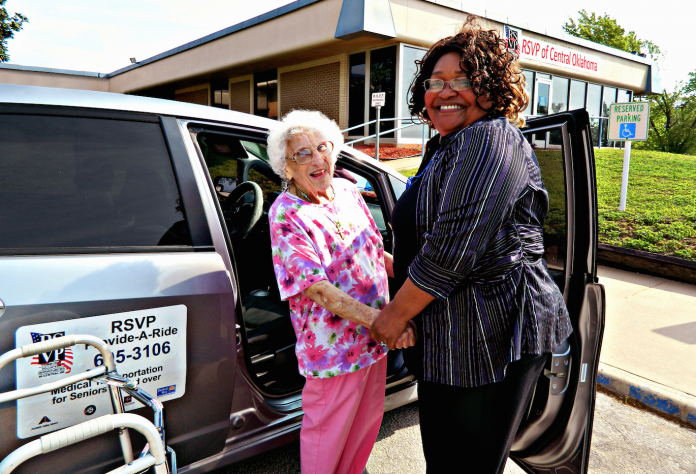
RSVP of Central Oklahoma is pleased to announce it received a $15,000 grant from the Oklahoma City Community Foundation and its Services for Elderly iFund grant program. The grant is being used to support the RSVP Provide-A-Ride medical transportation program for low-income older adults.
“Older adults who are no longer able to drive depend on RSVP Provide-A-Ride volunteer drivers to receive safe and reliable rides to and from their medical appointments; and the generous grant received from the Oklahoma City Community Foundation is playing an integral part in helping hundreds of older Oklahomans remain healthy and live independently in their own homes” states Beth Patterson, Executive Director of RSVP.
RSVP of Central Oklahoma has served older adults and the nonprofit community for 42 years. The mission of RSVP is to enrich the lives of semi-retired and retired people by linking them with rewarding and meaningful community volunteer opportunities. Presently 750 RSVP volunteers serve 136 local nonprofit organizations that depend on volunteers to meet their agency mission and the needs of their clients. During the past year RSVP volunteers contributed 150,000 service hours to help make our community a better place to live.
RSVP is a part of the Corporation for National and Community Service and a proud partner agency of United Way of Central Oklahoma. The Oklahoma City Community Foundation was founded in 1969 and works with donors and organizations to create endowments that address needs and opportunities within our community. The Services for Elderly iFund grant program represents a compilation of contributions from donors who want to support grants to help keep senior citizens safe and living independently in their own homes. For more information on the iFund grant program, please visit www.ifundokc.org. For more information on the Oklahoma City Community Foundation please visit www.occf.org.
RSVP is accepting volunteer applications from persons age 55 and older who are interested in sharing their time, skills and talents to make a difference in the lives of others. Please visit rsvpokc.org or telephone 405-605-3110.

Flying high: Senior recalls WWII

0
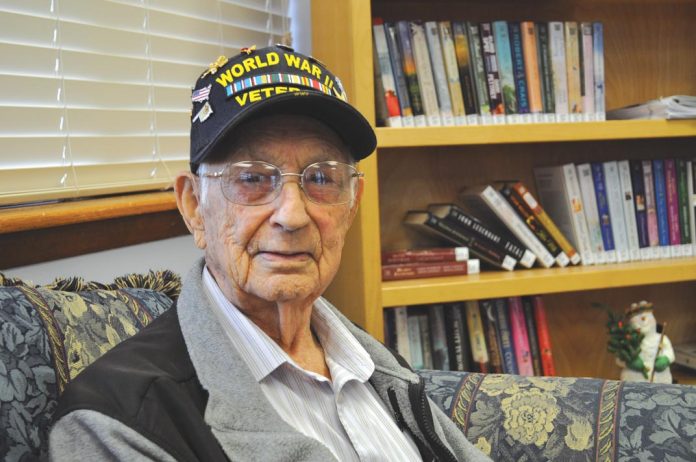
At 98, Raymond Duncan still recalls his experiences as a bomber mechanic during World War II.

story and photos by Bobby Anderson, Staff Writer

A couple months ago, Raymond Duncan drove up to El Reno to accept a hand-made-quilt commemorating his military service.
Membership in three difference veterans organizations makes Duncan well known in World War II circles.
And even at 98, he remembers much of what he did like it was yesterday.
Duncan entered into the service in 1942, the year before 5.1 million American young men were drafted.
“No, I volunteered,” he said.
Living in Oklahoma City and working at an auto salvage company, Duncan heard the news that Pearl Harbor had been bombed.
“They were fighting on both sides of this country. I knew I had to be in it,” he said of his later enlistment.
He spent 18 months to the day in the aerial warfare service branch, which would later become the U.S. Air Force.
From Ft. Still to Florida then to Tulsa for aircraft mechanic school he eventually found himself in the 487th Heavy Bombardment Group.
After three months of training in New Mexico his unit was shipped to Europe and Lavenham Air Force Base.
The British vessel the Duchess of Bedford took Duncan and his unit across the pond.
“We led the largest air raid during World War II,” he smiled of the Dec. 24, 1944 air raid that included more than 1,400 B-24s.
That raid – targeting the airfields at Babenhausen, Germany – was led by Brigadier Gen. Frederick Castle.
Castle was air commander and leader of more than 2,000 heavy bombers in the strike. En route to the target, the failure of one engine forced him to relinquish his place at the head of the formation.
In order not to endanger friendly troops on the ground below, he refused to jettison his bombs to gain speed and maneuverability. His lagging, unescorted aircraft became the target of numerous enemy fighters which ripped the left wing with cannon shells, set the oxygen system afire, and wounded 2 members of the crew.
Repeated attacks started fires in 2 engines, leaving the Flying Fortress in imminent danger of exploding. Realizing the hopelessness of the situation, the bail-out order was given. Without regard for his personal safety he remained alone at the controls to afford all other crewmembers an opportunity to escape.
The raid would earn Castle the Congressional Medal of Honor.
Duncan’s days were spent on the ground working on B-24s and B-17s, the latter he still wears an emblem to commemorate on his belt buckle.
He built himself a hut a few feet away from the airplane he would be working on. The accommodations – made out of plywood boxes that carried bombs or tools – were better than the barracks he figured.
The bombers would go out, deliver their payload and come back.
Sometimes they wouldn’t.
“It was more of a solemn situation,” he said. “I never knew who was going to fly my airplane. I didn’t have any idea what would happen. I never knew the 15 months I worked there that I lost a B-24.”
“They were shot down 60 miles southwest of Brussels. I just found out a few years ago on the Internet.”
When he exited the service he arrived in Florida and grabbed the last bus headed home.
“When I got on the bus it was already loaded. I stood up on that bus all night long until we got to Mississippi or Alabama until I finally got a seat,” he said.
Back in Oklahoma, he found a job at Tinker Air Force and eventually rose to the position of supervisor of maintenance and the task of unofficially leading 11,000 workers since he only had a business college degree and not a four-year college degree.
Nevertheless, he spent 27 years at Tinker as a civilian.
Along the way he married and had two girls.
Looking back, he still struggles with wrapping his head around what happened.
“Indirectly, I can say truthfully that I was responsible for killing more people in the war than anybody in Oklahoma,” he says. “Now the Bible says ‘thou shall not kill.’ I don’t know how to feel about that.”
“It’s hard, but there’s nothing I can do about it.”
It was nearly a decade ago that Duncan received a package in the mail with a Presidential citation and a box full of medals his service had earned him.
“I’ve tried to write down a lot of this history I’ve got stitched here and there,” he said.
Most days you’ll find him at the Warr Acres Senior Center.
“This is my home away from home,” Duncan said of his morning domino and coffee stop.
But no matter where he’s at, he’ll never forget what brought him to this point.

https://vbank.com/

Social

0FansLike
0FollowersFollow
0SubscribersSubscribe