The National Institutes of Health has awarded the Oklahoma Medical Research Foundation a five-year, $3.1 million grant for research aimed at reducing the main cause of death from infection.
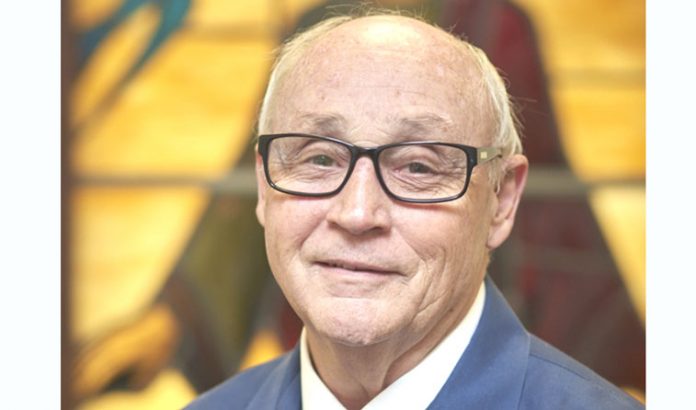
OMRF scientist Florea Lupu, Ph.D., hopes his research leads to a new therapeutic treatment for sepsis, which kills about 270,000 people per year in the United States — more than lung cancer, breast cancer and drug overdoses combined.
“We are targeting a specific part of the immune system called the ‘complement system,’ which helps clear away bacteria in early sepsis but then becomes detrimental and contributes to organ failure,” Lupu said.
Sepsis occurs when the immune system overcompensates for an underlying infection, most commonly in the lungs, urinary tract, skin or gastrointestinal tract. If not treated early, this overcompensation causes widespread blood clotting and ultimately septic shock, which is characterized by severe loss of blood pressure leading to multiple organ failure.
According to the World Health Organization, globally, sepsis accounted for 11 million or 20% of all deaths in 2017, the most recent year for which data is available.
Lupu’s lab will build upon his prior research of the complement system’s role in sepsis. The work will focus on two infections that often trigger the condition: E. coli and staph.
The complement system is a large protein network in plasma. Those proteins are activated to form a cascade response to fight infection. However, one of these proteins, known as C5, morphs from friend into foe during sepsis by killing healthy cells and causing inflammation.
Lupu hopes to pinpoint the moment when C5 turns traitor and then target it with a drug that inhibits activation.
“The timing for an inhibitor is crucial,” Lupu said. “If you try to block C5 too early, you also block the clearance of bacteria. If you go in too late, it’s probably not helpful because the damage is already done.”
Lupu also hopes to determine the value of treating sepsis early with a blood thinner before shifting to a C5 inhibitor. Both drugs would be used in tandem with antibiotics, Lupu said.
“Sepsis progresses very quickly,” Lupu said. “Once it reaches the point of septic shock, the odds of survival decrease by 8% for each hour of delay in treatment. So that’s the biggest challenge – finding that narrow window to a successful outcome.”
The grant, 1R01AI168355-01, is funded by the National Institute of Allergy and Infectious Diseases, part of the National Institutes of Health.
OMRF receives $3.1 million for sepsis study
RSVP of Central Oklahoma Welcomes New Board and Advisory Council Members
The Retired Senior Volunteer Program (RSVP) of Central Oklahoma announces new members to its board of directors, Maria Fernanda, and to its advisory council, Jamie Jeter.
Fernanda is the Community Outreach Specialist with Blue Cross/Blue Shield of Oklahoma. She holds a bachelor’s degree in family studies from Southern Nazarene University. She serves on the board of Possibilities Inc.; Calm Waters, serving on the fundraising committee; and the United Way of Central Oklahoma, serving on the allocation committee. She has served as a member of the Calle Dos Cinco civic group and served on the Citizens Advisory Board for the City of Oklahoma City. In addition, she has volunteered with Hilltop Pediatrics and the Integris Mobile Clinic.
RSVP of Central Oklahoma welcomes back seasoned advisory council member Jamie Jeter, who previously served a three-year term on the advisory council. Jeter retired from working in contracting and finance at Tinker Air Force Base after 37 years, serving in management the last eight years of her career. She is an avid volunteer, serving at Alliance Health, Midwest City, as auxiliary treasurer and office manager and a strong supporter of RSVP’s mission.
Since 1973, RSVP of Central Oklahoma has helped older adults continue to live with purpose and meaning by connecting them with rewarding community volunteer opportunities, including RSVP’s Provide-A-Ride Senior Transportation Program. RSVP is a partner of AmeriCorps Seniors and the United Way of Central Oklahoma. To learn more about RSVP of Central Oklahoma, call 405-605-3110 or visit rsvpokc.org. You can also follow RSVP on Facebook at facebook.com/RSVPokc.
SAVVY SENIOR: What to Do with Cremated Ashes
Dear Savvy Senior, A while back I saw an article on different ways to scatter a person’s ashes after they’re cremated, but I’ve misplaced it. Can you help me with this? I’m preplanning my funeral and would like to include instructions on what to do with my remains that my family will appreciate. Planning Ahead
Dear Planning,
There’s no shortage of options when it comes to handling or disposing of your cremated remains after you’re gone. Your family can keep, bury or scatter them in a variety of imaginative ways that reflect your life and personality. Here are some different options to consider.
Scatter them: The most popular option is to have your ashes scattered at a location you loved to be i.e., a favorite fishing spot, camping area, golf course, beach, park or at home. If you choose this route, keep in mind that some places, such as national parks, require a permit. And many public areas, like parks or sports stadiums may prohibit scattering.
Store them at home: Many families choose to keep their loved ones close, by storing them at home. If you and your family choses this option, you can purchase a decorative urn through your funeral provider or online at Amazon.com. Or you may want to use an old cookie jar or favorite container that reminds your family of you.
Bury/inter them: The burial option is good if you wish to have a special place for your family to visit. This is also the only option for cremated ashes sanctioned by the Catholic Church, which specifies that ashes of the dead should be kept in sacred places like a cemetery or a columbarium and not kept at home or scattered.
Plant them: If you’re the environmental type, you can have your ashes planted with a tree. There are companies that offer living urns – like TheLivingUrn.com or UrnaBios.com – that mix your ashes with other nutrients that can be used to grow a plant or tree in your yard or a place of your choosing.
Scatter them at sea: If you love the water, there are many businesses that offer ash scattering services at sea, especially close to coastal areas, or your family could rent a boat and do it themselves. There are also companies like EternalReefs.com that offer reef memorials so your ashes can rest on the ocean floor.
Scatter them by air: This option will scatter your ashes into the sky so the particles can be taken by the wind. To do this, they could hire a private plane, helicopter or hot air balloon service, or use a balloon scattering service like Mesoloft.com. Or they could even send your ashes into outer space with Celestis.com.
Turn them into a record: If you love music, a UK company called Vinlyly (Andvinyly.com) will turn your ashes into a vinyl record. You supply the music (or voice recording) and cover image, and the company creates a memorial that your family can listen to for years to come.
Turn them into jewelry or glass: If you love jewelry or glass trinkets, there are companies – like CloseByMeJewelry.com, SpiritPieces.com and ArtFromAshes.com – that will turn your ashes into wearable jewelry or glass art memorials.
Go out with a bang: If you’re a hunter or a gun lover, a company called Holy Smoke (MyHolySmoke.com) will create loaded ammunition out of cremated remains. Your family could store the ammo in the engraved wooden box it comes in, or they can send you off in a gun salute.
Turn them into art: If you love art, arrange for an artists or family member to paint your portrait, or a picture, with some of your ashes mixed into the paint. Or, if your family is into tattoos, many tattoo artists will mix some ashes with ink to create a memorial tattoo.
Send your senior questions to: Savvy Senior, P.O. Box 5443, Norman, OK 73070, or visit SavvySenior.org. Jim Miller is a contributor to the NBC Today show and author of “The Savvy Senior” book.
TINSELTOWN TALKS: Sharon Gless writes of rewarding, challenging Hollywood journey


By Nick Thomas
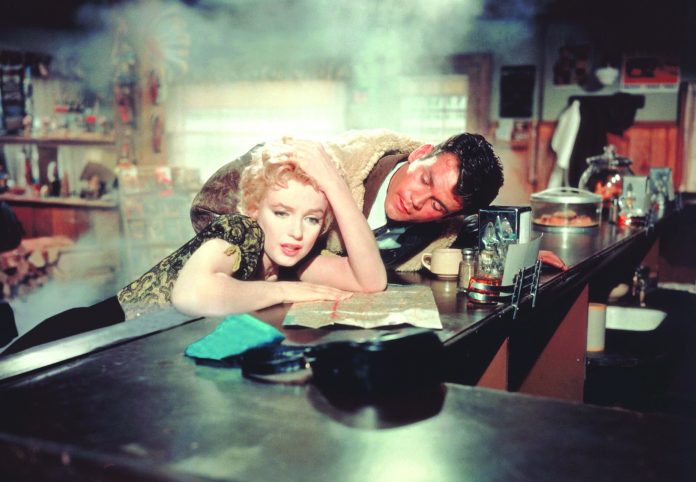
Not even a youthful warning from her grandfather, a powerful entertainment attorney during the Golden Age of film, could prevent Sharon Gless from attempting the journey to Hollywood.
Neil S. McCarthy, who counted Cecil B. DeMille, Katharine Hepburn, and Lana Turner among his clients, cautioned his young granddaughter that the movie industry could be a “filthy business.” Aided by loyal friends and associates, however, as well as possessing a fierce determination to succeed, Sharon beat the odds to find stardom as recounted in her December autobiography “Apparently There Were Complaints” (see www.sharongless.com).
Appearing in just a half-dozen feature films, Gless focused her career on television. Since 1970, she guest-starred in numerous TV movies and series and received wide acclaim for starring roles in several popular shows including the 80s CBS crime drama “Cagney & Lacey.”
“It changed the history of television for women,” said Gless from her home on private Fisher Island, a short ferry ride from the coast of Miami. Gless portrayed New York detective Christine Cagney alongside Tyne Daly (detective Mary Beth Lacey). The tough but flawed duo regularly dealt with serious social issues.
During the show’s run, Gless and Daly dominated the Emmy season, winning for Best Lead Actress in a Drama each year (four for Daly and two for Gless). Of her co-star of six years, Gless has only praise.
“You might think we’d be competitive on the set, but not at all,” she said of Daly. “When you’re working, any sort of competitiveness is good for no one. She was a real pro and we were totally there for each other throughout the series. Since COVID, we talk on the phone almost every day.”
Gless credits others for guiding her journey including Monique James, head of the talent department at Universal Studios where Gless was under a seven-year contract. “She was so tough I always felt she would protect me, and she did. When I left the studio, she came with me as my manager for many years.”
Barney Rosenzweig was the executive producer of “Cagney & Lacey” and with whom Gless began an affair towards the end of the show’s run. Despite their on-and-off-again personal relationship, Rozenzweig remained a loyal supporter of Gless’s career. The couple would eventually marry and remain together today. “We have an interesting history together that’s outlined in the book, but love and respect each other enormously.”
Gless followed the hit crime show with other successful series such as “The Trials of Rosie O’Neill,” “Queer as Folk,” and “Burn Notice,” receiving multiple award nominations or wins including a Golden Globe for Rosie O’Neill. And although she stumbled along the way (leading to the title of her book) with alcohol problems, weight issues, recurring pancreatitis, and complicated relationships, she never found Hollywood to be the “filthy business” her grandfather labeled it.
“It hasn’t always been an easy road, but I made my own way helped by people who believed in me,” she says. “Television is an amazing medium and I’ve been fortunate to be part of it.”
Nick Thomas teaches at Auburn University at Montgomery, in Alabama, and has written features, columns, and interviews for numerous magazines and newspapers. See www.tinseltowntalks.com.
Blessings of a hospice nurse

Check your pride at the door
by James Coburn – Staff Writer
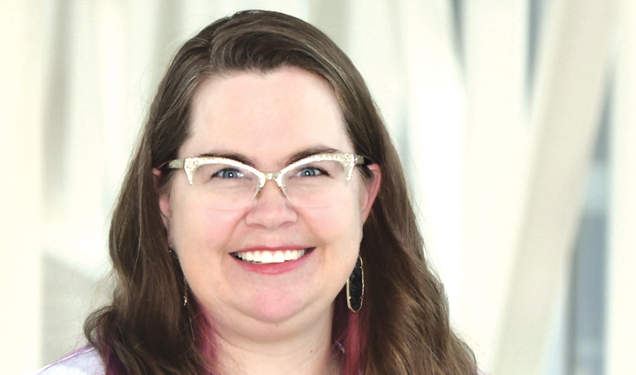
Wendy Young knew she wanted to be a hospice nurse before attending nursing school. She has been with Frontier Hospice for nearly five years and serves as a case manager in the Oklahoma City metro.
“Everybody said, ‘Oh, you’re going to change your mind. You’re going to learn about all these different types of nursing and change your mind.’ I never did, but one thing you ran into at that time was you had to have nursing experience before you could be considered for a position,” said Young, a registered nurse.
She began her career in health care after earning her LPN credentials at Canadian Valley Technology Center in El Reno. After serving as an LPN for three years she earned her Associate in Applied Science degree to become a registered nurse after graduating from Oklahoma City Community College. Her nursing experience includes working for the Veterans Administration in Norman, and workers compensation. Having served as director of nursing at Shannon Springs Nursing Home in Chickasha helped her move to hospice care, she said.
“I have a strong belief that none of us are brought into this world alone and none of us should leave this world alone,” Young said. “I think that for families it can be one of the hardest things they ever do — being with a family member and going through that in a home setting — it can also be one of the most beautiful and precious things they can ever do for a loved one. I think being in an environment where you’re familiar with the smells and the sounds and the people that you love — I hope when it’s my turn that my family will give me that gift.”
Young’s mother was one of 12 children. So, she has many uncles and aunts who are elderly. Being a hospice nurse serves mostly older adults, but also younger people. Young embodies a natural affinity with the elderly. She affectionately calls them her LOLs and LOGs, meaning little old ladies and little old guys.
One of her opportunities she is most proud of by working for Frontier Hospice is they will go above and beyond in helping a patient or family in need.
“We have several non-funded patients that Frontier covers the cost of their care,” Young explained. “If you have entered that time of your life where you’re at the end of your life, it shouldn’t matter if you have insurance or Medicare or what not. That brings in a human aspect for me that we are all people, not just names and numbers.”
Young is grateful for the caring hearts of her coworkers that compliments her need to be compassionate as well, she said.
Her advice to anyone considering a career in hospice is to be in touch with your compassion. Be prepared with the technical aspects of palliative care, but at the end of the day a hospice nurse should always share their love with people, she said. It’s vital to willingly accept people where they are in their life’s journey.
“This is not my story. This is their story,” she said. “And I’m just being allowed to be a part of that story.”
A hospice nurse needs to check their pride at the door, shine with unconditional love and understand they are becoming part of their patient’s lives.
A hallmark of Frontier Hospice is offering holistic care for the entire person. Nursing support involves 24/7 care. Young is always a phone call away for those needing help. Nurse aides provide hygiene care for people. A non-denominational chaplain service is available for anyone seeking spiritual support. Social workers help families navigate helpful sources to ease life.
“If their goal is to stay in the home, we try everything we can to make that happen for someone,” Young said.
She has a support team out in the field whenever she has a concern. But the work is not drudgery. Young believes she works with one of the most loving groups of nurses in the state of Oklahoma. Nurses discuss their patients’ individual needs during staff meetings. The nurses share their stories of humanity.
“I know that in the field if I have a problem that needs solving, I have five or six people I can immediately call,” she added. ”I admire that a lot, and everybody knows that we are all a team.”
The question of why hospice was recently asked of the nursing staff to explain at a recent meeting.
“To my knowledge I’ve never had a family member on hospice services,” she said.
Young recalls hearing the term, hospice, mentioned for the first time at the VA.
“Outside of that I just knew. I know that I am called to this field. I believe when it gets down to it, this is one of the purest forms of nursing. I’m not trying to fix anybody, I’m just trying to care and help keep people comfortable,” Young said.
The goal of hospice is comfort and quality, she pointed out.
“I feel really blessed and that’s something I am sure of,” Young said.
For more information visit www.frontierhospice.com or call 405-789-2913 (Moore location) or 405-395-2184 (Shawnee location).
GREG SCHWEM: Anybody have a Barry Manilow mask?
by Greg Schwem
Sorry, New Zealand Parliament. While I support mask mandates, my allegiance is also to Barry Manilow.
Last week, while attempting to disperse anti-mask protesters who gathered outside the government’s headquarters in Wellington, New Zealand, Parliament officials resorted to a rather, um, unique tactic: blasting the songs of Barry Manilow, the guy who writes the songs.
Had I been part of the protest, I would have politely tapped a Parliament member on the shoulder and said, “Please turn up the volume. And don’t just limit it to the hits. Dig deeper into the Manilow catalogue. Get my blood flowing with a little ‘Riders to the Stars’ and then tug at my heartstrings with ‘Lonely Together.’”
Admit it, we all have that one artist we’re secretly embarrassed to admit we admire. For me, it’s Barry. Yes, I am on a first name basis with him. Deal with it, haters! You have your Kanye; I have my Barry.
I’ve been a Barry fan since winning tickets, via a radio station giveaway, to a Manilow — sorry, a Barry — concert at Chicago’s Auditorium Theatre in January 1977. Snippets from that tour can be found on “Barry Manilow Live,” the album cover featuring Barry in a royal blue, sequin-studded outfit that he probably was lowered into via hydraulics.
Not only did Barry deliver the hits but he also entertained his fans by singing his “VSM” (Very Strange Medley), a series of well-known commercial jingles that Barry either wrote or sang before the big bucks came his way with “Mandy” and “It’s a Miracle.” Seriously, how many artists can have an entire audience singing, “Get a bucket of chicken, finger lickin’ good, have a barrel of fun, goodbye ho-hum”?
Who knows? Parliament may have waved the white surrender flag and allowed the entire country to discard their masks had protesters begun crooning those lyrics.
If your goal is to annoy an audience, you can’t play the music of somebody who, at 78, is still packing them in, either on the road or at his Las Vegas residency, despite a raspy voice and far too much plastic surgery. Similar stars approaching octogenarian status don’t receive that kind of treatment. I’m sure it never entered Canadian Prime Minister Justin Trudeau’s mind to remove Ottawa truckers from blocking the Canada-U.S. border by blasting Elton John. Or the Rolling Stones.
So, why single out Barry? His songs too are ingrained in our mental jukeboxes, even if we’re afraid to say it. Several years ago, I saw one of those pedal bar tours — basically a keg party on wheels — making its way through downtown Chicago. Its passengers, all half of Barry’s age and in various stages of inebriation, were singing, “Her name was Lola, she was a showgirl…” in whatever key was comfortable.
Nobody asked them to disperse.
In Parliament’s defense, officials did choose other tunes besides Barry’s. “Macarena,” the Los Del Rio song that spawned a dance craze in 1996, got numerous spins and, yes, that would have had the desired effect on me. I probably would have offered to not only wear a mask but distribute masks if it meant never having to hear it again.
Barry songs are played often but not ad nauseum, making them unlikely “nails on a chalkboard” candidates. Next time Parliament, consider the following:
“Call Me Maybe” by Carly Rae Jepsen.
“Blurred Lines” by Robin Thicke.
“All I Want for Christmas” by Mariah Carey.
Anything by the Spice Girls.
Just leave Barry alone to do his thing while he still can. His concerts are bucket list candidates for fans of a certain age, and even younger audience members who get dragged to see him usually end up singing along at some point. I have hopes that my daughters, ages 19 and 25, might accompany me to a Barry concert someday.
OK, that would be a miracle. A true-blue spectacle miracle.
(Greg Schwem is a corporate stand-up comedian and author of two books: “Text Me If You’re Breathing: Observations, Frustrations and Life Lessons From a Low-Tech Dad” and the recently released “The Road To Success Goes Through the Salad Bar: A Pile of BS From a Corporate Comedian,” available at Amazon.com. Visit Greg on the web at www.gregschwem.com.
You’ve enjoyed reading, and laughing at, Greg Schwem’s monthly humor columns in Senior Living News. But did you know Greg is also a nationally touring stand-up comedian? And he loves to make audiences laugh about the joys, and frustrations, of growing older. Watch the clip and, if you’d like Greg to perform at your senior center or senior event, contact him through his website at www.gregschwem.com)
INTEGRIS Health Looks at Long COVID and the Heart
Long COVID is a challenging problem for both patients and clinicians. Like much of this pandemic, our understanding about the long-term effects of COVID-19 is evolving and incomplete. Unfortunately, a number of patients who have recovered from COVID-19 will continue with symptoms that last more than two months after recovery.
Typical symptoms of long COVID include fatigue, brain fog, anxiety, shortness of breath, chest tightness and cough. About one third of patients will experience more than one of these symptoms, and between 10 and 70-percent of patients recovering from COVID will experience multiple symptoms.
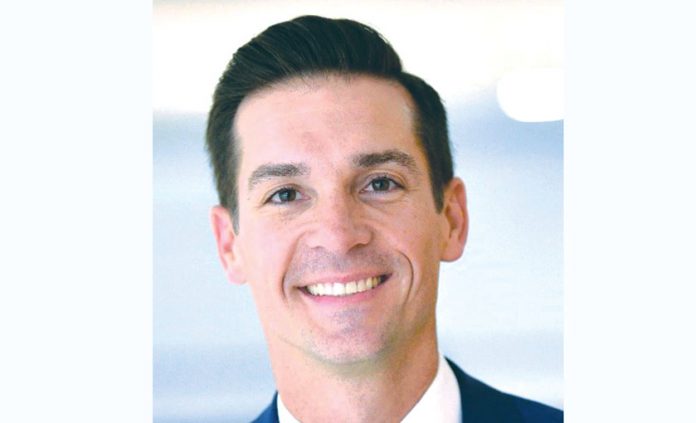
Jon Blaschke, M.D., a cardiologist with the INTEGRIS Heart Hospital, says it is common for hospitalized patients with COVID-19 to have clotting issues including clotting in the lungs, heart attacks, strokes and rhythm disturbances. He says inflammation of the heart is seen as well. “However, after the acute phase of COVID, longer-term, serious cardiovascular problems seem to be infrequent.”
He adds, “We do not have information on risk for vascular events long-term, but most patients who have recovered from COVID have no heart issues or residual vascular problems from the virus even though they may have persistent symptoms.”
But he warns certain symptoms should never be ignored. Patients who are experiencing chest pain, shortness of breath (especially with activity), new or severe fatigue, or swelling should be evaluated by a physician. Red flags to look for include episodes of passing out, or symptoms that are worse with activity.
* In general, patients who are still having symptoms after recovery from COVID should start with an evaluation with a primary care provider. Initial evaluation often includes an EKG and a chest x-ray. In many instances this is enough to provide reassurance.
* Most patients with known cardiac injury (atrial fibrillation, abnormal heart enzymes, inflammation of the heart) from COVID warrant subspecialty evaluation and follow-up. These are generally seen in patients with severe illness (requiring hospitalization), and in general, these patients are already established with a cardiologist.
* Patients who had abnormal chest x-rays or were hospitalized warrant follow-up at a minimum with their primary provider, and most need follow-up x-rays or CT scans. Lung function testing may also be indicated.
In conclusion, Blaschke has this advice, “The single thing I tell all of my patients is the best way to prevent both serious illness including hospitalization and death from COVID, and effects from long-haul COVID is to get immunized and boosted. This applies to both the acute illness and to long COVID. We know that fully vaccinated patients are 23 times less likely to be hospitalized or to die from COVID when compared to those who are not immunized.”
He continues, “The health care community is united and the data is clear, we are counting on our patients to do their part to protect themselves, their families and us, so that we can be there for them, if the need arises.”
Scholarship applications being sought
Scholarship applications are being sought for the 2022 Oklahoma Chapter Hearing Loss Association scholarships. Oklahomans with hearing loss who plan to attend higher education in the fall of 2022 are encouraged to apply. The application deadline is April 4, 2022. This will be the 7th year scholarships have been offered. The local chapter has given away $16,000 to Oklahoma students and this year there will be 3 awards of $1,500 each. The Scholarship Application and Rules are available on our website: oklahomahearingloss.org
The Hearing Loss Association of America Central Oklahoma Chapter is a 501(c)3 tax exempt organization. Our chapter is run entirely by volunteers. There are no paid positions. [HLAA hopes to open the world of communication to people who have a hearing loss by providing information, education, support, and advocacy.]
INTEGRIS Hospice and Palliative Care Services Grief Support Group
INTEGRIS Hospice and Palliative Care Services is hosting a free Grief Support Group facilitated by Chaplain Kelly Russell.
The next series will be on Thursdays from 6:30 – 8 p.m., from March 3 through April 7, 2022. The meetings will be held in the INTEGRIS Health Hospice Administration Building, located at 5710 N.W. 130th Street in Oklahoma City.
If you have lost a loved one, grief is a normal and natural response. Sharing your grief with others and listening to the experiences of others can help you to be heard and know you are not alone in your grief. The program is free of charge, but space is limited. To enroll, please call 405-609-4578 or register online.
To register online, click here: Grief Support Group | INTEGRIS Health (coursestorm.com)
To learn more about our grief support program, click here: https://integrisok.com/locations/hospice-and-home-care/integris-hospice-in-okc/grief-recovery-resources