Monday, December 29, 2025

Greg Schwem: Should your place of residence make you an idiot?

0
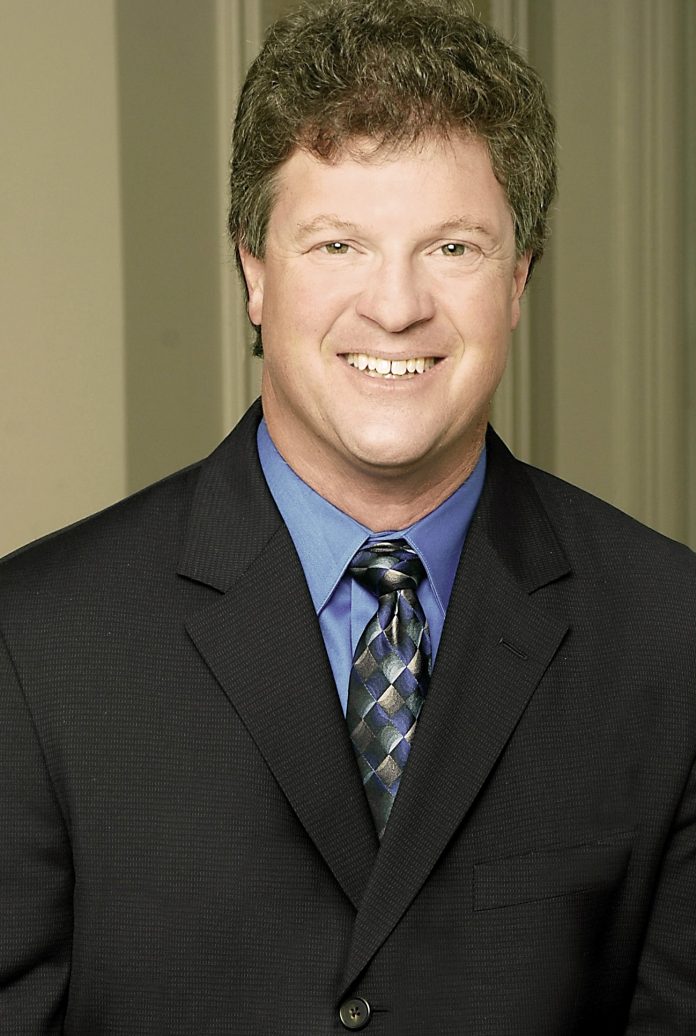
Greg Schwem is a corporate stand-up comedian and author.

by Greg Schwem

While traveling, Greg Schwem has noticed visitors excuse poor behavior by stating their place of residence.

Eight girls, all in their early 20s and adorned with “Birthday Babe” T-shirts, frolicked along the Savannah, Georgia, riverfront amid the city’s St. Patrick’s Day celebration.
“Who’s the birthday girl?” yelled Savannah Mayor Van Johnson, interrupting an interview he was conducting with me.
“This one!” they yelled, pointing to one girl holding a pink beverage.
“Where are your masks?” Johnson said.
“We’re from Florida,” one replied.
“You’re in Georgia now,” Johnson retorted. “Please put them on.”
The girls complied as Johnson briefly stepped away from the camera to pose for a picture. Ironically, we had just been talking about Savannah’s mask mandate, a policy many revelers openly violated in a city known for raucous St. Patrick’s Day celebrations.
The following evening, as I performed stand-up comedy in Savannah’s entertainment district, a clearly overserved woman, in her mid-50s, constantly interrupted my act forcing me, at one point, to ask, “Is it OK if I talk every now and then?”
When the show ended, I slapped on a fake smile as she approached.
“Thanks for coming,” I said.
“I know y’all don’t mean that,” she replied, oblivious to the fact that she was only addressing one person. “But I don’t care. I’m from Georgia.”
In just over 24 hours I had witnessed two instances where state pride was deemed an excuse for risky, and stupid, behavior. I guess it’s time to tear up municipal code enforcement manuals, state regulatory guides and federal law books. Do whatever you want, America. Justify it with your place of residence.
Now of course, this is a humor column so I’m not actually condoning dangerous and illegal activities. In other words, Des Moines natives, don’t cause a miles long traffic jam by driving your John Deere tractor at 10 miles per hour in the middle of Interstate 80 and yelling, “I’m from Iowa!” at frustrated motorists.
But, Brooklynites, feel free to come to Chicago, purchase a slice of deep-dish pizza and fold it on the subway before you consume it. Yes, tomato sauce, cheese and probably a meatball or two will squirt out onto a nearby rider but that’s their problem. You’re from New York.
Conversely, Chicago residents, head to the Big Apple, order a hot dog from a street vendor, take a bite, spit it onto the sidewalk and then refuse to pay because the dog doesn’t contain celery salt. When he looks at you in confusion, show him your driver’s license.
Colorado, when it came to legalizing marijuana, you were trailblazers, no pun intended. But, if you plan to fire up a joint in Alabama, you could be looking at a year in jail and a $6,000 fine. Or you could just tell the arresting officer you live in the land of ski resorts and Coors beer and continue walking toward the 7-11 for a bag of Doritos. I’m sure he’d understand.
According to a 2019 Thrillist survey, Heinz Ketchup is most popular in Pennsylvania, no surprise considering the condiment was invented there. So, Pittsburgh residents, just bring your own bottle into a high-end Nebraska steakhouse and slather it onto that 16-oz T-bone. Better yet, do it in the presence of the chef and say, “NOW it’s perfect.”
Finally, if you are planning to cause a disruption and then proudly announce where you are from, it’s best to be from a state that isn’t known for much of anything. Walk drunkenly into a wedding you aren’t invited to, kiss the bride on the lips and say, “Don’t mind me, I’m from Maine.”
You can make a quick exit while all the guests Google, “wedding traditions in Maine.”
(Greg Schwem is a corporate stand-up comedian and author of two books: “Text Me If You’re Breathing: Observations, Frustrations and Life Lessons From a Low-Tech Dad” and the recently released “The Road To Success Goes Through the Salad Bar: A Pile of BS From a Corporate Comedian,” available at Amazon.com. Visit Greg on the web at www.gregschwem.com.
You’ve enjoyed reading, and laughing at, Greg Schwem’s monthly humor columns in Senior Living News. But did you know Greg is also a nationally touring stand-up comedian? And he loves to make audiences laugh about the joys, and frustrations, of growing older. Watch the clip and, if you’d like Greg to perform at your senior center or senior event, contact him through his website at www.gregschwem.com)

Get Ready for COVID-19 Vaccines: Insurance Coverage and Misinformation

0
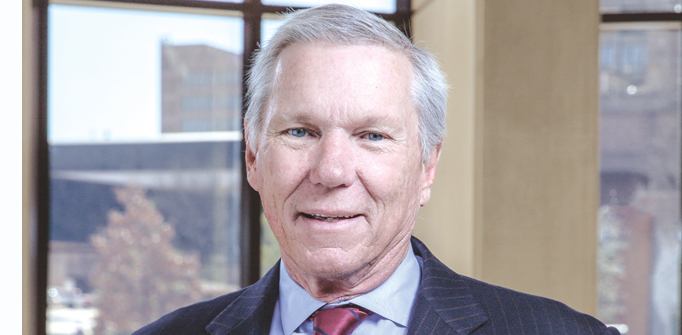
Oklahoma Insurance Commissioner Glen Mulready

Thanks to the Oklahoma State Department of Health (OSDH) and all the front-line workers, Oklahoma has now entered Phase 4 of its vaccine distribution plan. With three COVID-19 vaccines available, all Oklahomans are now eligible for vaccination. As we’re on track to get our “normal” back, I’d like to remind you that the cost of obtaining a vaccine will not be a barrier for Oklahomans, regardless of health insurance status.
The Coronavirus Aid, Relief and Economic Security (CARES) Act, provides funding for the vaccine itself. It also requires most health insurance companies to cover qualifying coronavirus preventive services without imposing any cost-sharing requirements, such as a copay, coinsurance or deductible. If you are covered under Medicare or Medicaid, your vaccine will be paid for by the Medicare’s trust fund. If you don’t have insurance, your vaccine is still covered. Healthcare providers will get reimbursed through the Provider Relief Fund.
If you received an unexpected bill for a COVID-19 vaccine or qualifying associated visit, you should contact the provider or your insurance company and alert them of the error. If you have issues with your health insurance company regarding a bill related to COVID-19, please file a complaint with the Oklahoma Insurance Department (OID) at www.oid.ok.gov/ or contact the Consumer Assistant at 800-522-0071. Also, here are some key takeaways to avoid fraud related to COVID-19 vaccines.
You don’t need to pay to get a COVID-19 vaccine appointment. Visit the OSDH’s website to make your appointment. You can also ask your doctor or provider how to get the vaccine near where you live.
Getting a COVID-19 vaccine is free. Whether you have health insurance or not, the vaccines are always free. Providers can seek reimbursement from your insurance company, but there are no co-pays or cost-sharing. If you’re asked to pay money, contact the OID at 800-522-0071.
You cannot buy a COVID-19 vaccine. Please do not fall for the ads that come via email or pop up on your social media feed offering early access to a vaccine. The vaccine is available only at federal and state-approved locations.
Vaccinations will not impact your life insurance benefits. Life insurance policies clearly spell out what might cause your insurer to deny a benefit. Receiving a COVID-19 vaccine would not void a policyholder’s life insurance coverage. Contact your agent if you have questions or concerns about the details of your policy.
Never give out your personal financial information. No one from a vaccine distribution site, state agency, healthcare provider’s office, insurance company or Medicare will contact you to ask for your Social Security, credit card or bank account number to get the vaccine.
For more insurance information, please contact the Oklahoma Insurance Department at 1-800-522-0071 or visit our website at www.oid.ok.gov.

U.S. News & World Report Ranks OU College of Medicine One of Nation’s Best in Several Areas

0

The University of Oklahoma College of Medicine has been named one of the best medical colleges in the nation in several categories, according to the U.S. News & World Report 2022 Best Graduate Schools rankings. They include primary care education; most graduates practicing in primary care fields; most graduates practicing in rural areas; and most graduates practicing in health professional shortage areas.
The OU College of Medicine is the largest college within the OU Health Sciences Center and is at the center of OU Health, the state’s comprehensive academic health system. The rankings, released March 30, cite the OU College of Medicine as 51st in the nation for excellence in primary care education, which includes the medical specialties of family medicine, internal medicine and pediatrics. The college ranks 60th in the nation for the number of graduates practicing in primary care fields; 44th in the nation for graduates practicing in rural areas; and 44th in the nation for graduates practicing in health professional shortage areas. In addition, the college ranks 74th for its research activity.
The rankings encompass 191 accredited allopathic and osteopathic medical schools in the United States, which grant M.D. and D.O. degrees, respectively.
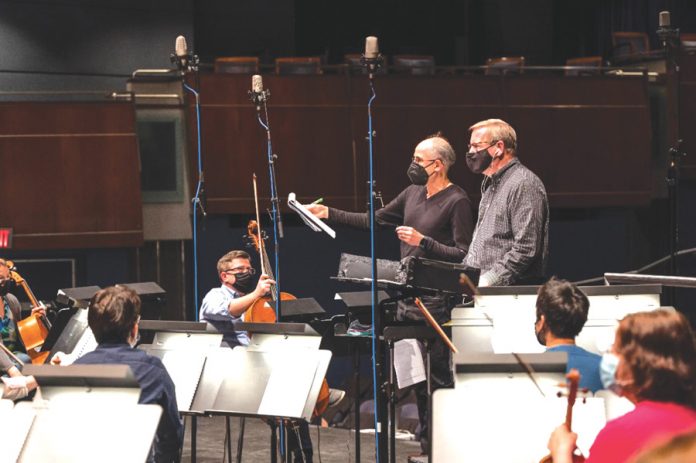
The OU College of Medicine’s rankings underscore its commitment to training the next generation of physicians who will care for patients across the spectrum of life, focusing both on the prevention and treatment of disease, as well as leveraging research to continually improve the standard of care, said John Zubialde, M.D., Executive Dean of the OU College of Medicine.
“We are excited about the U.S. News & World Report rankings because they reflect the hard work of our faculty and staff in educating the physicians of tomorrow,” Zubialde said. “Our ranking in primary care is particularly significant given the breadth of our college departments, which range from primary care to specialty care. Whereas many other medical schools have a singular focus on primary care, our primary care disciplines excel alongside our specialty programs because of the high caliber of our physicians and staff. Each day they are committed to training Oklahoma’s healthcare workforce.”
The OU College of Medicine trains the majority of physicians in Oklahoma, including the most primary care physicians. Many choose to practice medicine in rural and medically underserved areas of the state, where access to services is critical for improving health. The college is also committed to diversity among its students and future physicians – through the Office of Diversity, Inclusion and Community Engagement, students from underrepresented populations across Oklahoma are mentored as they prepare to apply to medical school. Many of those students will choose a career in primary care and will return to their communities to practice medicine.
The college’s ranking in research activity reflects the faculty’s ability to earn federal research grants. Faculty members across the college’s 21 academic departments regularly earn grants from the National Institutes of Health, the U.S. Health Services & Resources Administration, the U.S. Department of Defense, and others. In recent years, the college’s major federal grants include $11 million to create the Oklahoma Center for Microbial Pathogenesis and Immunity, a hub for research into many types of infections and the immune system response, as well as $38 million for suicide prevention research.
“Along with education and patient care, research is a primary mission of the OU College of Medicine,” Zubialde said. “Our faculty members’ success in earning federal grants signifies the value of their research and its potential to improve the practice of medicine. By training in that environment, our students understand that our role is not only to offer high-quality care to our patients, but to define the next standard of care through research discoveries.”
The OU College of Medicine’s main campus is in Oklahoma City at the OU Health Sciences Center, and it has a four-year branch campus in Tulsa, the OU-TU School of Community Medicine. Each year, the college admits approximately 165 students into its four-year program. Since the founding of the OU College of Medicine in 1910, it has awarded the Doctor of Medicine degree to more than 10,000 graduates, many of whom stay on campus for their primary care residency. In addition, the college is the largest educator of physician assistant students in the state, providing approximately 75 new PAs annually.
Students on both campuses train in OU Health outpatient clinics and hospitals and in community settings, where they cultivate the tools to treat patients with a wide range of diseases, from chronic conditions like high blood pressure and diabetes to acute illnesses. Primary care physicians provide much of the healthcare that patients need, and they determine when their patients need to be referred to a specialist.
“For well over a century, OU doctors and health professionals have provided essential care to generations of Oklahomans, fulfilling our university’s core purpose of changing lives,” said OU President Joseph Harroz Jr. “It is incredibly gratifying to see our College of Medicine earn national recognition that reflects our longstanding legacy of training future physicians to advance health with skill, innovation and compassion. As we launch OU Health, this recognition speaks volumes to the future impact we are prepared to have on the health of our state.”
To compile its rankings, the U.S. News & World Report uses several indicators, including an overall quality assessment, students’ grade point average, score on the Medical College Admission Test (MCAT) and college acceptance rates. It also includes a peer assessment score, a residency assessment score, and resources allotted to faculty. The data for the rankings come from statistical surveys of more than 2,012 programs and from reputation surveys sent to more than 20,500 academics and professionals, conducted in fall 2020 and early 2021.

April Foolin’: Debunking five common health myths

0
Shot of a woman drinking a glass of water at home

April Fools’ Day brings its share of gags, but some health hoaxes best us year-round.
In honor of a day filled with practical jokes, scientists at the Oklahoma Medical Research Foundation are taking the air out of five myths as common as the Whoopee Cushion.
1. We should be taking 10,000 steps a day
In 1956, a Japanese company launched a pedometer with a name that translates to “10,000 step meter.” A half-century later, the figure remains ingrained.
“Walking is wonderful for your health, but there’s nothing magic about 10,000 steps,” said OMRF President Stephen Prescott, M.D. Indeed, a 2019 study found that in older women, an increase from 2,700 to 4,500 steps a day correlated with a significantly reduced rate of premature death.
“The important lesson is that taking more steps is always better than fewer,” said Prescott.
2. Being in the cold can give you a cold
For those whose parents insisted they bundle up or else get sick, OMRF immunologist Eliza Chakravarty, M.D., has news. “You will not catch a cold simply from being underdressed for chilly weather,” she said. “You have to be exposed to a virus.”
Although cold and flu cases peak in prevalence during the winter months, you’re more likely to get sick indoors, where germs can easily pass from person to person.
3. Drink eight glasses of water a day
More than 75 years ago, the Food and Nutrition Board recommended people should shoot for consuming 2.5 liters, or about 85 oz., of water per day. But that blanket recommendation ignored one central piece of common sense: Different-sized people have different hydration needs.
Plus, said Prescott, “A lot of the water our bodies need is in vegetables, fruit, coffee and everything else we eat and drink.” He recommends using common sense and letting thirst be your guide. “Your body will tell you when it needs water.”
4. Hold the eggs
The idea that eggs and other high-cholesterol foods are dangerous is a long-held belief. But, said Prescott, “Unless you’re in the small group of people who are very sensitive to dietary cholesterol, there’s no evidence that eating high-cholesterol foods increases a person’s risk of heart disease.”
When it comes to controlling your blood cholesterol levels, it’s saturated fats that need to be kept in check. “A diet high in red meat, butter and cheeses is much more concerning than one that includes an egg a day,” said Prescott.
5. We only use 10% of our brains
The myth that we use just a tenth of our brains has roots as old as Oklahoma’s statehood. In the more than one hundred years since, neuroscience has undergone dramatic advances.
“We know from brain imaging that no area of the brain is unused,” said Prescott. “And logically, brain injuries tell us that damage to any part of the brain can have long-lasting and devastating results.”
The falsehood is thought to have roots in encouraging people to dig into their own potential for self-improvement. The idea isn’t without merit, said Prescott. “Staying mentally engaged as you age is critical. But there are no untapped brain cells to call on to do it.”

SITUATION UPDATE: COVID-19

0

* As of this advisory, there are 437,974 (121 new today) cases of COVID-19 in Oklahoma.
* 334 is today’s 7-day rolling average for the number of new cases reported.
* Today’s Provisional Death Count (CDC/NCHS): 7,846
* Additional hospitalization data can be found in the Hospital Tiers report, published evenings Monday through Friday.
* Register online to receive a notification when you’re eligible to schedule a COVID-19 vaccine appointment at vaccinate.oklahoma.gov, or locate other vaccine opportunities at vaccinefinder.org.
* For more information, visit https://oklahoma.gov/covid19.html.

*The total includes laboratory information provided to OSDH at the time of the report. As a result, counts are subject to change. Total counts may not reflect unique individuals.
***The purpose of publishing aggregated statistical COVID-19 data through the OSDH Dashboard, the Executive Order Report, and the Weekly Epidemiology and Surveillance Report is to support the needs of the general public in receiving important and necessary information regarding the state of the health and safety of the citizens of Oklahoma. These resources may be used only for statistical purposes and may not be used in any way that would determine the identity of any reported cases.
Data Source: Acute Disease Service, Oklahoma State Department of Health. *As of 2021-03-30 at 7:00 a.m.

SAVVY SENIOR: How to Help Your Elderly Parent with Their Finances

0

Dear Savvy Senior,

What tips can you offer on helping an elderly parent with their finances? My 84-year-old father is having trouble keeping up with his bills and insurance, and I just found out that he’s been making contributions to a suspicious charity. Reluctant Daughter

Dear Reluctant,
Many adult children serve as financial helpers to their elderly or ill parents. They provide services like paying bills, handling deposits and investments, filing insurance claims, preparing taxes and more. Here are some tips and resources that can help you help your dad.
Start with a Conversation
Taking on the task of helping an elderly parent with their finances can be a sensitive and difficult topic. The first step in helping your dad is to have a respectful talk with him expressing your concerns, as you stated in your question, and offering to help him with his financial chores. If you have siblings, it can be a good idea to get them involved too. This can help you head off any possible hard feelings, plus, with others involved, your dad will know everyone is concerned.
Get Organized
If your dad is willing to let you help manage, monitor or take over his financial affairs your first order of business is to get organized by making a list of his financial accounts and other important information. Your list should include his:
* Contact list: Names and numbers of key contacts like insurance agents, financial advisor, tax preparer, family attorney, etc.
* Monthly bills: Phone, cable, water and trash, gas, electric, credit card accounts, etc.
* Financial accounts: Including bank accounts, brokerage and mutual fund accounts, safe-deposit boxes and any other financial assets he has. Also get usernames and passwords for financial accounts that are set up online.
* Company benefits: Any retirement plans, pensions or health benefits from his current or former employer.
* Insurance policies: Life, home, auto, long-term care, Medicare, etc.
* Taxes: Copies of your dad’s income tax returns over the past few years.
Locate Important Documents
This is also the ideal time to find out if your dad has the following essential legal documents: A will; an advance directive that includes a living will and health-care proxy, which allows you or another family member or friend to make medical decisions on his behalf if he becomes incapacitated; and a durable power of attorney, which gives you or a designated person similar legal authority for financial decisions, if needed.
If he doesn’t have these important documents prepared, now is the time to do it. And if they are prepared, make sure they’re updated, and you know where they’re located.
Simplify Financial Tasks
The quickest way to help your dad simplify his monthly financial chores is to set up automatic payments for his utilities and other routine bills and arrange for direct deposit of his income sources. If your dad has savings and investments scattered in many different accounts, you should consider consolidating them. You can also set up your dad’s bank system and investment accounts online, so you can pay bills and monitor his accounts anytime.
Set Up Protections
To guard against scams and risky financial behaviors, consider getting your dad a True Link Visa Prepaid Card (TrueLinkFinancial.com/card). Designed for older adults with cognitive issues this card would provide your dad access to his money but with restrictions that you set on how funds can be spent. Or check out EverSafe.com, a web-based service that will automatically monitor your dad’s accounts, track suspicious activity and alert you when a problem is detected.
Seek Help
If you need help or live far away, consider hiring a daily money manager (see AADMM.com) who can come in once or twice a month to pay bills, make deposits, decipher health insurance statements and balance his checkbook. Fees range between $60 and $150 per hour.
Send your senior questions to: Savvy Senior, P.O. Box 5443, Norman, OK 73070, or visit SavvySenior.org. Jim Miller is a contributor to the NBC Today show and author of “The Savvy Senior” book.

Outreach to Vulnerable Populations During the COVID-19 Pandemic

0

Advocates and Community Organizations Can Help Connect People with the Social Security Administration

The Social Security Administration has a long history of outreach and coordination with advocates and community-based organizations across the nation. During the COVID-19 pandemic, continuing to work with advocates and community-based organizations is essential to reaching the country’s most vulnerable populations, including individuals with low income, limited English proficiency, mental illness, or those facing homelessness. The agency is fully committed to assisting people in gaining access to the information and services they need with a specific emphasis on applying for Supplemental Security Income (SSI) and Social Security Disability Insurance (SSDI) benefits.
“I made this issue a strategic agency priority and focused resources to reach vulnerable communities and help them access our services and receive their benefits. I ask leaders in every community to share information about our programs with people and help them connect with us to apply for benefits,” said Andrew Saul, Commissioner of Social Security. “Social Security is working on many initiatives to reach vulnerable populations and I am pleased to share information about our national outreach campaign, developed in collaboration with leaders in the community, to raise awareness of the SSI and SSDI programs.”
To ensure effective outreach to these vulnerable populations who need access to agency programs, and to the advocates and organizations who can help to connect people with Social Security, the agency launched a national campaign to raise awareness of the SSI and SSDI programs and encourage people to apply. Campaign efforts include:
A new webpage, People Helping Others, at
www.socialsecurity.gov/thirdparty, for anyone who could assist another person with accessing Social Security’s programs and services;
A new outreach website, at
www.socialsecurity.gov/thirdparty/groups/vulnerable-populations.html where all partner groups can access informational materials to share through their networks, including resources tailored to specific vulnerable populations;
An updated Faith-Based and Community Groups website at
www.socialsecurity.gov/thirdparty/groups/faithandcommunity.html with a new outreach toolkit and SSI and SSDI fact sheets. The agency coordinated this effort with the White House, and the White House Office of Faith-Based and Neighborhood Partnerships is helping to promote these resources; and
An upcoming national advertising campaign to support all outreach efforts on TV, radio, and social media, with special emphasis on children with disabilities (see the recently redesigned website focused on SSI for children at
www.socialsecurity.gov/benefits/disability/apply-child.html. TV and radio PSAs highlighting SSI for children currently are being tested in the Dallas, TX area to determine their impact.
The agency is now completing training videos for community-based caseworkers to help their clients with the SSI application process.
People can apply for SSI benefits, and for other benefit programs, through a telephone appointment with the agency, even while local offices are not able to accept walk-in visitors. More people need to be made aware of the SSI program and reminded that they can call toll-free 1-800-772-1213, or their local Social Security office, to make a phone appointment to apply for SSI. People who are deaf or hard of hearing may call Social Security’s TTY number, 1-800-325-0778.

Ride the Historic Durango & Silverton Narrow Gauge Railroad

0
Coal-fired, steam-powered Locomotive 493 pulls the excursion Durango & Silverton Narrow Gauge Train home to Durango from Silverton along the steep canyon walls. Photo by Anthony D’Amato.

Story by Darl Devault, Feature Writer

Coal-fired, steam-powered Locomotive 493 pulls the excursion Durango & Silverton Narrow Gauge Train to Silverton along the rugged San Juan Mountains. Photo by Anthony D’Amato.

For seniors trying to make a decisive quality of life recovery from pandemic restrictions booking outdoor experiences now is critical because pent-up demand will create a scarcity at premium destinations.
Seniors got to their vaccines first. With the easing of COVID-19 restrictions more Americans will be getting outside. This may mean seniors need to act quickly in planning a vacation. (story continues below)

www.Earsofoklahoma.com
Going to the Colorado high country in the summer is often on the minds of senior citizens. One of the most memorable experiences available there is taking the narrow-gauge steam locomotive sight-seeing train journey from Durango to Silverton. After a two-hour layover so visitors can eat, it returns to Durango through the scenic San Juan National Forest.
“I rode the train last year under full COVID-19 protocols where it only went halfway to Silverton. It was still a great experience,” said Larry Floyd, 68. The adjunct U.S. history teacher at OSU-OKC said, “This year going all the way on up to Silverton to spend two hours in the historic mining town and coming back would be a great bonus.”
“I also recommend driving up to Silverton to tour the wonderful mining town museum. The jail in the museum really gives you an idea of how bleak jail was at the turn of the last century. Also, only five miles out of Silverton is the Old Hundred Gold Mine tour. You find out what it was like to work underground in search of gold.”
The Durango & Silverton Narrow Gauge Railroad also provides visitors an all-inclusive full day of Silverton’s historic mining town highlights. A bus takes visitors to Silverton in the morning. They return in the afternoon on the train.
Riding the D&SNG for three hours and 40 minutes each way at 12 miles an hour is one of the most unique vacation experiences in America. The trains travel at slow speeds along the mountain cliffs due to many sharp turns. The track takes the trains 400 feet above the Animas River amidst steep mountain scenery.
The coal-fired, steam-operated locomotives are 1923-25 vintage. The train offers four classes of service, from a historic private car, first class, recently refurbished deluxe class, to a seat in vintage coach seating or open-air gondola car.
The coaches each feature bathroom facilities as both enclosed and open gondola cars allow a panoramic view of the mountains.
Concessions are available on every train.
A National Historic Landmark and National Historic Civil Engineering Landmark, the railway has been ranked in the top 10 railroad journeys in the nation for many years.
The railway features a 12,000-square foot free railroad museum in Durango near the ticket office matching its historic status. Besides many vintage exhibits, it features an 800-square-foot model railroad.
Last year for the first time in 138 years the train did not make it to Silverton, elevation 9,318 feet. The normal cadre of 159,000 tourists were denied a 45-mile full trip last summer on the 36-inch-wide rails.
The 2021 summer schedule will be released in early March. Seniors should book their tickets while these high-demand reservations are available. This is especially important to seniors who plan for the weekends where a 10 percent senior discount is offered if they book online.
Highway 550 between Durango, Silverton, and Ouray is known locally as the Million Dollar Highway. Some say it is because of the amount of gold ore many thinks is still in the roadway’s fill. Others say the name comes from the priceless views it provides of the San Juan National Forest and the highway’s actual cost through the rugged terrain. It features steep and twisting canyon-clinging roadway through the towering mountains.
From Durango the highway featuring steep drop-offs without guardrails climbs over Coal Bank Pass at 10,660 feet, and Molas Pass at 10,899 feet. Two campgrounds are nearby before the highway descends into Silverton.
Beyond Silverton on 550, drivers climb Red Mountain Pass, at 11,075 feet and descend the steep canyon walls of Uncompahgre Gorge into Ouray. Ouray, featuring a large outdoor natural hot spring, is known as the “Little Switzerland of America.” Bathers at the springs are treated to picturesque mountain views.
One way to see the historic train on its way to and from Silverton each day is to camp at the Durango North Riverside KOA, a convenient 15 minutes north of Durango. Campers can watch the train from their campsites along the gentle Animas river among Ponderosa Pines.
The KOA offers RV sites, lodging and tent sites. If tent camping, campers want a site next to the river where they can sometimes spot wildlife in the pasture across the river.
Many visitors to the area also tour the Mesa Verde National Park nearby. It sees half a million tourists each year. It is one hour and 15 minutes west of Durango by state highway and the Mesa Top Loop Road. The United Nations named the well-preserved Ancestral Puebloan cliff dwellings a cultural World Heritage Site in 1978.
Visitors can buy 1-hour, ranger-led tour tickets for the park at the Durango Welcome Center beginning at 10 a.m. up to 2 days ahead in person only and sell out quickly.
Seniors age 62 or over can buy discounted annual and lifetime National Park passes in person at a federal recreation site or through the mail. It provides the pass owner plus any number of accompanying passengers entry in a single, private, non-commercial vehicle at all Federal operated recreation sites in America.
Touring the huge Cliff Palace and the Chapin Mesa Archeological Museum offers visitors insights into this ancient Native American culture. Many of the dwellings can be seen from the Mesa Top Loop Road. It offers views of the archaeological sites and overlooks. This includes Sun Point Overlook with panoramic canyon views.
Starting just north of Durango, outfitters in town also offer rafting experiences of every level. They also offer guided 4X4 Jeep trail tours, zip line adventures and introductory rock-climbing excursions.
The folks at Mountain Waters Rafting sell a D&SNG Raft and Rail package. After a morning raft trip on the Lower Animas, customers take a shuttle for the scenic ride to Silverton along the spectacular San Juan Skyway. They explore on their own for lunch before catching the afternoon train back to Durango.
The phrase San Juan Skyway also invites visitors to the area to set out on a seven-hour minimum car tour they will not forget. The trip from Durango to Silverton is a small part of the Colorado Scenic and Historic Byway System. It forms a 235-mile loop of southwest Colorado traversing the heart of the San Juan Mountains.
Please allow this story to serve as a caution to not show up in Durango and expect to buy a ticket for the train. It just does not normally happen. The train is almost always sold out. It makes sense to book reservations at www.durangotrain.com now to enjoy one of the greatest railroad experiences available.

Library Services Evolve to Meet Senior’s Needs

0
Assistant Librarian Shawna Deeds (left) looks on as Librarian Sara Schieman sits at longtime librarian and facility namesake Miss Mabel C. Fry’s historic desk on display at the library. Photos by Darl Devault

Story by Darl Devault, Feature Writer

Seniors are important to the Mabel C. Fry Public Library in Yukon and they have almost 5,000 large print books to support their reading needs. These fiction, nonfiction and biography books are widely circulated, especially since the library is in the same building next to the Dale Robertson Center, Yukon’s Senior Center.
“Our large print collection is one of the most circulated collections in the library,” Librarian Sara Schieman said. “We know this because we routinely weed our holdings, deleting those books not being checked out. Our large print books rarely make that list.” (story continues below)

http://villageatoakwood.com/

“We have found our seniors are more comfortable with physical books than eBooks because most of them prefer the ease and feel of a printed book.” Schieman said.
This library, born out of community effort and named in honor of the first paid librarian, has small town charm based on a strong customer service ethic with big city technology. Customers can watch travelers driving on Route 66 right out front while using current technologies such as free Wi-Fi extending to the property line. This service was just upgraded through a $5,000 Digital Inclusion grant from the Oklahoma Department of Libraries (ODL). The library, one of four in Canadian County, is funded by the City of Yukon, grants and its two support groups.
Another important offering for seniors is a computer with an oversized keyboard and special software which allows the patron to increase the size of anything on the screen for readability. The software, Zoom Text, is also able to read out the text on the screen to the patron. The large print high contrast keyboard, ball mouse, and accessibility software were bought with a grant from ODL and Institute of Museum and Library Services (IMLS).
“When our seniors discover this capability, the accessible computer station becomes the one they select to use from then on,” Schieman said.
The IMLS’s purpose is to advance, support, and empower America’s museums, libraries, and related organizations through grant-making, research, and policy development.
“We were fortunate to get this latest grant to buy outdoor access points for enhanced WI-FI so community members can freely access the internet from our parking lot and west field day or night,” Schieman said. “This high-speed access will empower residents of Yukon and Canadian county who might need the internet when the library is closed.”
Schieman emphasizes customer service as the guiding light for the seven full time and five part-time employees of the library, which returned to regular service hours in October. “We stress to our fellow employees how important it is to greet each library patron as they come in and ask how we can help them that day,” she said. “We strive to provide the best customer service we can, to make the library a welcoming place for everyone.”
Assistant Librarian Shawna Deeds extends customer service to another level by providing patrons in Yukon home bound service by delivering books and materials to their homes. “I deliver about once a month for most of our patrons who require the service,” Deeds said. “I get to know my patrons well and learn their reading habits to curate personalized deliveries of large print books and books on CDs. It is truly one of the highlights of my job.”
Lately the librarians have assumed a new helping role in the community by assisting seniors get registered on the Oklahoma State Department of Health COVID-19 vaccine registration portal. They have helped patrons to register, fill out the short questionnaire and provided pointers to help them schedule their appointment to receive the COVID-19 Vaccine.
Another strong customer service point is Deeds and the other staff helping patrons with digital equipment. This has run the gamut from helping patrons set up their Kindle E-readers to assisting with Microsoft Office products such as Excel. “Shawna has gotten so good at assisting these folks we have begun allowing patrons to set up appointments for one-on-one assistance,” Schieman said. “However, all of our staff is available for walk-in technology help.”


OU Health Edmond Medical Center Uses ‘4Ms’ to Guide Care of Older Adults

0

Even as the COVID-19 pandemic continues to challenge health systems, the OU Health Edmond Medical Center is making significant strides in improving the health of older adults through its designation as an Age-Friendly Health System.
Edmond Medical Center, as part of the OU Health hospital system, received the certification from the Institute for Healthcare Improvement, which works to improve and sustain better health outcomes for people across the world. The four essential elements of an Age-Friendly Health System are known as the 4Ms:
* What Matters: Asking older adults what matters most to them and aligning care with those goals in mind
* Medication: Using age-friendly medications that do not interfere with what is important to the older adult
* Mentation: Preventing, identifying, treating and managing dementia, delirium, depression and other mental health issues
* Mobility: Ensuring older adults move safely every day and maintain their function for activities that are important to them
“The 4Ms are helping us to provide better, safer care for our 65-and-older population,” said Darrin Nobis, RN, MSN, director of the Medical-Surgical Unit at Edmond Medical Center. “Asking our patients what matters is so important. Because of that, we’re using fewer medications, more appropriate medications and are helping patients move around more, which reduces falls. It is making a difference in their health outcomes.”
Healthcare providers may naturally use some of the 4Ms concepts in patient care, but having a framework ensures they will be addressed at every patient visit. In addition, the 4Ms have been incorporated into the hospital’s electronic health record so that providers can track improvement over time.
Asking patients what matters not only guides the other three M’s, but it creates a rapport. It’s not unusual, Nobis said, for patients to express surprise and delight when a nurse asks what’s important for them to do after their hospital stay.
“When patients know that their healthcare providers will prioritize their wishes when making treatment decisions, they are more engaged and more likely to be compliant with the plan of care,” he said. “We are also asking ‘what matters’ at different stages of their stay in the hospital – if they come in through the ER, for example, then go to the ICU or a regular floor. When we discharge them, our goal is to communicate their wishes to the next step in their care, like home health or a skilled nursing facility, so that the ‘what matters’ thread gets pulled all the way through.”
When patients are asked what matters to them, their answers vary but are often related to family activities. One patient, who had fallen at his home, wanted to return home and be able to walk around safely with his wife. For patients like him, nurses prioritized getting him out of bed and walking, which in turn would give him more strength and reduce the risk of falls. Even a week in a hospital bed without much mobility can significantly decrease a patient’s chances of moving about safely in the future.
Edmond Medical Center also places a high priority on a patient’s mental state and choosing medications that are most likely to be effective without impairing their cognition or increasing the risk for falls. Nurses assess patients for delirium at least twice a day, and they work with physicians to prescribe medications that don’t increase the risk of delirium or interact with other drugs in a negative way.
Currently, there are more than 46 million Americans age 65 and older, and that number is expected to double by 2060. The 4Ms framework will be crucial for helping that population age well, Nobis said. “We will have a massive influx of baby boomers into the hospital system,” he said, “and the 4Ms will help us deliver the outcomes that are important to their health and quality of life.”
The OU Health University of Oklahoma Medical Center in Oklahoma City is also part of the Age-Friendly Health System designation. Nobis served as co-manager for the project with Teri Round, MS, RN, Executive Director of Clinical Operations and Assistant Director, Reynolds Center of Geriatric Nursing Excellence, for the Fran and Earl Ziegler College of Nursing at the OU Health Sciences Center.

Social

0FansLike
0FollowersFollow
0SubscribersSubscribe