Wednesday, October 28, 2026

SAVVY SENIOR: Keeping Seniors Safe and Secure Online

0

Dear Savvy Senior, I spend a lot of time online and love the convenience of paying bills, shopping, and keeping up with my grandkids on Facebook and Instagram. But last month my computer was infected with malware, and I just found out some cybercriminal opened up a credit card using my identity and went on a shopping spree. Do you have some simple tips to help me stay safe while online? Violated in OKC

Dear Violated,
Unfortunately, cybercrimes against seniors has become a huge problem in the U.S. According to FBI data, last year alone more than 1.8 billion was stolen from unsuspecting older Americans during the pandemic.
While anyone can be subject to cybercrimes, seniors are frequent targets because they tend to be more trusting and have more money than their younger counterparts. But there are a number of things you can do to protect yourself from online fraud, hacking and scams. Here are a few tips to get you started.
Strengthen your passwords: A strong password should contain at least seven characters and include numbers and a special character, like an exclamation point or asterisk. Be sure to change up your password across different sites to ensure a hacker would not gain access to all accounts through one password. And keep a written list of all your passwords stored in a safe secure place.
On your smartphone or tablet, be sure to set up a four or six-digit PIN to protect your device.
Opt out of pop-ups: To protect yourself from computer viruses and other forms of malware, make it a habit to avoid any pop-up style message when you’re on the web. Sometimes hackers disguise their malware as pop-up advertisements or “special offers” when you’re shopping or reading online. Clicking on these pop-ups can lead to viruses or data breaches.
If you encounter a suspicious pop-up message, don’t click on anything in the window. Simply leave the site or close out of your web browser.
When in doubt, throw it out: Sometimes online hackers will send you an email or text message and pretend to be someone they’re not in order to convince you to share valuable information with them, such as your Social Security Number, address or credit card information. This is called phishing.
If you receive a message from an unknown sender, do not respond or click on any links or attachments. Instead, either ignore the message or delete it.

Share with care: There is such a thing as oversharing, and it definitely applies to online profiles. On social media platforms like Facebook, Instagram, and Twitter, online hackers can easily gather information about you from what you post – like where you live.
Ensure that your privacy settings are up to date so that only people who follow you or are your Facebook friend can see your posts.
Verify websites: Before you shop or access your bank online, double check the validity of the website you’re using. A good rule of thumb is to check the beginning of the web address and look for an ‘s’ at the end of https: at the start of the address. The ‘s’ stands for secure, and if you don’t see it in the web address that you’re on, you should not trust that website with your passwords, payment or banking information.
Have some back-up: Practicing safe habits will protect you and your information, but you don’t have to rely on just yourself to stay safe. Anti-virus software works in the background to protect your computer from a variety of malware and helps to make it easier for you to avoid threats while surfing the web.
For more information on how to safeguard your personal technology devices, Cox Communications offers a variety of tips and solutions at Cox.com – search “security.”

Send your senior questions to: Savvy Senior, P.O. Box 5443, Norman, OK 73070, or visit SavvySenior.org. Jim Miller is a contributor to the NBC Today show and author of “The Savvy Senior” book.

Celebrate the West’s Cultural Diversity with “Viva Mexico!” And Find Your North Exhibitions

0

The Cowboy Museum is celebrating the diversity of the American West with two upcoming exhibitions spotlighting Mexican and northward migration. “Viva Mexico!”, on exhibit July 9 – October 17 and Find Your North, on exhibit August 20 – October 17, use images, artifacts, maps and stories to share the influence the people “south of the border” had on cowboy and Western culture.
“The American West was and continues to be built on diversity of thought and experience,” said Natalie Shirley, National Cowboy & Western Heritage Museum President and CEO. “It was an embodiment of a shared hope and future, even for those for whom the west was actually north.”
This year marks the bicentennial of Mexican Independence from Spain in 1821, an event that played a significant role in the history of Central America to Western Canada. After Mexico gained independence, the nation retained its cultural mexcla of Spanish, criollo, African, mestizo and native Mexican traditions, eventually bringing them to the North and creating the American Cowboy. Both exhibitions will be open during National Hispanic Heritage Month celebrated annually September 15 – October 15.
“Viva Mexico!” highlights how hombres a caballo (horsemen) affected key historical events like Mexican Independence, the Texas Revolution, Mexican War and the Mexican Revolution through artifacts, art objects, and photographs. The exhibition showcases how Mexican culture, faith, food, popular culture, and trade contributed to and continues to shape the Americas we know today.
Find Your North shows how a change in perspective can highlight different histories. The exhibition will focus on Hispanic experiences and influence on the borderlands. Diverse archival materials and collections preserved in the Museum’s Dickinson Research Center will be highlighted.
For more information on “Viva Mexico!” and Find Your North, visit nationalcowboymuseum.org/all-exhibitions.

Oklahoma History Center Seeks Performers and Vendors for Fall Folklife Festival

0

The Oklahoma History Center (OHC) is seeking performers and vendors for its upcoming Folklife Festival to be held October 16, 2021, from 9 a.m. to 2 p.m. This community-wide event will celebrate and recognize what the American Folklife Center at the Library of Congress has called “the everyday and intimate creativity that all of us share and pass on to the next generation.” The “creativity” mentioned will come in the form of dancing, singing, crafts, food and much more. The Folklife Festival will be open to the public and held predominantly outdoors at the OHC, located at 800 Nazih Zuhdi Drive in Oklahoma City.
Already scheduled to participate are: Oklahoma Farm Bureau; Angels Modeling and Dance Studio; Eterna Primavera Folklore Guatemalteco; Southwest Dairy; “Traditional Music of the Open Prairie” with Wayne Cantwell; 3J Farms; 145th Army Band; and Thick Descriptions. Also, the Oklahoma Pork Council will be giving away a new roaster/smoker.
If you are interested in participating in the OHC’s Folklife Festival as a performance act or vendor, please complete the application form found at www.okhistory.org/historycenter/folklifesignup.
The Oklahoma History Center is a division of the Oklahoma Historical Society and is an affiliate of the Smithsonian Institution, National Archives and is an accredited member of the American Alliance of Museums. The mission of the Oklahoma Historical Society is to collect, preserve and share the history and culture of the state of Oklahoma and its people. Founded in 1893 by members of the Territorial Press Association, the OHS maintains museums, historic sites and affiliates across the state. Through its research archives, exhibits, educational programs and publications the OHS chronicles the rich history of Oklahoma. For more information about the OHS, please visit www.okhistory.org.

Should we fear Covid variants?

0
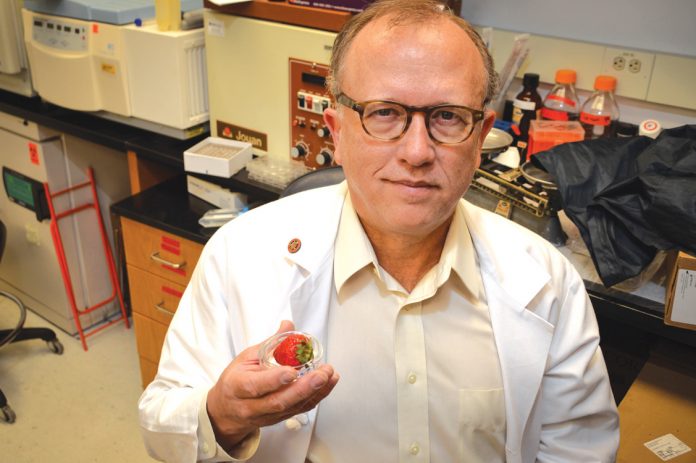
Oklahoma Medical Research Foundation physician-scientist Hal Scofield, M.D.

A Covid-19 variant that appears more contagious than the earliest strain of the virus is increasingly circulating in the U.S. But is the mutation something to fear?
Only if you’re unvaccinated, say experts at the Oklahoma Medical Research Foundation.
“Viruses mutate to survive,” said OMRF immunologist Eliza Chakravarty, M.D. “Becoming more transmissible is helpful from an evolutionary perspective. But with vaccines, we can mount a defense we didn’t have last year.”
The U.S. Centers for Disease Control and Prevention has classified the delta variant, first identified in India, as a “variant of concern.” The CDC gave the mutation that now accounts for more than 20% of new infections in the U.S. the designation based on growing evidence that the variant spreads more easily and causes more severe cases of Covid-19 when compared to other variants.
The variant’s prevalence has more than doubled in recent weeks. What started as a seemingly small percentage of cases doesn’t mean small danger for a virus that has claimed more than 600,000 lives in the U.S., said OMRF physician-scientist Hal Scofield, M.D.
“The delta variant appears prime to become the dominant coronavirus strain in the U.S., as it is now in the United Kingdom and India,” said Scofield, noting that the variant is striking teens and young adults with increasing speed. “For communities with low levels of vaccination in Oklahoma, this could mean serious trouble come fall.”
There is good news for the fully vaccinated, Scofield said. In a study published in May, researchers in the U.K. found that a two-dose regimen of the Pfizer vaccine was 88% effective against symptomatic Covid-19 from the delta variant. CDC officials anticipate similar results for Moderna’s vaccine. And the effectiveness of Johnson & Johnson’s one-dose shot appears only slightly lowered — 60%, vs. the 66% seen in clinical trials — against the variant.
Despite this, in the same U.K. study, scientists found that one dose of the Pfizer vaccine is just 33% effective against the virus.
“It’s a reminder of how critical full vaccination is,” said Chakravarty. “If you are unvaccinated and waiting to see whether there will be a spike in cases before getting your shot, or if you’ve delayed in getting your second dose, the time to act is now.”
Although infections of Covid-19 are rare in fully vaccinated people, Scofield said that testing should remain top of mind to track the progression of the delta variant in the state.
“If you’re vaccinated, we’re on the cusp of returning to regular life,” said Scofield. “But if you’re sick with symptoms such as coughing, fever and difficulty breathing, you still need a Covid test.”

Survey: Only One Quarter Of Nursing Homes Confident They Will Make It Through to Next Year

0

Majority of nursing homes, nearly half of assisted living communities operating at a loss

The American Health Care Association and National Center for Assisted Living (AHCA/NCAL), representing more than 14,000 nursing homes, assisted living communities, and other long term care facilities across the country, announced the release of a recent survey of providers across the U.S. Results from the survey showcase the urgent need to address the economic crisis facing the profession.
Key findings include:
* Only a quarter of nursing homes and assisted living communities are confident they can last a year or more.
* More than half of nursing homes and nearly half of assisted living communities say their organization is operating at a loss.
* Nearly half of nursing homes and assisted living communities have had to make cuts in 2021 due to increased expenses or lost revenue.
* The top three costs facilities have incurred due to COVID-19, regardless of whether they have had cases or not, are additional pay for staff, hiring additional staff, and personal protective equipment (PPE).
* In 2021, 84 percent of nursing homes said they are losing revenue due to fewer post-acute patients coming from the hospital.
* Ninety-two percent of nursing homes and 62 percent of assisted living facilities said the Provider Relief Fund has been helpful during COVID.
* More than half of nursing homes and more than one-third of assisted living communities say that Medicaid fee-for-service is problematic in covering the actual cost to provide care to residents. Of those, more than one-quarter of both providers qualify it is a serious problem.
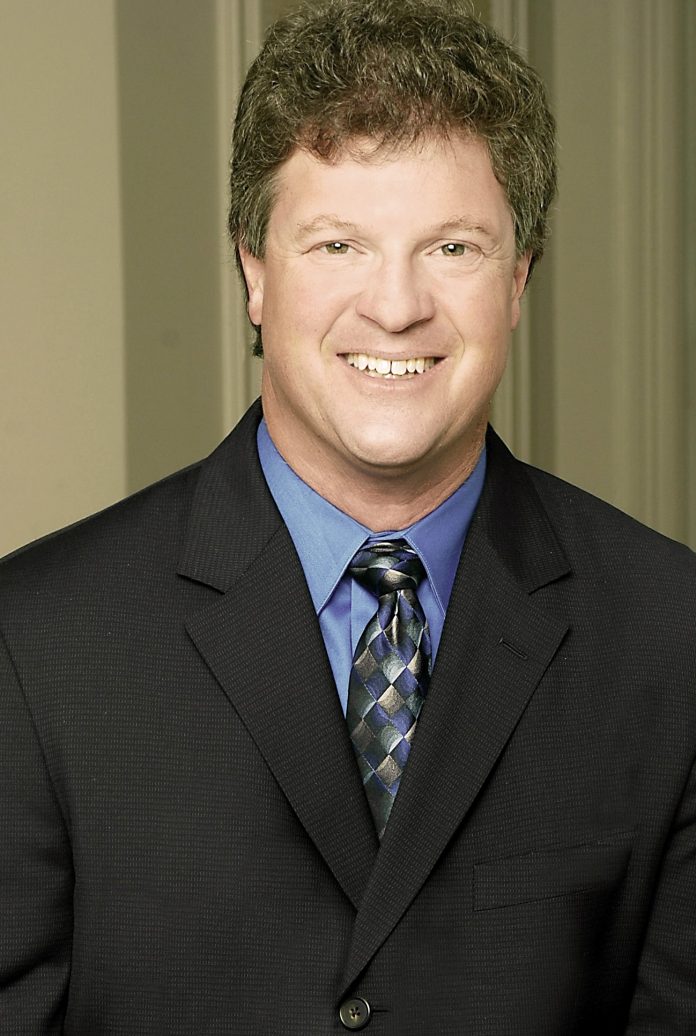
“Even though COVID cases in long term care are at historic lows, providers are struggling to recover from the economic crisis the pandemic has induced. Too many facilities are operating under shoestring budgets simply because policymakers have failed to dedicate the proper resources, and this can have devastating consequences,” said Mark Parkinson, president and CEO of AHCA/NCAL.
An analysis by AHCA/NCAL earlier this year estimated that the nursing home industry is expected to lose $94 billion over the course of the pandemic, and more than 1,800 facilities could close their doors. Closures are hard on vulnerable residents who are forced to move, their family members who must often travel farther to see their loved ones, and dedicated caregivers who are out of a job.
“Lawmakers and public officials across the country must prioritize the residents and caregivers in our nursing homes and assisted living communities,” continued Parkinson. “This starts by sending immediate resources through what remains of the Provider Relief Fund, and it continues by finally addressing the chronic underfunding of Medicaid, which only covers 70 to 80 percent of nursing home care. We have laid out key proposals in our Care For Our Seniors Act to transform America’s nursing homes, but without the help from Congress and state legislators, these necessary reforms will not be possible.”
“We look forward to working with federal and state governments to ensure the stability of our care economy, so that every provider has the ability to deliver the highest quality of care. From being able to have an adequate supply of PPE to compensating caregivers for their heroic work, long term care facilities need financial assistance from lawmakers to keep serving our vulnerable residents,” concluded Parkinson.

Wreaths Across America Kicks Off Giving in July 2021

0

‘Do Good Twice’ by supporting local groups in Oklahoma while sharing the mission to Remember, Honor, Teach

Throughout the month of July, national nonprofit Wreaths Across America (WAA) will be featuring its annual Giving in July campaign — a month dedicated to the groups and individuals giving back in their communities while helping to share the mission to Remember, Honor and Teach.
Locally, groups like Roll To Wreaths Riders 4 Vets, Riverside Flight Civil Air Patrol, Broken Arrow Creek Chapter NSDAR, and Catholic War Veterans USA OK Memorial Post 168 among those hundreds of sponsorship groups raising funds through the sale of wreaths sponsorships to support its efforts.
Since its founding in 2007, WAA has partnered with hundreds of like-minded charities, community programs, and civic groups throughout the country to remember and honor our nation’s veterans and active duty military all year long. Giving in July celebrates these groups and highlights the opportunity to ‘do good twice’ through the sponsorship of veterans’ wreaths through the organization’s Group Sponsorship Program. Through the program, donations received in fact ‘do good twice’ because WAA gives back $5 of each $15 wreath sponsorship made to support the local group’s own mission, which include programs helping veterans, military families, youth and more, in communities across the country.
Through this national program, WAA has given back nearly $15 million in local contributions over the last 13 years!
“I have long said, it would be disingenuous for us as an organization whose mission is to Remember the fallen, Honor those that serve and their families, and Teach the next generation the value of freedom, if we do not support other like-minded programs doing just that in their communities,” said WAA Executive Director Karen Worcester. “Our Group Sponsorship Program is a year-round effort, but through Giving in July we hope to remind people that veterans and our current military serve and protect us 365 days a year and it is never too early to make a difference in your own community.”
This year, more than 2,500 cemeteries will participate in National Wreaths Across America Day, including locations in (Macomb Oklahoma Area Cemeteries-Roll to Wreaths Riders 4 Vets, Memorial Park Cemetery, Floral Haven Cemetery , and Sunny Lane Cemetery) – Saturday, Dec. 18, 2021 – and thousands of local Sponsorship Groups are working in their communities to raises funds and awareness to honor the local servicemembers with the placement of veterans’ wreaths made of fresh Maine balsam.
Wreaths Across America is a 501(c)(3) nonprofit organization founded to continue and expand the annual wreath-laying ceremony at Arlington National Cemetery begun by Maine businessman Morrill Worcester in 1992. The organization’s mission – Remember, Honor, Teach – is carried out in part each year by coordinating wreath-laying ceremonies in December at Arlington, as well as at thousands of veterans’ cemeteries and other locations in all 50 states and beyond.
For more information or to sponsor a wreath please visit www.wreathsacrossamerica.org.

OKC ZOO ANNOUNCES BIRTH OF ENDANGERED GIRAFFE CALF

0

OKC Zoo’s giraffe matriarch, Ellie, welcomes a male calf, her sixth offspring to be born at the Zoo.

The Oklahoma City Zoo and Botanical Garden is thrilled to announce the arrival of an endangered giraffe calf, born to 20-year-old, Ellie. Ellie’s sixth offspring to be born at the Zoo, a male, was born on Thursday, June 3, 2021, at 12:01 p.m. at the Zoo’s giraffe habitat barn. The calf, who is yet to be named, is the first to be fathered by four-year-old, Demetri. The Zoo’s youngest giraffe is healthy and strong, and weighs approximately 157 lbs. and stands six-foot one. He will continue to spend time bonding with his mother and herd mates behind the scenes. Ellie’s daughter, Julu, 5, is also pregnant and expected to deliver her first calf soon. It’s been neck and neck between this mother-daughter giraffe duo to see who would give birth first, and Ellie delivered! To view the giraffe birth, click here.
“Witnessing Ellie and Julu experience pregnancy together has been the greatest joy and we’re thrilled to watch our herd grow with the addition of this little calf,” said OKC Zoo’s Curator of Hoofstock and Primates, Tracey Dolphin-Drees. “This birth is critical for the conservation of this endangered species and a true testament to the importance of the Zoo’s involvement in collaborative breeding efforts.”
Ellie arrived at the Zoo in 2008 from the Birmingham Zoo, in Birmingham, Alabama. The calf’s father, Demetri, arrived from the Fossil Rim in Glen Rose, Texas, in 2018, as part of a breeding recommendation by the Association of Zoos and Aquariums (AZA) Giraffe Species Survival PlanTM (SSP). SSPs are cooperative, long-term management programs designed to maintain genetically viable and geographically stable populations of specific species. The Zoo is also home to two-year-old female, Mashamba.
The gestation period for giraffes is approximately 15 months. The average weight for a newborn giraffe is about 150 pounds. Newborns stand within an hour of birth at a height of around six-feet tall. According to giraffe caretakers, Ellie’s water broke around 10:40 a.m. and she was in active labor until the calf’s birth at 12:01 p.m. By 1:13 p.m. the calf was standing and attempting to nurse.
Native to East and South Africa, giraffes are currently listed as endangered by the International Union for the Conservation of Nature. There are approximately 111,000 giraffes remaining in the wild, an almost 40% decline since the 1980s. This population decline is caused by illegal poaching and habitat destruction. The Zoo has contributed to giraffe conservation for decades by supporting the Northern Rangelands Trust and the Giraffe Conservation Fund, as well as becoming a member of AZA’s Giraffe Saving Animals from Extinction (SAFE) partner organization in 2018.
Weather depending, Ellie and her calf will have access to the giraffe habitat yard over the weekend. The Zoo’s giraffe feeding experience will be tentative for the time being. Follow the Zoo’s social channels for updates about our growing giraffe family.
Love these gentle giants as much as we do? Save the Date for the Zoo’s World Giraffe Day celebration on Monday, June 21, from 10 a.m. to 1 p.m. presented locally by Bob Moore Subaru. Guests will enjoy information stations, biofacts, activities, photo opportunities and more.
The Oklahoma City Zoo is currently in its summer hours and open daily from 8 a.m. to 5 p.m. with the last entry no later than 4 p.m. Purchase advance tickets at www.okczoo.org/tickets and avoid the entry lines. Located at the crossroads of I-44 and I-35, the OKC Zoo is a proud member of the Association of Zoos and Aquariums, the American Alliance of Museums, Oklahoma City’s Adventure District and an Adventure Road partner. Regular admission is $12 for adults and $9 for children ages 3-11 and seniors ages 65 and over. Children two and under are admitted free. Stay connected with the Zoo on Facebook, Twitter, Instagram and TikTok, and by visiting our blog stories. Zoo fans can support the OKC Zoo by becoming a ZOOfriends member. Starting at $45, memberships can be purchased at ZOOfriends.org and provide access to the OKC Zoo for an entire year plus, additional benefits and discounts. To learn more about Zoo happenings, call (405) 424-3344 or visit okczoo.org.

Greg Schwem: I’ve been vaccinated. Now, somebody please mow my lawn

0
Greg Schwem is a corporate stand-up comedian and author.

When it comes to luck, my sense of timing could not be worse.
If one lane on a congested interstate suddenly starts moving at normal speed, I just moved to the other lane, and am now sandwiched between two semis, both hauling explosives.
If I schedule an outdoor party, local weather forecasters immediately start telling viewers to expect rain the entire day. Historically, they have been correct most of the time.
I never owned GameStop stock but I’m certain I would have dumped it at its 52-week low of $3.77 as opposed to the all-time high of $483 it achieved in January, following chatter on Reddit investor forums.
Now comes word that ordinary Americans are getting rich just by rolling up a sleeve and getting jabbed with the coronavirus vaccine. Just ask Abbigail Bugenske, 22 of Cincinnati.
In exchange for doing something ALL Americans are being urged to do as soon as possible, Bugenske received $1 million as part of Ohio’s Vax-a-Million lottery. Four other Ohio residents will be receiving similar windfalls if their names are chosen. Not to be outdone, California is offering $1.5 million prizes to 10 vaccinated residents. New York, Maryland and Oregon are among other states that feel cold hard cash is the best way lower coronavirus numbers.
I had the misfortune of settling in Illinois, where no money will be changing hands, or arms, as of now. Some retail establishments have stepped up, however. Illinois is one of only 13 states that feature White Castle restaurants, and, through May 31, the chain was offering vaccinated patrons one of its three “desserts on a stick.” For free! I chose not to partake in that offer, feeling I was simply trading one potentially fatal malady for another. I won’t die of the coronavirus, but clogged arteries kill plenty of people annually.
For the record, I received my injections back in mid-February, when the vaccine was still in its rollout stages and states were struggling to figure out who should have priority. I asked for nothing in return, feeling I had won a personal lottery just because I was able to snag an appointment. Heck, I didn’t even take a complimentary candy from the dish that sat next to the health care worker processing my exit paperwork. My prize was relief that I was on the road to a life free of facemasks and quarantine.
But now it’s payback time. Even though I shunned dessert on a stick, I want a piece of the pie.
Somebody needs to mow my lawn.
As I write this, I have just completed the weekly task of pushing the mower up and down, back and forth over bumpy terrain, trying to keep up with my neighbor who feels grass should be pampered, as opposed to clipped. He is much younger and, I’m sure, doesn’t spend the following day recovering from the assortment of joint pain that lawn mowing delivers to my body.
Ironically, I suffered no side effects from either vaccine dose. While friends updated me, via social media, of their high fever and body aches after vaccines one or two, I went about my day pain free. I would like to continue doing so, hence the lawn mowing request.
Sure, I could use a million dollars, but other Illinois residents need it more, vaccinated or not. All I want is to wave my vaccination card at a passing lawn service truck, have the driver do an about face and follow me to my yard, where his crew would cut my grass while I lounge on the patio. I would like this routine repeated weekly until at least Labor Day. I’ve read I may need a COVID-19 booster shot in approximately eight months, which I will gladly receive.
Provided I win the Illinois “Shovel My Driveway” vaccination sweepstakes.
(Greg Schwem is a corporate stand-up comedian and author of two books: “Text Me If You’re Breathing: Observations, Frustrations and Life Lessons From a Low-Tech Dad” and the recently released “The Road To Success Goes Through the Salad Bar: A Pile of BS From a Corporate Comedian,” available at Amazon.com. Visit Greg on the web at www.gregschwem.com.
You’ve enjoyed reading, and laughing at, Greg Schwem’s monthly humor columns in Senior Living News. But did you know Greg is also a nationally touring stand-up comedian? And he loves to make audiences laugh about the joys, and frustrations, of growing older. Watch the clip and, if you’d like Greg to perform at your senior center or senior event, contact him through his website at www.gregschwem.com)

Study shows strawberries lower serious health risks

0
A study led by Oklahoma Medical Research Foundation physician-scientist Hal Scofield, M.D., found that 2.5 servings of strawberries per day can lessen the risk of heart disease, stroke and diabetes.

As little as 130 calories per day could make a significant impact on your cardiovascular health.
That’s approximately how many calories are in about 2.5 cups of strawberries. And it’s the amount a new study led by Oklahoma Medical Research Foundation physician-scientist Hal Scofield, M.D., found is needed to lessen our risk of heart disease, stroke and diabetes.
“This is the ideal health finding,” said Scofield, a physician and medical researcher in OMRF’s Arthritis and Clinical Immunology Research Program. “Strawberries don’t require a prescription, and they’re available year-round.”
Previous work in Scofield’s lab showed that strawberries could have a positive impact on health. But in the new study published in the journal Nutrients, researchers were surprised to find that such a reasonable amount of the berries could make a difference.
Scofield found that in people with obesity, the daily consumption of 32 grams of freeze-dried strawberry powder mixed with water (the equivalent of about 14 oz. of fresh strawberries) lowered participants’ blood glucose, improved good lipids and reduced LDL cholesterol, all factors for heart attack and stroke. Study participants also showed improved insulin resistance, an underlying cause of Type 2 diabetes.
But like the omega-3 fatty acids in fish, the researchers found the natural compounds in strawberries to be most beneficial when consumed as part of a whole.
“We know that eating fish has more health benefits than taking fish oil pills. This appears to be the same for strawberries,” said Scofield, noting that freeze-dried, powdered berries retain the nutrients of fresh berries. “We aren’t certain why, but it supports the idea that eating real, whole foods is important.”
Scofield’s lab has previously shown that strawberries are an effective anti-inflammatory measure to reduce pain associated with osteoarthritis, the leading cause of disability and joint replacements in adults in the U.S.
“The idea that strawberries have anti-inflammatory and heart-healthy compounds is not new, but applying the benefits directly to specific diseases is,” said Scofield. “The bottom line is to eat well. We’re supposed to eat five servings of fruits and veggies a day. This is just one more indicator that the benefits of that are real.”
Scientists at the University of Oklahoma Health Sciences Center, Oklahoma State University and the University of Nevada at Las Vegas contributed to the work. The research was supported by National Institutes of Health grant Nos. U54GM104938 and 5P20GM109025 and institutional funds from OUHSC and UNLV.

OU College of Allied Health Programs Earn National Rankings

0

U.S. News & World Report has cited four degree programs offered by the University of Oklahoma College of Allied Health as among the best educational programs nationally. The rankings recognize top schools for training at the master and/or doctorate levels. Each school’s score reflects average rating based on a survey of academics at peer institutions.
OU College of Allied Health programs ranked by the national publication are: Audiology: Ranked 36th in the nation. Audiologists are experts in the diagnosis and treatment of disorders of hearing and balance. Professionals with the Doctor of Audiology degree work in a variety of settings, including hospitals, clinics, academic institutions and private practices. Physical Therapy: Ranked 42nd. Physical therapy is a rehabilitation field focused on improving quality of life through prescribed exercise, hands-on care, and patient education. Physical therapists are movement experts who examine, evaluate, and treat injuries, disabilities, or other health conditions, including nerve and muscle function, posture, balance and pain disorders for individuals of all ages. Occupational Therapy: Ranked 58th. Occupational therapy is a rehabilitation field that maximizes performance in everyday activities such as self-care, home management, work, school and leisure for people across the lifespan. Occupational therapists evaluate and treat motor, visual, cognitive and psychological deficits, and innovatively modify tasks and environments that support participation in life activities. Speech-Language Pathology: Ranked 63rd in the nation. Training in speech-language pathology prepares professionals to assist adults and children with disorders of speech, language and swallowing. This high-demand and fast-growing profession includes professionals in a wide range of work settings, including clinics, hospitals and school systems.
Jane Wilson, Ph.D., dean of the OU College of Allied Health, said “The acknowledgement by an external entity of the outstanding quality of our programs and the faculty and staff who support those programs is gratifying. We are confident that our college community will be able to continue the excellent work and learning that places us in the top tier of programs nationally.”