Monday, September 21, 2026

Sapulpa’s 100-Year-Old Marine Recalls War and Resilience

0
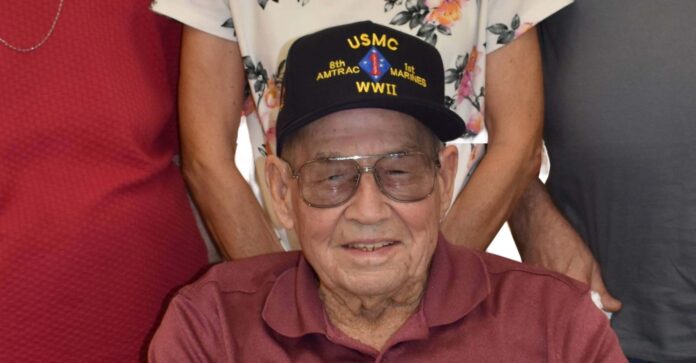
Left: In front, William Mauch. Behind him, from left, Glenna Howard and Patricia and David Mauch. Claremore.

A Serious Start to an Interview
Stephens. “Sir, is there a story or two you want to share about your service?”

Mauch. “For the younger generation, World War II was terrible. I would like for them to know that. It’s not something you would be anxious to get into…The young people need to know it’s not like video games.”

Stephens. “Please elaborate. Do you mean in general or some of the things you saw?”

Mauch. “You’re constantly hoping you stay alive so you can come home and have the American dream to marry and have a family. And that’s constantly on your mind.”

Stephens. “How did your service or the war change you?

Mauch. “Yes. Physically, I was like 135 pounds. After I got through bootcamp, I’m about 175. I think a little bit stronger (chuckles). Mentally, you were kind of prepared because of the Drill Instructor. He instructed you on how tough you should be.”

Stephens. “What would you say about how you did?”

Mauch. “Well, you experience so many things that if you’re 17 or 18 when you go in, you’re very inexperienced. When you come out, you faced a totally new world of time while you were there.”

Stephens. “Do you mean facing a world of life and death?”

Mauch. “Yes. The value of life. You’re more confident if you’re in the Marine Corps, especially. You’re more confident in your life in the future, I think all the way through life after.”

Stephens. “Anything else you’d like to say?”

Mauch. “Marry a lady that you love, for sure, and that will take good care (of you). Enjoy your family as long as possible.”

William “Bill” Mauch, now 100, saw combat close up as he rode in amphibious assault landing tractors during two of the Pacific’s most grueling battles – Peleliu and Okinawa.
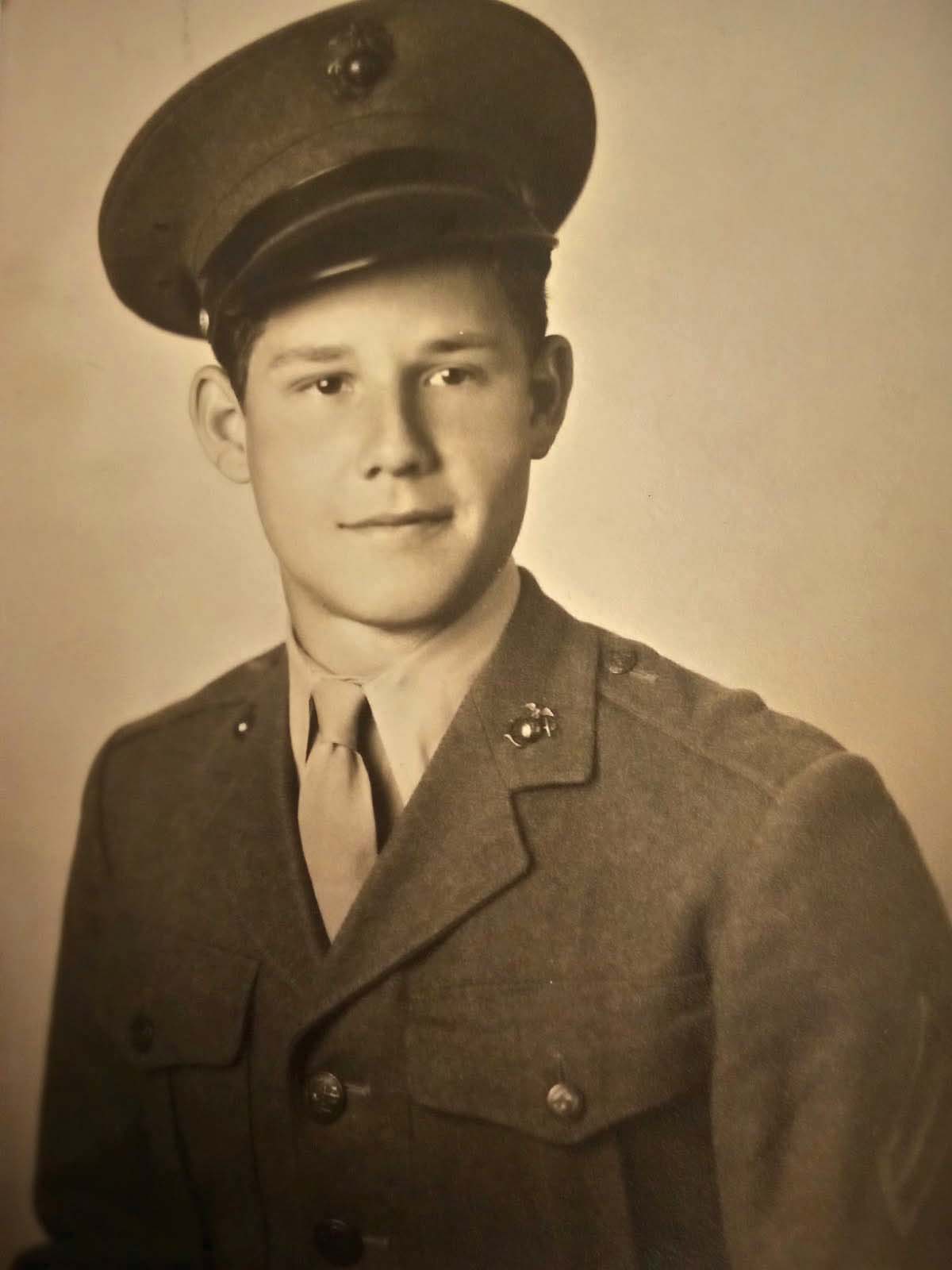
A young Marine William Mauch poses for a picture during WWII. Photo by William Mauch

Into the Heat of Peleliu
Between Sept. 16 and Oct. 20, 1944, Mauch was deployed to the island of Peleliu, a small island in the Palau archipelago located some 500 miles east of the Philippines. He arrived just after the initial Sept. 15 landing. He said, “I was in reserve maintaining the radio systems of about a dozen tractors in our company.”

Conditions were brutal. Temperatures soared to 115 degrees daily. “We drank contaminated water (from contaminated petroleum 55-gallon drums) and there was no way to bathe.” Relief came when the Navy supplied water purified through osmosis systems. Mauch said they were often dehydrated and suffered from dysentery and jungle rot in the crotch and armpits. “It was total misery.”

The Invasion of Okinawa
Five months later, Mauch “carried the first wave of troops to shore April 1, 1945”, during the invasion of Okinawa – the final island battle before an anticipated invasion of mainland Japan. Once again, he rode in amphibious tractors formally named as Landing Vehicle, Tracked, LVT4.

Each LVT4, Mauch explained, “would haul about 25 or 30 (personnel) in the rear, and the front was the driver and the radio operator, and then the commander would be also aboard…You could communicate back and forth on the tractor…I was responsible for the radio intercom systems for 12 of those LVT tractors.” He described how the vehicles were designed for transport and protection. “And then on the back was a drop tailgate, I’ll call it, and the troops would come out there and the tractor would protect them more or less while they got out. Then we could haul supplies, ammunition and things like that. Your initial job was to get the troops ashore.”

The Somber Duty of Burial
After the initial invasion of Okinawa, Mauch’s duties took a somber turn. “About the third day that we got a dispatch to pick up a load, and that was about, I’ll say six or seven dead bodies in body bags. We loaded them on our tractor…We’d haul them to the to the designated cemetery area.” The temporary gravesites were later uncovered and the remains returned to the United States.

Living Under Fire
In a Sapulpa Times interview by Micah Coquette, “Lifelong Sapulpan Bill Mauch turns 100, inducted into the Centenarians of Oklahoma Hall of Fame,” Mauch reflected, “’On that island, we were constantly under threat to our lives,’” adding, “’You have rifle fire, you have mortars, you have big guns and bombers every night. You have anti-aircraft shells that burst and can land on your tent. There’s just all these ways you could get killed.’”

Building a Civilian Life
Discharged in Feb. 22, 1946, Mauch returned to Sapulpa. His father took him to an Odd Fellows meeting where he reconnected with his high school mechanical drawing teacher. “He saw me there and he said, ‘Oklahoma Gas & Electric head called for a young man to train as an engineer…I’d like for you to go ahead…So I did and they hired me. And I spent three years as a junior engineer for OG&E.”

Realizing he needed to use his GI Bill, Mauch enrolled at Oklahoma A&M, spending nearly five years earning a degree in architectural engineering. Afterwards, “I went to work in the aircraft industry for Douglas Aircraft in their structural engineering in Tulsa. Later, McDonald Douglas bought them. I worked for them for 33 years.”

Love and Legacy
He married Helen in 1954, and together they celebrated 70 years of marriage before her passing in 2024. The couple raised four children and were blessed with six grandchildren and nine great-grandchildren. Today, William Mauch continues to live in his hometown of Sapulpa. • Story by Retired Lt. Col. Richard Stephens, Jr., USAFER. See Rich Travel Niche

 

Empowering Seniors through a Master’s in Social Work for Aging Populations

0

The demand for specialized social work professionals in senior care is increasing due to an aging population. A Master’s in Social Work (MSW) provides the necessary skills and knowledge to meet these growing needs. This article examines the role, benefits and impact of MSW-trained social workers in enhancing seniors’ quality of life.

The global population is rapidly aging, creating an urgent need for dedicated professionals to support seniors in various capacities. Social workers specializing in elder care are crucial in ensuring that older adults receive the necessary assistance and advocacy they deserve. An advanced degree such as a masters in social work is essential for those looking to make a meaningful impact in this field. This degree equips individuals with the expertise required to navigate the complex challenges associated with senior care, offering both theoretical knowledge and practical skills.

The Role of Social Workers in Senior Care

Social workers play a pivotal role in supporting seniors across different environments, including healthcare facilities, community centers and home care settings. They act as advocates, ensuring that seniors’ rights and needs are prioritized in every aspect of their care. Through counseling services, they provide emotional support and guidance, helping older adults cope with life’s transitions and challenges.

Moreover, social workers are instrumental in resource management, connecting seniors with essential services and benefits. This includes coordinating healthcare services, facilitating access to community programs and assisting with financial planning. By leveraging their knowledge of local resources and policies, they empower seniors to lead fulfilling and independent lives.

In addition to direct support, social workers are often involved in developing policies and programs that address the broader issues affecting aging populations. Their insights and experiences on the ground enable them to advocate for systemic changes that enhance the overall quality of life for older adults.

Advantages of Pursuing a Master’s in Social Work for Senior Care

A master’s degree offers a comprehensive curriculum that covers various aspects of social work practice, including human behavior, social policy and ethics. Such programs emphasize the development of specialized skills needed to address the unique challenges faced by seniors. The flexibility offered by online MSW programs makes it accessible for individuals balancing other commitments while pursuing advanced education.

The curriculum is designed to prepare students for real-world scenarios through case studies, internships and interactive coursework. This hands-on approach ensures that graduates are well-equipped to handle diverse situations they may encounter in their careers. Furthermore, exposure to different areas within social work allows individuals to discover their niche within senior care.

Pursuing an MSW also opens up opportunities for career advancement and specialization. Graduates can choose to focus on specific areas such as geriatric care management or policy development, tailoring their expertise to align with personal interests and professional goals.

Career Opportunities for MSW Graduates in Senior Services

An MSW degree unlocks numerous career paths within the realm of senior services. Graduates can pursue roles as geriatric social workers, where they directly engage with elderly clients to address their psychosocial needs. These professionals often work within hospitals, long-term care facilities, or community-based organizations dedicated to supporting older adults.

In addition to direct practice roles, there are opportunities in program management and policy development aimed at improving services for aging populations. Social workers are valued contributors to interdisciplinary teams that design initiatives focused on enhancing seniors’ health outcomes and overall well-being.

The growing demand for skilled social workers within senior living communities further underscores the importance of obtaining an MSW. As more seniors seek supportive living environments that cater to their evolving needs, the expertise provided by trained professionals becomes increasingly vital.

Wrapping Up: Impact of Social Work on Improving Quality of Life for Seniors

Social workers have made significant strides in improving the quality of life for seniors through targeted interventions and personalized care plans. Programs that promote independence by providing mobility aids or home modifications enable seniors to age comfortably in place. These initiatives not only enhance physical safety but also contribute to mental well-being by fostering autonomy.

Effective counseling interventions can alleviate feelings of loneliness or depression among older adults. By facilitating group activities or peer support networks, social workers help build strong community ties that combat isolation – a common challenge faced by many seniors.

The role of social workers extends beyond individual support; they also advocate for policies that protect seniors’ rights and improve access to essential services. Their efforts contribute significantly towards creating inclusive communities where older adults can thrive with dignity and respect. For more information on how you can make a difference through a career in social work focusing on senior care, explore resources available from trusted organizations online.

Bridging Generations: How Senior Care Education is Transforming Lives

0

The growing demand for senior care specialists is opening new doors for both caregivers and seniors alike. From flexible education options to enhanced care quality, healthcare professionals are increasingly choosing to specialize in senior care – a trend that’s revolutionizing care delivery for our aging population.

As America’s senior population continues to grow, the need for specialized healthcare professionals has never been more crucial. This shifting demographic has sparked a revolution in healthcare education, particularly in programs focused on geriatric care. The intersection of technology and education is opening doors for both experienced healthcare workers and those looking to enter the field, while simultaneously improving the quality of care for seniors.

The Evolution of Senior Care Education

The landscape of healthcare education has transformed dramatically over the past decade. With the emergence of online AGNP programs and other specialized nursing degrees, healthcare professionals can now advance their careers while maintaining their current positions.

This flexibility has led to a surge in qualified practitioners who better understand the unique needs of older adults, resulting in more comprehensive and empathetic care delivery. The integration of modern learning methods with traditional healthcare principles has created a new standard in professional education, enabling practitioners to develop specialized skills while maintaining work-life balance.

Technology: Breaking Down Barriers to Education

Modern educational platforms have revolutionized how healthcare professionals learn and interact with course material. Virtual simulations, interactive case studies and real-time collaboration tools enable students to gain practical experience while studying remotely. These technological advancements have made quality education more accessible than ever before, particularly for those in rural areas or with demanding work schedules.

Through sophisticated learning management systems and virtual classrooms, students can engage with instructors and peers, participate in group discussions and access comprehensive learning resources at their convenience. This technological integration ensures graduates are well-prepared to handle the complexities of senior care.

The Impact on Senior Care Quality

The rise in specialized education programs has directly influenced the quality of care received by seniors. Healthcare professionals with advanced training in geriatrics demonstrate better understanding of age-related conditions, medication management and the importance of holistic care approaches.

These specialists are equipped to recognize subtle changes in health status and implement preventive measures before conditions worsen. Their expertise extends to managing complex medical conditions while considering the psychological and social aspects of aging. This comprehensive knowledge allows them to develop more effective treatment plans, resulting in improved health outcomes and enhanced quality of life for elderly patients.

Creating Stronger Support Networks

Education extends beyond clinical skills to encompass family dynamics and community resources. Today’s healthcare professionals learn to navigate complex family situations, coordinate with various care providers and connect seniors with valuable community services. They develop expertise in facilitating family meetings, mediating conflicts and helping families make difficult decisions about care options.

These professionals also build strong relationships with local support services, creating comprehensive care networks that address both medical and social needs. This integrated approach ensures seniors receive well-rounded support that considers their physical health, emotional well-being and social connections.

Empowering Caregivers Through Knowledge

Professional development opportunities have become increasingly accessible to family caregivers. Educational institutions now offer certificates and workshops designed specifically for non-professional caregivers, helping them understand senior health needs and access available resources. These programs cover essential topics such as safety measures, basic medical care, stress management and self-care strategies.

Caregivers learn to recognize warning signs of common health issues, implement preventive measures and effectively communicate with healthcare providers. This knowledge-sharing strengthens the entire care ecosystem, reducing caregiver burnout and improving the quality of care provided to seniors.

Building Bridges Between Generations

The focus on geriatric education has fostered greater understanding between generations. Healthcare professionals are learning to appreciate the wisdom and experiences of their elderly patients, while seniors benefit from caregivers who are better equipped to address their unique needs. This mutual understanding creates stronger bonds and more effective care relationships.

Educational programs now emphasize cultural competency and intergenerational communication, helping practitioners bridge potential gaps in understanding. These strengthened connections lead to better compliance with treatment plans, increased trust in healthcare providers and more positive outcomes for seniors receiving care.

A Future of Enhanced Senior Care

As educational programs continue to evolve and adapt to changing healthcare needs, the future of senior care looks increasingly promising. The combination of specialized knowledge, technological advancement and improved accessibility to education is creating a new generation of healthcare professionals who are passionate about and dedicated to providing exceptional care for our aging population.

Enhancing Senior Health Through Wearable Technology and DNP Acute Care Programs

0

Wearable technology is transforming senior healthcare, offering innovative solutions for monitoring health. The integration with nursing programs is pivotal in advancing patient care and ensuring better health outcomes. These technologies empower seniors and healthcare providers alike, paving the way for a healthier future.

The landscape of senior healthcare is rapidly evolving with the introduction of advanced technologies. Among these innovations, wearable technology stands out as a transformative tool, reshaping how seniors monitor their health and manage medical conditions. The relevance of DNP acute care programs in this context cannot be overstated, as they are crucial in training nurses to adeptly integrate these technologies into patient care strategies. As the senior population grows, these advancements play a critical role in improving healthcare outcomes and quality of life for older adults.

Wearable Technology in Senior Healthcare

Wearable technology encompasses a range of devices designed to monitor various health metrics, making it an invaluable asset in senior healthcare. Devices such as smartwatches, fitness trackers, and even smart clothing have become increasingly popular among seniors for their ability to provide continuous health monitoring. These gadgets offer essential features like fall detection and heart monitoring, which are particularly beneficial for older adults who may face mobility challenges or cardiac concerns. Additionally, many wearables come equipped with medication reminders, helping seniors adhere to their prescribed regimens more effectively.

The appeal of wearable technology lies not only in its functionality but also in its accessibility. These devices are generally user-friendly, allowing seniors to engage with their health data without feeling overwhelmed by complex technology. Moreover, the real-time feedback provided by wearables empowers seniors to take proactive steps toward managing their health, fostering a sense of independence and confidence. However, it is important to acknowledge potential challenges such as device affordability and the digital literacy required for optimal use.

Impact of Wearable Technology on Senior Health

Wearable technology has a significant positive impact on senior health. By providing continuous monitoring, these devices enable early detection of potential health issues, allowing for timely intervention and treatment. Real-world examples abound where seniors have experienced significant improvements in their quality of life through the use of wearables. For instance, individuals with chronic conditions like diabetes have benefited from the constant monitoring capabilities of smart devices, which help them maintain stable blood sugar levels.

Despite its advantages, there are limitations that must be addressed to maximize the effectiveness of wearable technology among seniors. Issues such as data privacy concerns and technical malfunctions can pose significant barriers to adoption. In addition, not all seniors may be comfortable with or willing to embrace these technologies due to unfamiliarity or skepticism toward digital solutions. Therefore, it is vital for healthcare providers to offer support and education to ensure that seniors can fully benefit from these innovations.

Role of DNP Acute Care Programs in Senior Health

DNP acute care programs serve a pivotal role in equipping healthcare professionals with the skills necessary to integrate modern technologies into patient care practices effectively. These programs focus on developing clinical expertise and leadership abilities among nurses, enabling them to harness wearable technologies efficiently within acute care settings. As nursing education evolves alongside technological advancements, these programs prepare practitioners to meet the diverse needs of an aging population through enhanced patient monitoring and treatment strategies.

Incorporating wearable technology into acute care environments allows for more comprehensive patient oversight, facilitating timely interventions and improved health outcomes. The synergy between technological tools and advanced nursing education results in a robust framework for addressing complex healthcare challenges faced by seniors today. By leveraging this combination, healthcare providers can deliver personalized care that promotes well-being and longevity among older adults.

Combining Wearable Technology with DNP Acute Care Programs

The integration of wearable technology with DNP acute care programs creates a powerful synergy that enhances senior health management significantly. Through advanced nursing education, professionals gain a deeper understanding of how to utilize technological tools effectively within clinical settings. This knowledge empowers them to implement strategies that address the unique needs of elderly patients while optimizing resource allocation in healthcare facilities.

Examples abound where this combination has led to remarkable improvements in patient outcomes among seniors receiving care through integrated approaches involving both wearables and advanced nursing practices. Such initiatives demonstrate how collaboration between educational institutions and healthcare organizations can drive innovation within the industry while ensuring optimal patient experiences across various contexts. As we look toward future trends in senior healthcare delivery models driven by cutting-edge technologies like artificial intelligence (AI) and machine learning (ML), continued investment in education remains essential for sustaining progress toward better overall wellness outcomes worldwide.

Future Trends and Innovations in Senior Healthcare

The future of senior healthcare promises exciting developments driven by emerging trends within the realm of wearable technology innovation coupled with evolving educational paradigms centered around advanced practice nursing curricula like those offered through DNP acute care program initiatives nationwide today! Among some promising prospects on the horizon include further miniaturization devices enabling even greater portability convenience factors combined with enhanced functionalities offering an expanded range of actionable insights relevant to clinical decision-making processes overall!

Moreover ongoing efforts aimed at refining interoperability standards across diverse platforms ensuring seamless data exchange interoperability critical to achieving a truly integrated holistic approach to managing complex chronic conditions prevalent in aging populations worldwide now possible than ever before thanks rapid pace of technological evolution taking place right before eyes every day! Ultimately goal remains the same always been namely improving the lives of individuals entrusted to us professionals dedicated to caring compassionate service above else shared vision brighter tomorrow awaits us all working together collectively to achieve common objectives of paramount importance to humanity itself moving forward into uncharted territories unknown yet full promise potential unlimited possibilities awaiting discovery exploration ahead future generations come after us here today!

Joy to the world!

0
Archbishop Emeritus Eusebius Beltran’s (center) vision for a senior living ministry led to the opening of Saint Ann Assisted and Independent Living. The home is known for its fun and friendly culture and top-notch services.

At 76, Richard Amend, M.Ed., Journey to Becoming a Certified Santa Claus

Transforming Christmas magic into unforgettable moments, and inspiring joy across generations.

story and photo by Darl DeVault, contributing editor

At 76, Richard Amend, M.Ed., recently took his passion for creating the best Santa Claus experience to new heights. He traveled to Denver to become a Certified AuthentiClaus, a significant achievement after two decades of playing Santa. His attendance at the Santa Claus Portrayal & Business Mastery training is a testament to his commitment to embracing the spirit of Christmas.
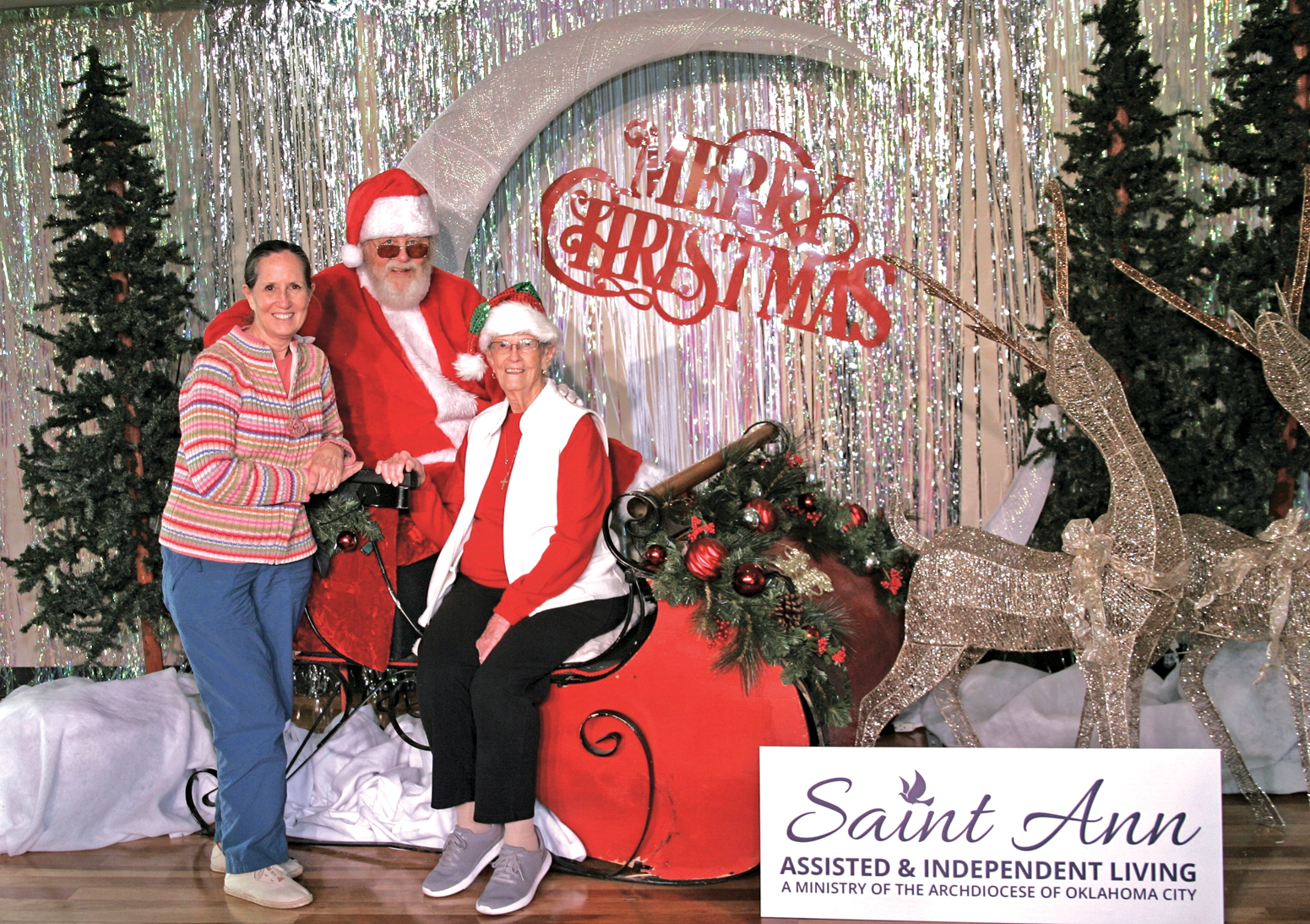
His 2023 portrayal of Santa was a milestone for Saint Ann Assisted and Independent Living in Northwest Oklahoma City. Campus Director, Joyce Clark, says the time with Santa for photos was the largest ever staged photo session in the facility’s 22-year history.
“Arranging for residents and their families to take photos together with Santa is a prime example of how we emphasize fun and resident-centered services. Saint Ann Assisted and Independent Living’s activity calendar is packed with entertainment, games, crafts, outings, speakers, singing, spiritual times, and things to do. We offer the most and best life enrichment program I have ever seen” Clark said in an interview.
Amend has dedicated the past 40 years to working with seniors and has been the Director of Community Outreach at Saint Ann for 18 years. He is especially tickled with his new certified Santa status, which came with training to interact with special needs children, adults, and at-risk youth. This enhances his devotion to creating magical, heartfelt experiences that leave a lasting impression on audiences of all ages. On behalf of Saint Ann, Amend portrays Santa at a number of other senior living and healthcare providers in the region.
Saint Ann Assisted and Independent Living is a ministry of the Archdiocese of Oklahoma City. People of all faiths love living at the recently remodeled campus that includes independent living, assisted living, and a convent for the Carmelite Sisters of Villa Teresa. Residents blossom in the home’s active lifestyle and caring atmosphere.
Last year, Archbishop Emeritus of the Archdiocese of Oklahoma City, Eusebius J. Beltran, posed with Santa, staff, residents, and the nuns. Beltran’s vision of a senior living ministry motivated the Archdiocese to develop the campus 22 years ago. The assisted and independent living center is a not-for-profit Catholic organization serving people of all faiths. Residents are cheerful and very pleased with the rich services and amenities at Saint Ann. Laughter and conversation in the dining rooms accompany delicious meals. Residents say they love Saint Ann’s food. They also enjoy being driven to appointments and shopping in one of the two limousines Saint Ann has in its fleet of vehicles. A 24-hour concierge is a focal point for communications and assists residents with everything from check cashing to package delivery.
Resident families are encouraged to visit and participate. Three guest apartments are available for out-of-town visitors. Many guests come to eat with residents or to enjoy singers, bands, and parties. The grand theatre, private dining room, and other areas are often reserved for family celebrations.
Assisted living at Saint Ann is a cozy lifestyle where helping hand services are offered in addition to all the other campus amenities. Staff are available to assist with bathing, dressing, medication administration, and a number of individualized services. Three fully furnished respite apartments have been popular for folks who want a short-term stay to recover or be attended to while their caregiver is away. Respite care is a wonderful way to check out the assisted living experience without having to move or make any long-term decisions.
As Christmas approaches, anticipation is building for the day Santa’s authentic sleigh will arrive. Wish lists are being created and costumes prepared for photos with Santa Amend. For many, that photo becomes a cherished Christmas card or festive social media post.
Amend says it is a privilege to don the Santa suit every year. “Our residents are full of life,” Amend said. “They invigorate me with their enthusiasm for the season. People say their time with Santa is special, but it is even more so for me. I get to play the role of one of the most loved icons in our culture who conveys kindness and gifting of special things at Christmas.”
Amend is not the only staff member who helps make the Christmas season cheerful. “Our life enrichment team, concierge, marketing, maintenance, dining service, housekeeping, nurse aides, and everyone helps in numerous ways. You will see some of them dressed up as Santa’s helpers, elves, reindeer, and a snowman to make Saint Ann’s winter wonderland more festive,” Amend said.
Saint Ann Assisted and Independent Living is also known as Saint Ann Retirement Center. It is located at 7501 W. Britton Road in northwest Oklahoma City.
For more information about Saint Ann Retirement
Center visit www.saintannretirementcenter.com

Families cherish their photos with Santa. Some are used for Christmas cards and social media posts. Anna Niles and her mother, Shirley Gavula, added this pic to their Saint Ann memory book.


Building a Lasting Legacy

0
Matt Neill, the Vibrant Oklahoma Group.

Story by Matt Neil, Oklahoma Real Estate Planner

Since the holiday season is upon us, it is a wonderful time to reflect about how your home has been a centerpiece for the memories that have been made there and the traditions your family has kept. It is also an opportunity to think about what meaningful legacy you will create to continue to enrich your family for years to come.
Your home is much more than a property, it’s a place filled with memories, love, and laughter. Whether it’s the house where your children grew up or where you’ve hosted countless holiday gatherings, it holds a special place in your family’s story. As Oklahoma’s Best Real Estate Planner, I help families think about how they want their home to be a part of their family’s future.
If passing your home down to your children or grandchildren is part of your plan, make sure your wishes are clearly outlined in your estate planning document. We encourage you to speak with an estate attorney to ensure your property is transferred smoothly and in line with your intentions. Most people don’t know that over 70% of families argue over real estate when a family member leaves a property behind without a plan to divide it. In real estate planning, we help families think about how they want to divide their real estate, as it is often overlooked and is often a point of contention among families.
While your home is a tangible part of your legacy, your values and traditions are just as important. The holiday season offers a wonderful opportunity to reinforce what matters most to you and your family. Consider creating traditions that can be passed down for generations, such as baking a family recipe, decorating together, or sharing stories around the table. Write down or record your memories, life lessons, and hopes for the future. These treasures can serve as a guide for your loved ones, reminding them of the foundation you built and the values you cherish.
Creating a legacy plan is about more than finances—it’s about ensuring that your love, traditions, and values live on. If you’d like help finding the perfect home to complement your legacy or need guidance on how to align your real estate plans with your family’s future, I’d be honored to assist. Give us, your certified Real Estate Planner, a call at 405-757-9980, or email at [email protected]. Let’s make sure your legacy is one that brings your family together for years to come.
Matt Neill is a realtor who has lived in Oklahoma over 17 years and enjoys spending time with his family, reading, and cheering on the OKC Thunder.


North Pole City, Oklahoma’s Home for Holiday Magic

0
David Green is the owner and founder of North Pole City, located at 4201 South Interstate 44 Service Road, Oklahoma City, OK. 73119. Established in 1987, North Pole City is a magical wonderland of twinkling lights and festive decorations, bringing the holiday spirit to life for all who visit.

story and photo by Vickie Jenkins, Staff Writer

As the holiday season approaches, shoppers eagerly seek that holiday magic; twinkling lights, festive decorations and the perfect Christmas tree. For those looking to surround themselves with the spirit of the season, North Pole City, is the ultimate destination. Here, the magic truly comes alive, with a dazzling array of Christmas trees, sparkling lights, and unique ornaments at every turn. Just when you think you’ve seen it all, another enchanting display awaits, making it a holiday wonderland unlike any other.
David Green is the owner and founder of North Pole City. He recently shared the inspiring story behind his journey to entrepreneurship. “I’ve always been drawn to sales and have genuinely enjoyed the process,” he began. “When I was 12 years old, I dreamed of owning a bicycle, but my parents couldn’t afford to buy me one. Determined to make it happen, I started helping behind the counter at Harvey’s Drugstore, doing whatever tasks were needed. Over time, I saved enough money to purchase a shiny new bike. That moment was crucial to me. It taught me the value of hard work and perseverance and showed me that with dedication, my efforts would eventually pay off.”
When asked how he decided to open a Christmas store, David replied, “I guess it all started when I was a kid. My mother always made Christmas a truly special time for our family. Those memories stuck with me. After I got married in 1983, my wife and I would travel to Dallas, Texas for market, and there was this incredible place called The Original Christmas Store. It was absolutely beautiful and left a lasting impression on us. At the time, I owned a ceiling fan business, which kept me and my employees busy, mainly during the summer. But, I wanted to find something to keep us occupied in the winter months as well. That’s what led me to the Christmas business. The idea of opening a store dedicated to the magic of Christmas felt like a perfect fit. We chose the name North Pole City because it captured the spirit of the season. Today, we’re proud to be the only Christmas store in Oklahoma City.” The business, which began in 1987 when David Green built the original building, has been a family affair from the start. “Of course, my wife, Darra has been instrumental in everything over the years,” David shared with a smile. “We work side by side and have spent countless hours building this dream together. Our partnership has been a cornerstone of our success.” Now, their older children are becoming involved in the business, ensuring that North Pole City will carry on to the next generation. “This is truly a family-owned and operated business,” David emphasized. “We put a lot of thought and care into the displays and decorations because we want everyone who steps through the doors to feel genuinely welcome. Seeing the wonder on people’s faces when they walk in, that’s what makes it all worthwhile.”
David explained that North Pole City operates as a year-round business, with a buying season that begins in December and runs through the middle of March. “Starting in December, we also begin inventory work, which continues all the way through September. There’s a lot that goes into getting everything ready for the many people who visit our store each year,” he said. To keep things running smoothly, the business relies on a dedicated team of employees. “Right now, we have 12 year-round employees and an additional 25 seasonal staff during our busiest time. I’m fortunate to have some truly amazing people working for me. They’re like the cream of the crop,” David said with pride. “We’re like one big happy family. I have several employees who have been with us for over 35 years and others for at least 25 years. That kind of loyalty and dedication is rare and I have the utmost respect and trust for all of them. They’re a huge part of what makes North Pole City so special.”
David shared his vision for North Pole City over the next five years, emphasizing a focus on growth and innovation. “We’re always thinking of new ideas to enhance the experience for our customers and keep the magic of Christmas alive,” he said. “I’d love to see us continue to grow, possibly even build a new, larger space to expand our offerings, and create an even more mesmerizing experience. The goal to keep improving and finding fresh ways to bring joy to everyone who visits our store.”


2023 Ms. Oklahoma Senior America Continues Community Outreach

0
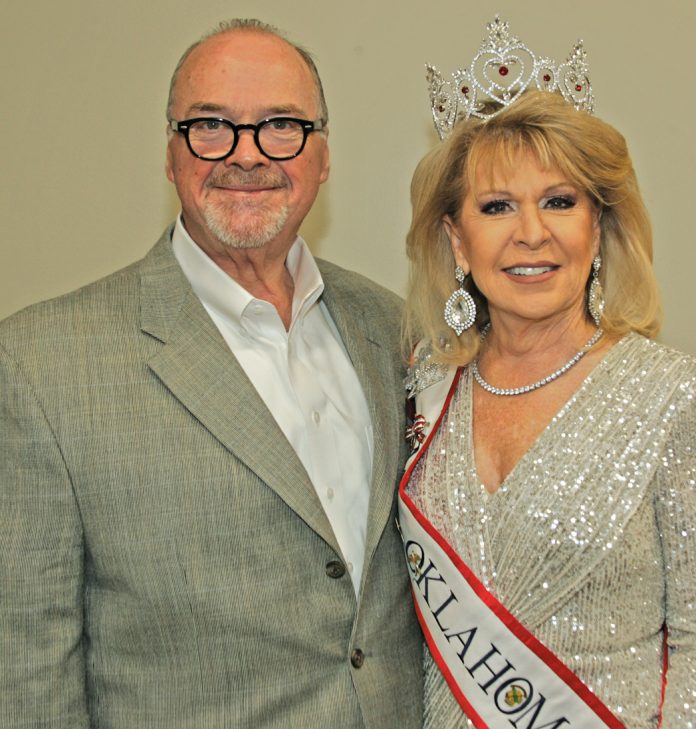
From left, Baptist Village Development Specialist Terry Dennis poses with Ms. Oklahoma Senior America 2023 Karen B. Tims.

story and photo by Darl DeVault, Contributing Editor

In early November, former Ms. Oklahoma Senior America Karen B. Tims spoke about her health experiences at the Oklahoma City campus of one of the dozen Baptist Village Communities in Oklahoma. During the well-attended monthly luncheon, she related her cautionary tale about cancer and heart attacks.
She also provided valuable insights on early detection, coping strategies, and the importance of community support in health recovery at the northwest Oklahoma City campus.
Resident Wanda Halbert, 78, spoke with Tims while they ate before her presentation. During her long career, Halbert played the piano in Southern Baptist churches, where her husband was the music director. A long-time Oklahoma City Baptist Village resident, she is proud to live in side-by-side apartments on one level with her mother, Marie Hopson, 104, at the facility.
Halbert often plays the piano for her fellow residents during choir practice, performances, and sometimes during noon dining. “God’s the blessing as we support one another among friends on this campus,” Halbert said.
Tims then addressed those assembled for their November Fellowship Meal.
She shared what she spoke about the most as her platform when she was the reigning Ms. Oklahoma Senior America 2023. She began with her experience with breast cancer, recommending not to have silicone implants because hers ruptured causing a tailspin in her mental health.
Tims explained how extremely depressed she became and instances when it affected those around her. She said she only regained a positive outlook on life after having reconstructive surgery using saline implants.
She went on to explain how this could cause generational harm when children see their mom’s changing personality.
The second half of her presentation emphasized her surprise at having a heart attack when she was in Washington, D.C. attending a national board meeting as a board member of the Military Order of the Purple Heart.
At age 52, she began experiencing chest pains and other symptoms during a meeting. Luckily, several in attendance made sure she got to the ER right away.
Tims explained how everyone should be mindful of the early symptoms of heart problems and be willing to go immediately to the ER to have themselves checked out. She related how she was present when her mother was having problems and Tims knew to get her to the hospital.
Halbert expressed her admiration for Tims’ candor after the speech. “Tims showed strength of character in sharing such personal details about her life,” Halbert said. “I was inspired by her desire to help others who might be going through something similar.”
Before the luncheon, Baptist Village Development Specialist Terry Dennis, who played a key role in organizing the event, gave Tims a tour of the 25-acre campus.
After speaking to a half-dozen attendees who wanted to talk with her briefly after her speech for a few minutes, Tims sat and talked at length with Dennis. They spoke about how, even today, she stays involved in her community to share the knowledge she has as a senior.
Dennis complimented Tims. “You spoke to all of us, not just the ladies because I am part of the cardiac club,” Dennis said. “Working as the chaplain and safety officer for first responders in Cleveland County, Oklahoma, I had a heart attack in 2018.”
Tims owns three businesses and lives in Arcadia, Okla. She grew up on a farm in southwest Oklahoma. She rides her horse as often as weather permits and owns ranchland, making her proud to be a cowgirl.
She owns Bankers Insurance Group, CB Farms and a residential rental property firm. Her volunteer work includes the Oklahoma City Rescue Mission, National Cowboy Western Heritage Museum, Military Order of the Purple Heart, Oklahoma Foster Care Review Board, Healthy Living Center and her church.
Baptist Village Communities, which offer varying stages of senior adult living and services, are open to all seniors regardless of their religious beliefs. Residents can continue to focus on the aspects of life that make them happy while getting the level of care they need at that time, and couples with differing needs can continue to stay together.


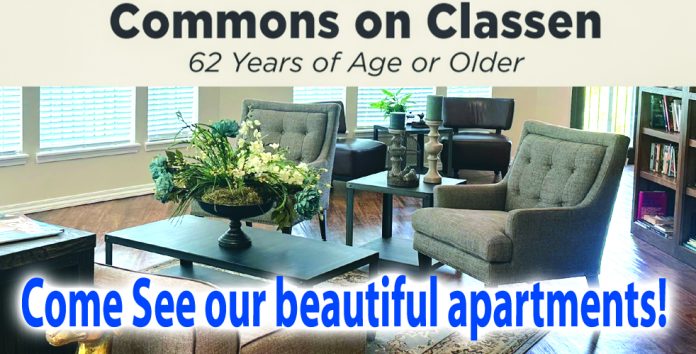
Commons on Classen – 62 Years of Age or Older – Come Visit Today!

0

Click Below to visit:

Commons on Classen

62 Years of Age or Older

Come See our beautiful apartments!

Efficiency range is Currently $650.00 – $725.00

1-bedroom range is currently $675.00 – $775.00

2-bedroom range is currently $800.00 – $875.00

We have: · Shuffleboard Court · Splash Pad · Work Out Room · Library & Craft Room · And many amenities to fit your lifestyle!

Visit: www.nhsokla.org/apartments

Or email [email protected]

1320 Classen Drive, Oklahoma City, OK 73103

405-601-6819 TDD # 711

Office Hours: Monday – Friday 11:00 am – 5:00 pm

Oklahoma Insurance Department Shares Guidance After Storms Hit State

0
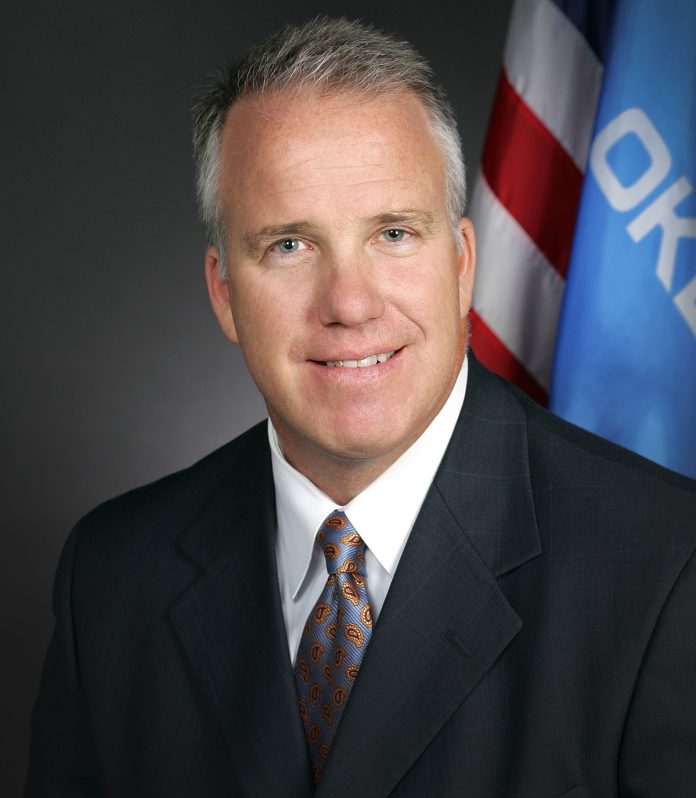
Glen Mulready, Oklahoma Insurance Commissioner.

By Oklahoma Insurance Commissioner Glen Mulready

The Oklahoma Insurance Department (OID) is ready to assist Oklahomans affected by the severe storms that impacted central and eastern Oklahoma Nov. 2-4.
“I know folks are feeling overwhelmed in the wake of these storms,” Insurance Commissioner Glen Mulready said. “OID is here to help you navigate your insurance claims process or address any issues you might have with insurers.”
Anyone impacted by storms can contact OID’s Consumer Assistance division at 1-800-522-0071 or by visiting oid.ok.gov. Commissioner Mulready also reminds Oklahomans to report damage at damage.ok.gov.
Here are some post-storm tips for victims:
1. Access and document your damage. Take numerous photos or videos of the damage. Don’t throw anything away unless your insurance company tells you to.
2. Make the necessary repairs to prevent further damage. Cover broken windows, holes, leaking roofs and damaged walls. Do not have permanent repairs made until your insurance company has inspected the property and you have reached an agreement with them on the cost of appropriate repairs. Move undamaged items to a safe location when necessary to avoid theft or additional loss.
3. Have your roof inspected by a trusted roofing contractor. If the damages are below or slightly over your deductible, you will want to pay for the repairs. If they exceed your deductible, turn the claim in to your insurance carrier.
4. Contact your insurance company or agent after you have an estimate for repairs. Ask what forms, documents and information you need to provide to process your claim. Remember that replacement cost policies require the work to be completed within six months of the date of loss to receive the replacement cost payments that were withheld.
5. Save all receipts. If you made repairs to your property, save all receipts, including those from the temporary repairs that your insurance policy might cover.
6. Ask about additional living expenses. If your home is damaged to the extent that it is unlivable, ask your insurance provider if you have coverage for living expenses incurred while repairs are being made.
Remember these tips when you’re dealing with contractors to avoid fraud:
• Always get more than one bid.
• Check references and phone numbers. Contractor complaint information is collected by the Better Business Bureau. You can contact the Construction Industries Board to make sure the contractor has a valid license to do business in the state and that they carry liability insurance.
• Don’t pay upfront, and don’t make your final payment until the job is finished.
• Avoid contractors who offer to waive your deductible or promise a rebate (It’s against the law!).
• Never sign a contract with blank spaces; always keep a copy for your records.
If you suspect contractor fraud, contact the Office of the Oklahoma Attorney General Consumer Protection Unit at 1-833-681-1895.
You can find more information about preparing for storms and reviewing your insurance coverage at oid.ok.gov/GetReady.