Monday, December 29, 2025

INTEGRIS Health Welcomes New General Surgeon in Yukon

0
Jason Brown, M.D.

INTEGRIS General Surgery Yukon is proud to welcome Jason Brown, M.D., to the team.
Brown received his medical degree from the University of Oklahoma College of Medicine and completed his General Surgery Residency at Marshall University in Huntington, West Virginia. He finished his Fellowship in Surgical Critical Care at the University of Hawaii, Queens Medical Center. He is a member of the American College of Surgeons, Society of Critical Care Medicine and the American Medical Association.
“The most gratifying part of what I do is having the opportunity to offer a surgical solution to a person with a surgical need and having the privilege of witnessing the positive impact on their life.”
His areas of interest include: Laparoscopic surgery, endocrine surgery, hernia surgery, colorectal surgery, breast surgery and gallbladder surgery. Brown offices at INTEGRIS General Surgery Yukon, 1205 Health Center Parkway, Suite 100, in Yukon. Call 405-717-5400 for more information or to make an appointment.

SSM Health St. Anthony Temporarily Moving to ‘No Visitor’ Policy

0

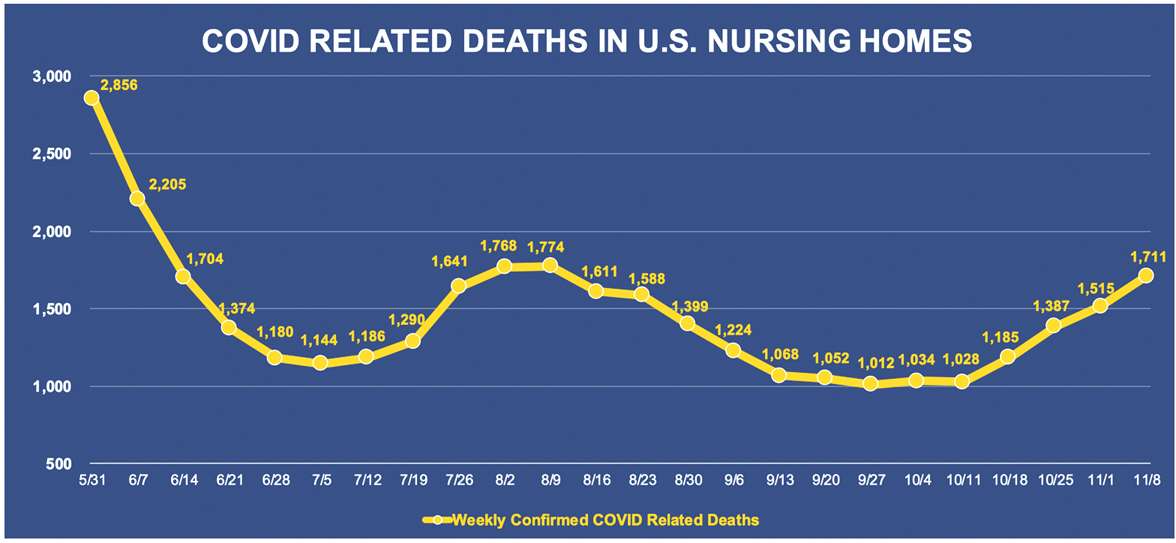
In response to a recent dramatic increase in positive COVID-19 cases statewide, SSM Health St. Anthony is temporarily unable to welcome visitors to its facilities. With some exceptions for cases such as labor and delivery, pediatrics and compassionate care, only patients will be permitted to seek care within SSM Health St. Anthony facilities. Visitors will not be permitted until further notice.
“As COVID-19 numbers increase in our state, we continue to treat patients at all levels of care across medical conditions, including COVID-19,” said Tammy Powell, president, SSM Health St. Anthony Hospital. “As caregivers, we take seriously our duty to exhaust every measure in our toolkit to slow the spread of this virus. We have reached the point of community spread that we believe moving temporarily to a ‘no visitor’ policy is the most responsible course of action for our patients, employees and, ultimately, the larger community.”
All entrants to SSM Health St. Anthony facilities will continue to be required to wear masks or cloth face coverings and are subject to screening. “We look forward to a day when the curve has been flattened and we can welcome visitors into our facilities, and we will certainly be watching numbers and adjusting our policies accordingly as time marches on,” Powell said. “Until that point, we encourage Oklahomans to help us fight COVID-19 by wearing masks, washing their hands and keeping a safe distance from one another – we’re all in this together.”

Top Vietnam Air Ace Headlines Midwest City Veterans Day Event

0
Capt. Charles B. DeBellevue, Vietnam Ace F-4D Phantom at Udorn AB, Thailand As a captain, DeBellevue became the first non-pilot ace and the leading ace in the US Air Force during the Vietnam War. He was an F-4 weapon system officer with the 555th Tactical Fighter Squadron. (U.S. Air Force photo)

story and photos by Darl Devault

Now 75 and living in Edmond, Okla., U.S. Air Force Colonel (ret.) Charles B. “Chuck” DeBellevue became America’s only ace with six MiG kills to his credit over the skies of North Vietnam as an Air Force weapons systems officer (WSO) in 1972. (story continues below)


This Veterans Day he will talk about flying the supersonic F4 Phantom at the rededication of the Midwest City High School Vietnam Veterans Memorial at 1 p.m. November 11 at the high school at 213 West Elm. America’s top ace of the Vietnam War, he is also the last ace to serve on active duty.
“It is an honor to speak at this rededication as I salute the men and women who have served,” DeBellevue said recently, “especially those who served in the Vietnam War, and those who currently serve and now sacrifice daily to keep our proud country free.”
This Veterans Day he was scheduled to be the grand marshal at the Welcome Home Vietnam Veterans! themed-parade at 10 a.m. Nov. 11 in Midwest City. Although the parade has been cancelled due to health precautions, DeBellevue will be featured at other veterans-related events. America’s top ace of the Vietnam War, he is also the last ace to serve on active duty.
“It was to have been an honor to be grand marshal at this parade as I saluted the men and women who have served,” DeBellevue said recently, “especially those who served in the Vietnam War, and those who currently serve and now sacrifice daily to keep our proud country free.”
An ace is defined as an aviator who has shot down at least five enemy aircraft in air-to-air combat. The Air Force and the Navy awarded equal credit to both the pilot and WSO in the F-4D Phantom II since they worked in tandem in two different cockpits.
Between May and September of 1972, DeBellevue shot down six enemy MiGs while flying with two different pilots in four separate engagements.
DeBellevue remembers the excellent ground support when he flew his F-4 from Udorn Royal Thai Air Force Base during the Vietnam War. The maintenance and munitions crews and the support from other base personnel helped him survive many dangerous missions.
“I knew that I had the best support in the world,” he says. “Anytime I can repay that support, I’m there.”
He was raised in Crowley, La., a small town in the middle of rice-growing country in the southwest section of the state. In 1968 he was commissioned through the Reserve Officer Training Corps at the University of Southwestern Louisiana, now the University of Louisiana-Lafayette (the Ragin Cajuns).
Getting commissioned and graduating at the same time, DeBellevue skipped graduation. The colonel who spoke at his commissioning ceremony left the new officers with an ominous statement: “May you serve in interesting times!” How true those words proved for the future ace.
Area residents in and around Tinker Air Force Base have some understanding of DeBellevue’s role in the air war over Vietnam. Near the 552nd Air Control Wing area on the base is an EC-121 aircraft, the model that supported DeBellevue on his missions into North Vietnam. The EC-121, call sign “Disco,” is an earlier version of the Boeing E-3 Sentry AWACS aircraft used today.
The crews on the AWACS planes give crucial support for today’s fighters, providing surveillance, command and control, and communications. They feed data to fighters electronically and communicate by voice. Most of the AWACS aircraft are based at Tinker.
The USS Chicago, a U.S. Navy heavy cruiser, also provided radar support to the Air Force crews flying MiG Combat Air Patrol (MIGCAP) missions into North Vietnam. Additionally, the Navy aided in tracking and targeting the enemy during bombing missions.
By 1972, air combat over Vietnam had changed with newly sophisticated air-to-air missiles. High technology sensors provided U.S. fighters with remote targeting and data on enemy aircraft.
The pilots and WSOs of the 432nd Tactical Reconnaissance Wing (TRW) had an advantage over U.S. aircrews at other locations. Ten of the wing’s F-4D Phantoms had the new, top-secret APX-80 electronics set, known by its code-name “Combat Tree.” This highly classified system could read the “friend or foe” signals of the transponders built into the MiGs.
This was the same system that North Vietnamese ground-control intercept radar used to discriminate its aircraft from those of the Americans. Displayed on a scope in the WSO’s cockpit, Combat Tree gave the Phantoms the ability to find, identify, and fire at MiGs beyond visual range.
The North Vietnamese air defense system had more than 200 radar facilities that supplied warning and guidance for the MiGs. Combat Tree helped even out the odds for the American aircrews, who in 1972 flew into North Vietnam daily.
In the early years of the war during Operation Rolling Thunder, when the F-105 fighters were going into North Vietnam continuously, it took 100 combat missions to complete a tour. In 1972, it took a year to complete a full combat tour.
Initially, the Air Force put two pilots in the F-4, which is why there was a control stick in the back cockpit. The U.S. Navy and U.S. Marine Corp never put pilots in the rear cockpit of their F-4s except in their training squadrons. DeBellevue was well-versed in all the different systems in the F-4 and could fly the jet and refuel if needed.
His aircraft carried two electronic-warfare jamming pods on missions into North Vietnam. This gave the fighter a system of electronic counter measures that helped defeat the surface to air missiles (SAMs) fired at them. “When a SAM was fired at your aircraft, you had only one chance to react,” DeBellevue said. “If you did not see the SAM or panicked, your aircraft was destroyed.”
While there were other two-seat fighters in the Air Force, the F-4 was the first two-seat combat aircraft that employed the talents of a WSO in a multi-role environment. The fighter had a solid air-to-ground capability and when modified with Combat Tree gave the airmen air-to-air mission superiority in a dogfight. The F-4 was also used as a photo reconnaissance aircraft and as a “Wild Weasel” plane that hunted SAMs.
After graduating from navigator training, DeBellevue went to F-4 upgrade training, where he learned about flying the “Rhino.” Following F-4 training he spent 18 months in the 335th Tactical Fighter Squadron (TFS) at Seymour Johnson Air Force Base in North Carolina, where he honed his flying skills. When DeBellevue was assigned to Udorn Royal Thai Air Force Base, he was very experienced in the F-4.
He reported to the “Triple Nickel Squadron,” the 555th TFS, on Nov. 30, 1971, a time when operations over North Vietnam were halted during negotiations attempting to end the war. In late 1971 and early 1972, Americans were flying missions mostly in Laos and South Vietnam.
In spring 1972, the mission of the 432nd Tactical Reconnaissance Wing at Udorn changed to include missions into North Vietnam. The Laredo High Speed Forward Air Control (Fast FAC) mission, which had been cancelled due to high losses, was restarted. DeBellevue was in the first group of three pilots and three WSOs in the resurrected program.
The Laredo Fast FAC missions were only flown in North Vietnam in an attempt to stop the flow of munitions and supplies to the Viet Cong in South Vietnam. It became obvious to DeBellevue that only those who were very sure of themselves volunteered to join the Fast FAC program, since the missions spent long hours above North Vietnam.
“If you were shot down, the possibility of being rescued was slim,” DeBellevue said. “In combat it is the decisions you make in the blink of an eye that determines whether you live or die.” An average Fast FAC mission was four to six hours long and the planes would cycle to the tanker for refueling once or twice.
DeBellevue was flying MIGCAP missions when he was not flying Fast FAC missions. On May 10, DeBellevue and pilot Steve Ritchie were number three in a formation of four F-4s, call sign Oyster Flight. One and three were flying aircraft equipped with Combat Tree. Oyster Flight was northwest of Hanoi when they picked up MiG indications.
Since they were the first flight into North Vietnam, they started shooting. Three of the four MiG-21s went down. This was 26-year-old DeBellevue’s first kill. DeBellevue’s roommate was a backseater shot down in Oyster 01.
DeBellevue did not see any parachutes prior to the F-4 hitting the side of a hill. “We did not know it, but he ejected just prior to impact,” DeBellevue said. “In three weeks, my roommate managed to evaded capture and walk far enough south so that the rescue helicopters could get to him.”
By this time, DeBellevue, who had over 15 Laredo Fast FAC missions, was selected to be the lead WSO for the Triple Nickel’s MIGCAP formations and started transitioning out of the Fast FAC program. The average MIGCAP mission was about three hours long if it went into North Vietnam by land from the west. It was about five hours long if over the Gulf of Tonkin from the east.
When asked how much time he spent monitoring his instruments during a MIGCAP mission he replied, “85 percent of the time.” When asked how much time he spent looking outside the aircraft, he had the same reply. “You had to do everything all the time,” DeBellevue said.
When the air war resumed with the bombing in 1972, the enemy MiG total was up to 206, an all-time high. The principal matchup was between the two-seat McDonnell Douglas F-4 Phantom II and North Vietnam’s best fighter, the single pilot Mikoyan-Gurevich MiG-21. These air duels occurred during U.S. efforts to protect B-52 bomber strike forces during their time in the target area.
The MiG-21 was a close match in capability with the F-4. The latest, extremely fast MiG-21s had a gun but relied mainly on their Atoll heat-seeking missiles.
The enemy pilots usually employed hit-and-run tactics. Air Force results against the MiGs improved markedly in the last six months of America’s involvement in Vietnam. In 1972, a fusion center (call sign “Teaball”) to pull together intelligence information from all reconnaissance sources was set up at Nakhon Phanom air base in Thailand.
The main Air Force air-to-air missiles were the radar-guided AIM-7 Sparrow and the heat-seeking AIM-9 Sidewinder. The Sparrow had an effective range of more than 10 miles, compared to about two miles for the Sidewinder.
Fighters escorting the bomb-carrying aircraft never knew where the threat would come from. They normally stayed close to the planes they were protecting so as not be caught out of position during an attack.
DeBellevue’s MIGCAP missions, however, were not escorting any flight loaded with bombs. Instead, they were the blocking force preventing the MiGs from getting close to the F-4s with bombs. The MIGCAP missions had the ability to go after the MiGs wherever they were flying.
“You always had to know exactly where you were flying,” DeBellevue said. “This was especially true when the targets were in the buffer zone just south of China. You had to be on you’re A-game from the time you walked out to the jet until you landed back at Udorn.”
In September 1972, Olds Flight was sent to orbit Phuc Yen airfield, located just north of Hanoi. “This was not a very safe or sane thing to do,” DeBellevue said.
Flying with Capt. John Madden, they intercepted a MiG-21 on final for landing at Phuc Yen. While they prevented him from landing, they were not in a position to destroy the enemy fighter. Olds 03 shot down the MiG with the F-4E’s 20mm gatling gun.
As they crossed the Red River 15 miles west of Hanoi 10 minutes later, DeBellevue picked up a radar target eight miles in front of them. A few seconds later they intercepted two MiG-19s. They had to make short work of these two MiGs because they were low on fuel.
It was a hard turning close-in dog fight. They hit the first MiG with an AIM-9J, and it crashed. “The second MiG-19 was aggressive and a real threat,” DeBellevue said. “We only had a few seconds to spare when we fired the number three AIM-9J. It came off our F-4 and pulled lead on the MiG-19. The missile ended up in the MiG’s engine, causing him to crash.”
That was DeBellevue’s fifth and sixth kills making him America’s top ace in the war. He was no longer allowed to fly combat. He returned to the United States for a seven-week tour of military bases.
DeBellevue returned to Udorn and in the ensuing three weeks flew his last seven missions, none in North Vietnam. He also spent time around the base thanking everyone for supporting the war effort.
His flying record in Vietnam included 617 hours of combat and a total of 220 combat missions, 96 of which were over North Vietnam. At the end of the Vietnam War, his Triple Nickel Squadron had the highest number of MiG kills in the war.
After his combat tour, DeBellevue went to pilot training and then to the front seat of the F-4. “You had to know the rules of flying” DeBellevue said of his new status. “You didn’t always have to follow them. If you had to break a rule to save the jet, break the rule. Have your story ready when you land.”
DeBellevue says he used this same tenet while he was flying, when he had non-flying jobs, and when he worked in civilian jobs after his retirement.
He went on to accumulate more than 3,000 flight hours, including 550 combat hours. His military decorations include the Air Force Cross (making ace), three Silver Stars, three Legions of Merit, six Distinguished Flying Crosses, and 18 Air Medals.
He went on to serve as base commander at Misawa Air Base, Japan, and the air base wing commander at Edwards AFB, Calif. One of his duties at Edwards was to recover NASA space shuttles returning from orbit. His final assignment was at the University of Missouri-Columbia as the commander of the Air Force ROTC detachment. DeBellevue retired in February 1998 with 30 years of service and as the last American ace on active duty.
Following retirement DeBellevue and his wife, Sally, moved their family to Edmond when he accepted a job as a program manager with Frontier Electronic Systems in Stillwater. After turning around the program that he was responsible for, he moved on to other jobs, including one with Oklahoma State University. He now works for Performance Aircraft Services Inc., based in Grapevine, Texas. DeBellevue was inducted into the Louisiana Military Hall of Fame in 2011 and the Oklahoma Military Hall of Fame in 2012. He, along with other American aces, was awarded the Congressional Gold Medal in 2014.

It’s falling leaves, pumpkin spice, and Medicare season!

0
Christina Sibley, B.S. Health studies/Gerontology.

by Cristina Sibley, Sibley Insures Medicare Specialist

Now that Halloween is behind us and visions of Thanksgiving are ahead, there’s still one ghoul left to deal with, Medicare Annual Enrollment. As if anyone who is Medicare age or reaching it could ever forget; the reminders are everywhere! There are so many options that people can feel a bit overwhelmed or don’t know where to start. In order to help bring a little clarity to the chaos, here’s few important things to know or consider this season:

Why all the fuss and hype?
Annual Enrollment Period (AEP) lasts only 7 weeks. It opens October 15th and the last day to enroll is December 7th. In other words, it’s here and gone before you can say pass the pumpkin pie and agent/broker schedules can be filled a week or two in advance.
Changes made during this period take effect January 1st and generally last the entire plan year.
This is the only time of the year that most people can make a change in their prescription drug plan (part D).
This is the only time of year that most people on original Medicare can choose to enroll in a Medicare Advantage plan (part C). This is also the time of year most people on a Medicare Advantage choose another Medicare Advantage plan.

What if I like my plan and my needs haven’t changed?
Your existing plan may not be exactly the same from year to year (Really? Yes, really).
When reviewing your plan each year, will all your medications continue to be covered next year? At the same tier level? Are there any increases or decreases in premiums, copays, co-insurance, or deductibles?
Will your advantage plan change or add new benefits/services? Look for documents in the mail from your plan, starting October 1st, that highlight any upcoming plan changes.

Quality takes time, start early!
Have a list of your needs and medications ready and available. Enter and save your medication list to Medicare.gov for easier comparison between plans.
Make an appointment with your agent or broker right away for a face to face, virtual, or a phone meeting. Enrollments can be completed either way in 2020, but schedules can fill up quickly.
A thorough explanation and understanding of your options is important. You will want time to ask questions, get clear answers, decide, and enroll.
You may change your mind about your plan selection later. Now that Halloween is behind us and visions of Thanksgiving are ahead, there’s still one ghoul left to deal with, Medicare Annual Enrollment. As if anyone who is Medicare age or reaching it could ever forget; the reminders are everywhere! There are so many options that people can feel a bit overwhelmed or don’t know where to start. In order to help bring a little clarity to the chaos, here’s few important things to know or consider this season:
Why all the fuss
and hype?

*Annual Enrollment Period (AEP) lasts only 7 weeks. It opens October 15th and the last day to enroll is December 7th. In other words, it’s here and gone before you can say pass the pumpkin pie and agent/broker schedules can be filled a week or two in advance.
*Changes made during this period take effect January 1st and generally last the entire plan year.
*This is the only time of the year that most people can make a change in their prescription drug plan (part D).
*This is the only time of year that most people on original Medicare can choose to enroll in a Medicare Advantage plan (part C). This is also the time of year most people on a Medicare Advantage choose another Medicare Advantage plan. (story continues below)

What if I like my plan and my needs
haven’t changed?

*Your existing plan may not be exactly the same from year to year (Really? Yes, really).
*When reviewing your plan each year, will all your medications continue to be covered next year? At the same tier level? Are there any increases or decreases in premiums, copays, co-insurance, or deductibles?
*Will your advantage plan change or add new benefits/services? Look for documents in the mail from your plan, starting October 1st, that highlight any upcoming plan changes.
Quality takes time, start early!

*Have a list of your needs and medications ready and available. Enter and save your medication list to Medicare.gov for easier comparison between plans.
*Make an appointment with your agent or broker right away for a face to face, virtual, or a phone meeting. Enrollments can be completed either way in 2020, but schedules can fill up quickly.
*A thorough explanation and understanding of your options is important. You will want time to ask questions, get clear answers, decide, and enroll.
*You may change your mind about your plan selection later. Meeting early in the season gives you the opportunity and time to make changes before the December 7th deadline.
Know your agent or broker and put
them to work!

*If you work with an agent or broker let them do the hard stuff, that’s what you have them for. Let them do the research and bring several choices, that fit your situation, back to you. Once your decision is made, they fill out the paperwork or do the computer work, so you can relax. Many will also serve as your advisor and liaison with your plan through the year. They’ll help you handle questions on the phone or even in person, whenever you need them.
*An agent/broker has a state license and specialized Medicare training and testing over regulations and products, updated annually. They are professionals who are there to help you make sense of it all. If you have an agent/broker, ask for several cards and/or ask them to program their phone number into your cell phone.
*A broker is contracted with multiple insurance companies. They service their client across companies and can directly compare companies for the client. If their client decides to change insurance companies or have a drug plan with one company and a supplement with another, for example, they can stay with the same broker.
Last, but not least, protect your interests and information!

*Be wary of unsolicited Medicare phone calls.
*Don’t give sensitive personal information, such as your social security number, over the phone. Social security numbers are not required or allowed for Medicare drug plan or Advantage plan enrollments.
*It is perfectly fine and should be welcomed to have a trusted friend or family member at your appointment with an agent/broker. If you don’t have an agent/broker, ask a friend or family member to refer you to one they know and trust.
*Remember, ethical and regulation compliant agents/brokers will NOT use high pressure or scare tactics.

https://www.sibleyinsures.com/

Happy 100th Birthday!

0
It’s hard to believe that June Ranney celebrated her 100th birthday on October 21, 2020. Friends and family drove by June’s house with birthday wishes on her special day.

Still Going Strong

photo by Vickie Jenkins

It all began in San Coulee, Montana when a precious baby girl was born on October 21, 1920 and was given her first gift, the name June Rose. At age four, June’s family moved to St. Louis, Missouri and lived there until June’s marriage to Robert Lee Ranney in 1942. A beautiful woman, inside and out, June turned one hundred years old on October 21, 2020. A friendly individual that always has a smile, the love she has for others shines bright!
Staying active keeps June feeling young and staying healthy. She is a member of Central Presbyterian Church where she has been an active member since 1957, serving as trustee and literalist. A charter member of Metro Camera Club since 1977, and still going strong, June was honored with the June Ranney Gallery in the Will Rogers Rose Center, highlighting outstanding Metro Camera Club photographs. June is also a member of SeniorNet Computer Club, which she joined in the mid eighties. Her volunteer work includes: Girl Scout leader, serving at the Red Andrews Christmas Dinner, helping with the archives of the Oklahoma City National Monument where she received an award in her name plus serving as past president of the American Business Women’s Association. (story continues below)


The mother of five children and widowed in 1967, June still lives in the house where she captured heartfelt memories with her family. “I think the one thing that surprises most people is the fact that I have lived in this house since 1957 and I still take care of everything myself,” June said. “That includes house-pick-up on a weekly room by room schedule, washing, ironing and mending when needed,” she added. “Plus, I have plenty of desk work; mail and email to keep me busy in my office,” she said with a smile.
Asking June what she contributes her good health to, she replied, “Proper diet, dwelling on the positives and never the negatives. I have never been one to smoke or drink and I can say that is over a lifetime. My number one hobby is flower gardening which I have been doing since fourth grade. My gardening gets excessive in season but I do it all myself and I love every minute of it. The garden is full of beautiful flowers in the spring.” I could tell she was very proud of her garden when she spoke of it. ”I also enjoy crossword puzzles, and I have done knitting and sewing in the past,” June added. June is a very talented horticulturist as well and an avid railroad enthusiast and collector.
June attended Beaumont High School. “My first job in St. Louis after college was at a community center teaching crafts to youngsters In the summertime. I taught games, crafts and dancing to youngsters in a summer program setup on the school grounds,” June said. “There was always a pageant with acting and dancing at the end of summer. I was so fortunate to be assigned to the school across the street from my home. It was a fun time working with them.”
“Shortly after my marriage, my husband and I moved to Davenport, Iowa. After Beaumont, I attended Harris Teacher’s College and graduated from there in 1942. I never did teach there. However, it was during war times, and I found a well paying job working for the War Department in the inspection office of a tank factory,” June commented.
“I lived here in Oklahoma City and was working for Dr. Jack Hough of the Otological Medical Center where I worked for fourteen years. I assisted the doctor in the examining rooms, did X-rays, counseled with patients about their particular hearing problems and did Electronystagmography, which was an extensive two hour test.”
“For several years I had an in-home candy making business for the Christmas trade only, working several months only to produce June Ranney’s Brown Pecan Fudge. I hired two women working in the mornings only. There were many local orders and they shipped to twenty-three states and Puerto Rico. I once was told that an order had been parachute dropped in Vietnam,” June commented.
June Rose Ranney, born on October 21, 1920, is an outstanding individual of Oklahoma City, OK. Whereas, it is fitting and proper that the Oklahoma House of Representatives, acting on behalf of the citizens of the Great State of Oklahoma, does hereby send best wishes to June Ranney upon the auspicious occasion of her 100th birthday.

Small but Mighty Volunteer Team Continues Helping Seniors During COVID

0
Harrah Senior Citizens Center volunteers and employees did not stop when the pandemic hit. Each day, they prepare 100 meals for pickup and delivery for seniors. Pictured here, l to r, are Shirley McKinney, Kim Reynolds, Caroline Rutledge, and Carol Sowle.
Pictured here are Harrah Senior Citizens Center volunteers, l to r, are Chuck Brimer, Rosemary Vermillion, Dana Burgin.

Shirley McKinney, a long-time volunteer at the Harrah Senior Citizens Center, answers phone calls while the kitchen full of fellow RSVP of Central Oklahoma volunteers moves in a swift, almost rhythmic, motion.
Since the pandemic, the Center’s five volunteers, all seniors themselves, and four staff members have not skipped a beat. When COVID-19 hit, the Center closed for gatherings, but the small but mighty team shifted into high gear, meeting a big need in their community for seniors now stuck at home—meals.
“We went from serving 60 meals a day before COVID to preparing 100 meals a day for delivery and drive-by pickup,” said Harrah Senior Citizens Center Director Kim Reynolds. “And our volunteers have showed up every day.”
In August, the Center served more than 3,200 meals. The ability to meet this continuing need is possible only with the help of the volunteers, staff, and the financial support of the Oklahoma County Nutrition Program, the City of Harrah and Areawide Aging Agency, said Reynolds
Prior to COVID-19, seniors came to the center five days a week for exercise classes, card games, snacks, conversation, and lunch. The Center also offers medical appointment and shopping services, which had to be put on hold for a few weeks. Volunteers make phone calls to check in with the homebound seniors. Some of the programs have recently opened back up—medical appointments and shopping trips, and patio bingo just started. Reynolds hopes that the Center will be completely reopened by early November.
“It is a very important social connection for our seniors,” said Reynolds. “If we weren’t here during this time, I’m concerned we would have lost some of our seniors.”
Shirley McKinney has volunteered with the Center for 25 years. In fact, she says, she started volunteering before she was even a senior herself. She has done a little bit of everything over the years from serving on the board and filling out daily Nutrition Program reports to preparing meals, selling dinner and auction tickets.
“Being here for me and for a lot of the seniors is like having another family,” she said. “It helps people to have a place to go to and get out among people. That’s why it’s been so important to stay connected with our seniors during COVID. The Center helps people to not be so lonely.”

TRAVEL / ENTERTAINMENT: Entertainment: In The Presence of Greatness – Part Five

0
Jonathan Beck Reed in a 1995 Will Rogers Follies.

Photography and Text by Terry “Travels with Terry” Zinn t4z@aol.com

With so much time on our hands it is comforting to look back on the opportunities you had with experiences with the talents and charisma in theater. November of course is a time for Thanksgiving, and I know you are as I am, being grateful for gabbing significant experiences.

Peter Cincotti at the Edmond Jazz Lab.

Three such persons for which to be thankful are, actor-teacher, Jonathan Beck Reed, choreographer and dancers, Derek and Julianne Hough, and singer musician, Peter Cincotti.
Well known to avid theater goers of Oklahoma is Jonathan Beck Reed. He started his acing career as a child in Lyric Theaters “Carousel” in the early 1970’s. As a professional he toured the nation as Harold Hill in “Music Man” and reprises the role a September ago when he led the Concert Version at OCC, which featured many familiar Oklahoma Actors. Besides portraying the epitome of Harold Hill, another memorable role was as Brick in “Cat On A Hot Tin Roof,” presented in the now razed Theater Center, as well as Tevye in “Fiddler on the Roof.”
Perhaps my favorite was in the “Will Rogers Follies,” where his charm and talent exceed expectations of any Will Rogers fan. Among other venues the “Follies” was presented on a mobile stage in 2007 at the State Capital for the Oklahoma Centennial Festival of Statehood. Currently Reed is again Ebenezer Scrooge in Lyric’s holiday favorite, “A Christmas Carol,” this year presented outside at the Harn Homestead in Oklahoma City. The duel cast show runs through mid-December, so bundle up and get your tickets as there is only one hundred available for each show. Besides his versatility, if for no other reason he qualifies as Greatness for his professional longevity. It has been my pleasure to have seen Jonathan Beck Reed in many productions.
Fans of “Dancing With The Stars,” TV show already know of Derek Hough’s dancing and choreography skills. He has won many awards for his choreography. His radiant personality and inventive dance makes him a natural for admiration. He was in Oklahoma City a few years back with his touring dance show. Seizing the opportunity, I bought a high-priced VIP ticket which included a personal short meet and greet before the performance. This event was well attended.
The production company allowed personal greetings with arms over shoulders for a commemorative photograph. Before the greeting patrons could pose in front of a “green screen”, producing their image alongside Derek and sister, Julianne dancing. This image was either presented in hard copy form or in a digital file. Seeing Derek, now a “Judge on Dancing with the Stars,” and in special TV appearances, gives a personal connection to dancing greatness. I think the choreography was equal to the great Gerald Arpino, of Joffrey Ballet fame, which I saw decades ago in Wichita Kansas’s Century Two theater. That night in Oklahoma City it was my pleasure to relay that evaluation comparison to Derek and Julianne during our brief Meet and Greet.
Sometimes you just happen upon concert greatness, as I did at Edmond’s intimate Jazz Lab where touring Jazz pianist and singer, Peter Cincotti performed. While the drums and bass were a little overpowering in person, as often can happen with live combos, Cincotti’s talent and song empathy came through strong and clear. Putting his talent aside, his good youthful looks made a charismatic hit with the audience. As a hardworking professional he showed appreciation for his audience by staying over to sign autographs, CDs and a poster, which is now on display in the Lobby of the Jazz Lab. Later, listening to several of his CDs refreshed the memory of an exceptionally good time. Some songs elicited mature good-natured attitudes on love and dating, and others were just slow and heartfelt. Wanting a reprise performance by scouring his web page I could not find an appearance near Oklahoma, nor wanted to hop a plane to Japan. This reaffirmed the slogan, get while the getting is good, as it may be a onetime thing. I returned to the Jazz lab to take in theatrical productions such as, “Merry We Roll Along,” “The Grass Harp” and university faculty concerts.
Thanks to you my readers for joining me in my reminiscences, that only Seniors can do, and hoping this encourages you to do the same, and revel, enjoy and congratulate yourself for your good time choices.

Mr. Terry Zinn – Travel Editor
Past President: International Food Wine and Travel Writers Association
3110 N.W. 15 Street – Oklahoma City, OK 73107
https://realtraveladventures.com/?s=terry+zinn
https://realtraveladventures.com/?s=zinn
http://new.okveterannews.com/?s=TERRY+ZINN
www.martinitravels.com

Greg Schwem: Let’s make Halloween the new Thanksgiving

0
Greg Schwem is a corporate stand-up comedian and author.

What is it about Thanksgiving that causes my heart to beat more rapidly as the day draws closer?
This doesn’t happen with other holidays; even if the Amazon delivery person failed to arrive on Christmas Eve with all the gifts I’d purchased for my family, I’d be fine. On Christmas morning, I would just announce that their gifts will be “arriving soon” and then happily open my gifts while they watched.
But Thanksgiving? Four years ago, I wrote about my desire to cancel it, so entrenched was this country in the Trump vs. Hillary debate. In 2018, to keep dinner conversations calm and civil, I suggested infusing all food items with CBD, the trendiest over-the-counter chemical compound at the time. Since then, 11 states have legalized recreational marijuana, greatly increasing the odds that at least one relative at your holiday table comes prepared and can sprinkle “something a little stronger” into the turkey if civility is your only goal. Plus, it might be fun to watch your rigid aunt giggle uncontrollably and then be unable to answer when you ask her, “What is so funny?”
Last year I doled out advice to those with extended families who might have to endure two Thanksgiving dinners in order to keep peace and harmony intact. My suggestion? Serve lasagna containing ground turkey at one of the meals. You’re still having turkey, technically, and cleanup will be much easier.
Which brings us to 2020, a cesspool of a year even if it didn’t contain the presidential election. Dr. Anthony Fauci, everybody’s favorite medical advisor unless you’re a diehard Trump supporter, suggested in a recent CBS interview that families consider canceling the holiday to ward off the spread of coronavirus. Too many people from too many locations gathered in a single household is exactly what this country doesn’t need now.
“You may have to bite the bullet and sacrifice that social gathering,” Fauci told CBS anchor Norah O’Donnell.
Considering that nobody took my 2016 advice to cancel Thanksgiving, I’m confident Fauci’s suggestion will fall on deaf ears. But I have an alternative proposal; one that will allow Americans to remain festive while still heeding all of Fauci’s suggestions for staying virus free.
Combine Halloween with Thanksgiving.
Fauci wants everyone to continue wearing face coverings, correct? Well, arrive for Thanksgiving wearing your scariest, most blood curdling mask. Just make sure the mouth opening is wide enough for turkey and sweet potatoes to pass through. Also, make the rest of your attire as horrifying as possible, thereby encouraging social distancing. Who would want to hug a family member with an axe in his shoulder or hands that resemble claws?
Once all ghouls are seated at the table, serve the plates and then wait for somebody to realize there is no silverware to be found. Announce that all food must be consumed by hand, including the gravy-laden mashed potatoes and the orange Jell-O mold with marshmallows. Everyone will immediately excuse themselves in order to wash their hands. And they will do it again once the meal is over. Somewhere, Fauci will be smiling, just knowing this simple act of hygiene is finally occurring.
Thanksgiving hosts, here’s where it gets really good. After the meal, you’ll be left with guests who are feeling bloated, with hands still vaguely smelling of giblets and struggling to breathe normally due to their masks. As a result, most, if not all, will opt to leave your house early, ripping their masks off as they throw their cars into reverse and peel out of your driveway. Now you can enjoy some peace and quiet on the couch while the dishwasher hums in the background. Cleanup, incidentally, will be easier than a lasagna meal, due to the lack of silverware.
If this works, I have another suggestion: Combine Christmas and New Year’s celebrations. At the least, it will mean we can end 2020 one week earlier.
(Greg Schwem is a corporate stand-up comedian and author of two books: “Text Me If You’re Breathing: Observations, Frustrations and Life Lessons From a Low-Tech Dad” and the recently released “The Road To Success Goes Through the Salad Bar: A Pile of BS From a Corporate Comedian,” available at Amazon.com. Visit Greg on the web at www.gregschwem.com.)
You’ve enjoyed reading, and laughing at, Greg Schwem’s monthly humor columns in Senior Living News. But did you know Greg is also a nationally touring stand-up comedian? And he loves to make audiences laugh about the joys, and frustrations, of growing older. Watch the clip and, if you’d like Greg to perform at your senior center or senior event, contact him through his website at www.gregschwem.com)

OKC ZOO ANNOUNCES BIRTH OF ENDANGERED INDIAN RHINO CALF

0
Niki, the zoo’s 13-year-old Indian rhino, gave birth to a healthy calf at 3:25 a.m.on October 23, 2020. (OKC Zoo)

The Oklahoma City Zoo and Botanical Garden is thrilled to announce that Niki, the Zoo’s 13-year-old Indian rhino gave birth to a healthy calf at 3:25 a.m. today, Friday, October 23, 2020. This new arrival is the first calf born to breeding pair Niki and father, Arun, 29, and the sixth Indian rhino, also known as the greater one-horned rhino, born at the OKC Zoo. The OKC Zoo has been home to Indian rhinos since 1981.
The calf was born in the early morning inside the Zoo’s rhino barn at Sanctuary Asia and discovered by caretakers when they arrived to start their day. An initial visual exam performed by the Zoo’s veterinary and animal care teams determined that both mom and calf are doing well. The calf is strong, standing on its own and nursing. At this time, the gender of the calf is still unknown as it continues to stay close to mom, enjoying some quality bonding time with her.
“We are very excited to welcome a new addition to our rhino group and to see that calf and mom are doing excellent,” said Rachel Emory, OKC Zoo’s curator of elephants and rhinos. “Indian rhinoceros are listed as a vulnerable species, so every successful birth is important, not just to us, but to the population as a whole.”
Mom Niki came to the OKC Zoo in 2009 from the Bronx Zoo and father Arun, 29, arrived from the Fort Worth Zoo in 2019 as part of a a breeding recommendation by the Association of Zoos and Aquariums (AZA) Greater One-Horned Rhinoceros Species Survival Plan (SSP). SSP programs were developed by AZA to oversee breeding management and sustainability of select animal species within AZA-member zoos and aquariums. The Zoo’s Sanctuary Asia is also home to adult, female Indian rhino, Shanti, 32, who also came from the Fort Worth Zoo with Arun.
The gestation period for Indian rhinos is approximately 16 months. The average birth weight for an Indian rhino calf is 120 pounds. Newborn Indian rhinos lack the distinctive horn of the adult rhino. Instead, they have a flat, smooth oval plate that eventually forms into a horn.
Native to northern India and southern Nepal, Indian rhinos are currently listed as “vulnerable” by the International Union for the Conservation of Nature. Through conservation programs, wild populations over the past century have recovered from under 200 animals to approximately 3,600 today. However, there is a continuing decline in the quality of their natural habitat and the species continues to be illegally hunted for its horn.
The OKC Zoo is helping save Indian rhinos by supporting the International Rhino Foundation’s efforts to protect vulnerable and critically endangered rhinos and their habitat in India with money from the Round Up for Conservation Fund. The Zoo’s Round Up for Conservation program encourages guests to donate their change from any Zoo purchase to help protect wildlife and wild places around the world. Plus, the Zoo’s American Association of Zookeepers chapter has raised more than $373,000 for rhinos in Asia and Africa through its fundraising efforts since 1990.
The Zoo will continue to share updates on the rhino calf and mom, Niki, on social. Weather permitting, the two could be visible to guests from their habitat at Sanctuary Asia as early tomorrow!
A sweet treat just in time for Halloween, come out to the Zoo this fall and meet our new rhino calf! The Oklahoma City Zoo is open from 9 a.m. to 5 p.m. daily. Advance tickets are required for all guests and ZOOfriends members and can be purchased at http://www.okczoo.org/tickets. Zoo tickets are limited each day to ensure safe social distancing among guests. Located at the crossroads of I-44 and I-35, the OKC Zoo is a proud member of the Association of Zoos and Aquariums, the American Alliance of Museums, Oklahoma City’s Adventure District and an Adventure Road partner. Regular admission is $12 for adults and $9 for children ages 3-11 and seniors ages 65 and over. Children two and under are admitted free. Stay up-to-date with the Zoo on Facebook, Twitter and Instagram and by visiting Our Stories. Zoo fans can support the OKC Zoo by becoming a member. Memberships can be purchased at ZOOfriends.org or any place admission is sold in the Zoo’s Entry Plaza during regular business hours. To learn more about this event and Zoo other happenings, call (405) 424-3344 or visit okczoo.org.

Beatles vs. Stones tribute show to return to Oklahoma City stage

0

Full COVID Protocols and socially distanced seating in place at the Tower Theatre

The debate between the Beatles and the Rolling Stones has been going on ever since they first crossed paths on the charts 55 years ago. The argument at the time, and one that still persists, was that the Beatles were a pop group and the Stones were a rock band: the boys next door vs. the bad boys of rock. So who’s better? These two legendary bands will engage in an on-stage, throw down – a musical ‘showdown’ if you will – on Sunday, November 15 at 5 pm at the Tower Theatre courtesy of tribute bands Abbey Road and Satisfaction – The International Rolling Stones Show.
Tickets are sold in groups of 2, 4 or 6 to allow for CDC recommended social distancing. Patrons will be required to wear masks.
Taking the side of the Fab Four is Abbey Road, one of the county’s top Beatles tribute bands. With brilliant musicianship and authentic costumes and gear, Abbey Road plays beloved songs spanning the Beatles’ career. They face off against renowned Stones tribute band Satisfaction – The International Rolling Stones Show, who offer a faithful rendition of the music and style of Mick Jagger, Keith Richards and the bad boys of the British Invasion.
Where did the idea for the show come from?
“Music fans never had a chance to see the Beatles and the Rolling Stones perform on the same marquee,” said Chris Legrand, who plays “Mick Jagger” in the show.
“Now, music aficionados can watch this debate play out on stage.”
The Oklahoma City show is part of a 125 stop tour of the U.S., Australia and Canada and has been touring since 2011.The show also performs long term residencies for a number of the Harrah’s Casino properties. The production includes some of the more popular songs from the two rock pioneers and covers the scope of their musical careers, although the set list for Satisfaction usually includes Rolling Stones songs up to the 1980s.
“They certainly have more pop songs but we’re a really great live show. The fans are in for an incredible night of music!” says LeGrand.
During the two-hour show, the bands perform three sets each, trading places in quick set changes and ending the night with an all-out encore involving both bands. The band members have their outfits custom-made, since avid fans know exactly what the Beatles and Stones wore onstage during different time periods in their careers. There’s a lot of good-natured jabbing between the bands as well.
“Without Beatlemania, the Stones might still be a cover band in London,” said Chris Overall, who plays “Paul”.
“There’s no question that the Beatles set the standard.”
The audience naturally enjoys top shelf tributes to two legendary bands in the same evening. Like The Idaho Statesman said: “If you see only one tribute show, see this one…smart and loads of fun.”
“It’s just a fun time and a cool back-and-forth nonstop show,” Overall said.
“We’re going to bring it all. It’s going to be an evening of high-energy music,” said LeGrand.
Calendar: The two greatest rock ‘n’ roll bands of all time face off as the Tower Theatre hosts tributes to the Beatles and the Rolling Stones. Renowned tribute bands Abbey Road and Satisfaction – The International Rolling Stones Show engage in a musical showdown of the hits. Back by popular demand, Beatles vs. Stones – A Musical Showdown returns to the Tower Theatre on Sunday, November 15 at 5 pm. Tickets are $30 – $65, plus ticket fees, and may be purchased online at www.towertheatreokc.com. Tickets are sold in groups of 2, 4 or 6 to allow for CDC recommended social distancing. Patrons will be required to wear masks. The Tower Theatre is located at 425 NW 23rd Street, Oklahoma City, OK 73103. The show is appropriate for all ages.

Social

0FansLike
0FollowersFollow
0SubscribersSubscribe