Tuesday, December 30, 2025

Hearing Loss Association Scholarship Winners Announced

0
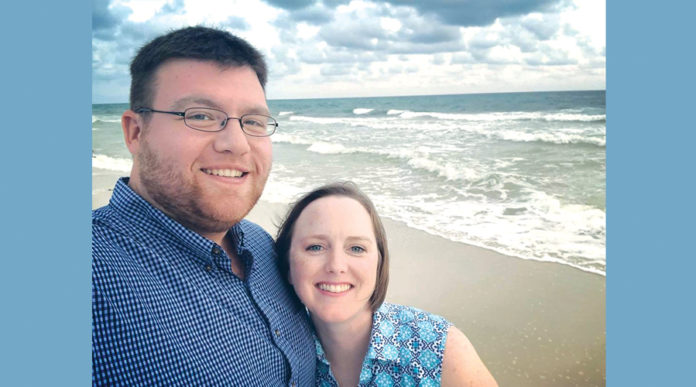
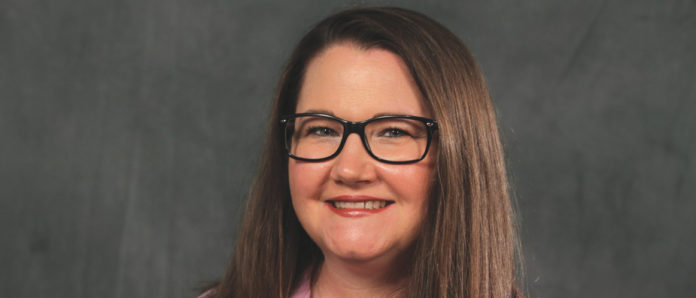
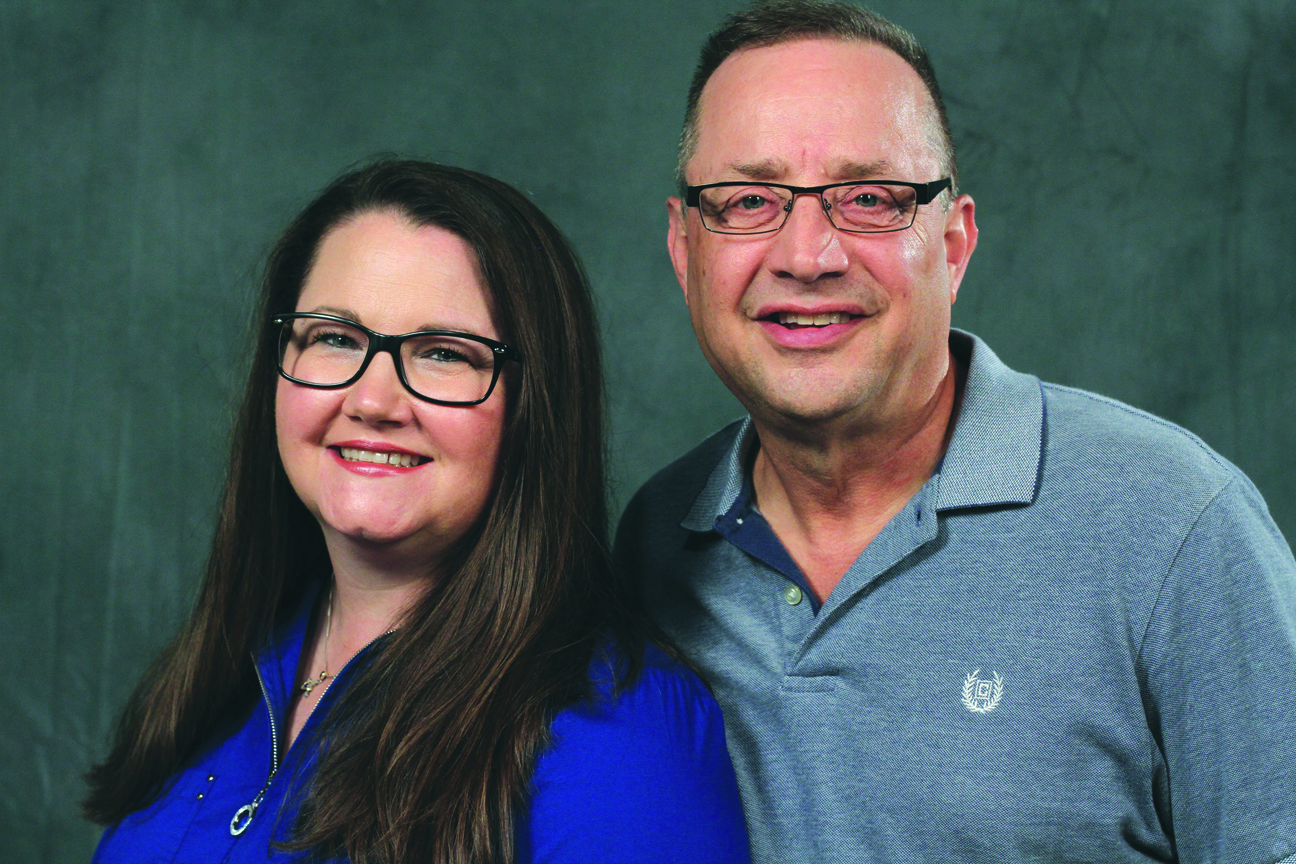
Zachary Burlison, Cassidy Floyd and Mackenzie Chesnut

The Board of Directors of the Hearing Loss Association of America Central Oklahoma Chapter (HLAA) is pleased to announce the recipients of the 2020 HLAA Scholarship. This year’s scholarship award winners are Zachary Burlison, Mackenzie Chesnut and Cassidy Floyd.
The HLAA established the scholarship program to assist Oklahoma high school students with hearing loss to continue in higher education.
Traditionally, scholarship winners are announced at the annual HLAA Ice Cream Social which was cancelled this year due to the COVID-19 pandemic and social distancing restrictions. The awards were presented in person at their home by members of the Scholarship Committee.
“Hearing loss in the classroom can be extremely difficult and our scholarship recipients have excelled despite the challenges,” said Sharon Hendricks, Scholarship Committee Chair. “We are confident in their futures and look forward to hearing their success stories.”
The HLAA is one of Oklahoma’s oldest nonprofit groups, founded in 1990 to help Oklahomans with hearing loss live successfully in the hearing world. The scholarships are offered through donations from members and local businesses. The HLAA is currently accepting matching donations from Oklahoma audiologists and hearing professionals.
Zachary Burlison was born with severe complications and started wearing hearing aids at 10 weeks. His parents, Keith and Tammie Burlison from Bethany, OK believed hearing was extremely important to a child’s development and they took immediate action to see that he had every opportunity. Burlison found that he was able to compete and excel where ever he applied himself including varsity football, National Honor Society and achieving the rank of Eagle in the Boy Scouts. Burlison is headed to Oklahoma State University this fall where he plans to major in marketing and to work in social media. Burlison hopes to spread the word to parents of children with hearing impairment that wearing a hearing aid will not affect their ability in the classroom or on the sports field.
Mackenzie Chesnut is the daughter of Darwin & Bridgett Chesnut from Coctaw, OK. Her hearing loss journey began at age 14 when she woke up with an ear infection. She soon became the one of her pediatrician’s oldest patients and received her first hearing aid as she entered high school. The adjustment was made easier by her mother who also wears a hearing aid. Chesnut discovered her hearing aid helped in school, especially with the male teachers with low voices because her hearing loss is in the lower register. She experienced the common embarrassment when she first received her hearing aids, but her mother empowered her to be unafraid to be different. The advice soon became her motto that flaws are beautiful and should be embraced. Becoming hearing impaired as a teen gave her a drive and purpose. She hopes to encourage people with hearing loss to talk about it and not be embarrassed. She says that her audiologist, Dr. Emily Mills from Hearts For Hearing in Oklahoma City has made such a positive influence in her life that she wants to do the same for others. Chesnut plans to study audiology and will attend OSU-OKC this fall.
Cassidy Floyd will be attending Northeastern State University in Tahlequah after attending Eastern Oklahoma State College and playing softball for two years. Cassidy plans to become a math teacher and coach so she can give back and show her students that while life may not be perfect, it is wonderful and anything is possible. Floyd is the daughter of Tony & Clara Floyd of Roland, OK and was born with hearing loss in one ear which made a major impact on her life. The hearing loss required her to learn to be more self-reliant, but also showed that it is OK to ask for help. Many teachers, coaches, family & friends supported her through her schooling. Floyd learned that when you put on a hearing aid you almost become a different person; one who can be involved in a classroom discussion, can communicate in a group setting with background noise, and doesn’t feel left out. With her hearing aid Cassidy said, “I feel more comfortable out in the world and am ready to take on more challenges.”
The HLAA Central Oklahoma Chapter has cancelled the remainder of the 2020 group activities to protect our members and families but offers online support through their website OklahomaHearingLoss.com and on Facebook @oklahearingloss.

GRED SCHWEM: The pandemic, measured in coffee cups

0
Greg Schwem is a corporate stand-up comedian and author.

The now infamous Quarantine of 2020 never had an official start date. Unlike Dec. 25, July 4, Feb. 14 and other calendar days synonymous with celebratory events, the world didn’t simultaneously lock its doors on one particular day and fire up Netflix.
Was it March 16? March 27? Did you hold out until early April before realizing that, because your favorite sports team was canceling its season and your beloved restaurant was locking its doors, maybe you should take this Anthony Fauci guy seriously?
For me, the quarantine began the day my wife returned from Costco, presented me with a 45-ounce container of Dunkin Donuts Medium Roast Original Blend coffee and said, “That ought to hold you.”
Her shopping run also contained the items Americans were grabbing as if the doors to a Brink’s truck had just flung open at 65 miles per hour, scattering $100 bills on the interstate. Toilet paper, sanitizing wipes and gargantuan containers of condiments vied for space inside her SUV. Should an asteroid smash into our home anytime soon, what’s left of my body will be coated in salsa.
The label on the Dunkin Donuts java monstrosity stated I should be able to brew 150 cups. As someone who limits his caffeine intake to one cup of coffee per day, and occasionally skips the beverage altogether in favor of tea or water, I calculated that I should be set for five months.
“Where will I be in five months?” I remember asking myself as I opened the container and scooped the first grounds into my office coffee maker. Surely, I’ll be traveling again, spending nights in myriad hotels as I’ve been doing for the last 25 years due to my profession as a corporate comedian and keynote speaker. With so much time away from my home office, it might be upward of a year before I needed to replenish my coffee supply, I estimated.
Yesterday, while preparing my lone cup, the coffee measuring scoop touched plastic. That’s right, I was approaching the bottom. And, as the coffee brewed, I realized how little had changed from the day I opened the container.
There have been no plane trips or hotel stays. The only change to my morning routine was that I replaced the coffee maker’s charcoal filter after about the 60th cup. Five months after the country shut down, give or take a week, our routines have become so singular that we struggle to remember what they were like pre-pandemic.
Many of us can’t remember the last time we packed a suitcase. Bellied up to a bar. Visited a hair salon. Went to our closet and picked out a suit and tie or a cocktail dress. Hell, I can’t remember the last time I wore pants. Chalk that up to an inordinately warm Chicago summer and the fact that Zoom meetings and Skype video chats only require me to look presentable from the shoulders up.
And yet, I now consistently remember tasks that slipped my mind pre-quarantine. Watering flowers for instance. In previous summers, I would sometimes arrive home to dried up geraniums, as I erroneously assumed they could tough it out for 48 or 72 hours. Not so this year. Each day, between the hours of 7 a.m. and 8 a.m. they receive a drenching and have never looked better.
I walk the dog more, change the bed sheets more often and scrub my bathroom sink more frequently. I cook more, exercise more and watch more television.
Were COVID-19 to be eradicated from the earth tomorrow, I wonder how much of my new routine would remain. Would I return to neglecting the dog and the flowers? Or would I figure out some way to merge my pre- and post-pandemic lives?
Like the rest of the world, I am anxiously awaiting that day. In the meantime, I had better replenish my coffee supply.
Being an optimist, I’m going to stay away from Costco.
(Greg Schwem is a corporate stand-up comedian and author of two books: “Text Me If You’re Breathing: Observations, Frustrations and Life Lessons From a Low-Tech Dad” and the recently released “The Road To Success Goes Through the Salad Bar: A Pile of BS From a Corporate Comedian,” available at Amazon.com. Visit Greg on the web at www.gregschwem.com.)
You’ve enjoyed reading, and laughing at, Greg Schwem’s monthly humor columns in Senior Living News. But did you know Greg is also a nationally touring stand-up comedian? And he loves to make audiences laugh about the joys, and frustrations, of growing older. Watch the clip and, if you’d like Greg to perform at your senior center or senior event, contact him through his website at www.gregschwem.com)

Williams Named Interim Director of OK Medical Marijuana Authority

0
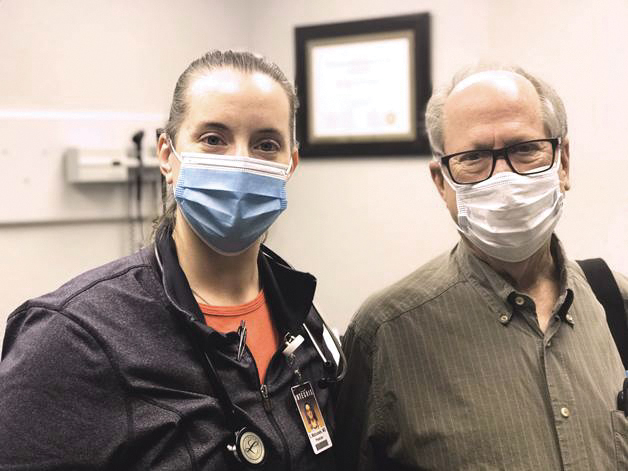
Oklahoma Medical Marijuana Authority Deputy Director Dr. Kelly Williams

Oklahoma Medical Marijuana Authority Deputy Director Dr. Kelly Williams has been named Interim Director. Williams took the lead position after the promotion of Director Travis Kirkpatrick.
Dr. Williams is a life-long Oklahoman who earned her Bachelor’s Degree in Psychology from Oklahoma City University, followed by a Masters and PhD from the University of Oklahoma, both in Quantitative Psychology. Before joining OMMA, Williams served as Oklahoma City University’s Institutional Research Director for seven years. She has been in two Leadership Oklahoma City classes and serves on the Board of Directors for Family Builders as well as the United Way of Central Oklahoma’s Research and Community Initiatives Committee.
Dr. Williams plans to continue and expand on outreach programs to the patients and commercial licensees that are involved in the Medical Marijuana Industry, stating “this is a young agency and we have seen massive growth over the past two years. I look forward to the challenges and the rewards of growing the Oklahoma Medical Marijuana Authority into an agency that will make Oklahomans proud and that happens by ensuring this agency is devoted to our patients, businesses owners, and the citizens of Oklahoma. I look forward to working with these groups as we continue to build the agency and make progress toward our goals.”
Former Director Travis Kirkpatrick was promoted to Deputy Commissioner of Prevention and Preparedness at the Oklahoma State Department of Health. His new role includes oversight of several regulatory areas, including OMMA.

OK Consumers to Have More Health Options for 2021 ACA Plans

0
Insurance Commissioner Glen Mulready

Insurance Commissioner Glen Mulready announced today the 2021 preliminary rate filings for health insurance plans under the Affordable Care Act (ACA). Insurers that currently offer coverage through the Oklahoma Marketplace filed plans requesting average statewide increases of 2.7 percent.
The same three insurers that offered individual health plans on the 2020 Exchange will return for 2021 — Blue Cross Shield of Oklahoma (BCBSOK) , Bright Health and Medica Insurance Company. In addition, Oscar Health, UnitedHealthCare (UHC) and CommunityCare Oklahoma (CCOK) will join the marketplace in Oklahoma for 2021 allowing consumers to have more choices. BCBSOK and Medica offer statewide plans while Bright Health, CCOK, Oscar and UHC serve limited areas of the state.
Moderate rate increase requests and new insurers looking to offer plans in Oklahoma revealed that the Oklahoma insurance market is stable and able to offer multiple health insurance options for all Oklahomans.
“Creating more choices for consumers has been a top priority of mine and it is encouraging to see more insurers enter the Oklahoma market and another year of modest rate change requests. It demonstrates our efforts to stabilize and improve affordability in this market have been working,” Insurance Commissioner Glen Mulready said. “Oklahoma continues to have a healthy, competitive individual health insurance market, and insurers are committed to providing more options for Oklahomans who seek health insurance on the Marketplace.”
Rate filings for 2021 health insurance plans were approved by the Centers for Medicare and Medicaid Services (CMS) and are posted at https://ratereview.healthcare.gov/. Final approved rates will be made public in September.
If you have questions about other insurance issues, contact the Oklahoma Insurance Department at 1-800-522-0071 or visit our website at www.oid.ok.gov.

Johnny Bench Volunteers in OKC

0
Binger’s National Baseball Hall of Famer Johnny Bench on the field as he helps with a youth clinic at Chickasaw Bricktown Ballpark in 2019.

story and photos by Darl Devault

“There’s nothing more Americana than traveling Route 66 and accomplishing it in an RV,’’ Jean Fruth said about their RV with Grassroots Baseball graphics parked on Johnny Bench Plaza at Chickasaw Bricktown Ballpark.

America’s oldest sport, Major League Baseball, was a big question this year until it began playing a 60-game season on TV last month. There is no question Johnny Bench, the only living Oklahoma-born National Baseball Hall of Famer, exudes class by returning to the state as a volunteer to help promote youth baseball.
Seniors often step up to help projects they care about. Overall, the elderly make up a large part of the volunteer population.
In early July last year, the 14-time All-Star catcher returned to the Chickasaw Bricktown Ballpark in Oklahoma City where fans saw him honored by a bronze statue in 2001.
Bench made several volunteer appearances before an Oklahoma City Dodgers Triple-A home game with Round Rock. He was direct while speaking to a youth clinic. “Catch every ball — if you’re going to play, learn how to play properly,” Bench said. “Learn the mechanics. Watch the major leaguers. Watch how the guys here in Triple-A do it.”
The best 20th century catcher was there to help the co-founders of Grassroots Baseball, noted sports photographer Jean Fruth and National Baseball Hall of Fame and Museum President Jeff Idelson. Their new nonprofit promotes the amateur game around the globe, focusing on growing participation at the youngest levels.
The Grassroots Baseball Route 66 Tour recruited Bench with other Hall of Famers and MLB stars from the Route 66 area. They helped deliver baseball instruction, inspiration, and equipment to children in 10 communities along The Mother Road from Chicago to Santa Monica.
Hailing from Binger, Okla., Bench, 72, the former Cincinnati Reds superstar, made that day special for a group of young players. He helped Grassroots Baseball give Rawlings’ donated gloves and balls to each youth. He then joined them on the field for a short afternoon clinic. He walked among the young athletes, coaching proper throwing motions, and encouraging them to play hard to catch every ball.
Interested in players at the Triple-A level, Bench also toured both clubhouses after the clinic. He spoke with many of the players. Many asked for autographs and photos with Oklahoma’s baseball legend who pioneered the now common one-handed catching style.
Bench continued his day as the focus of a news conference about supporting the nonprofit’s effort to encourage youth baseball. “I drilled those youngsters to play properly, to try to catch every ball,” Bench told the reporters. “Baseball offers them so many ways to watch the proper mechanics, they just need learn how to make it work for them.”
Before the game, Bench reversed the tradition of throwing out the first pitch by catching the first pitch, as he is commonly known as the best catcher of his era. Playing baseball’s most physically demanding position, The Sporting News named him the game’s greatest catcher in 1998. He batted cleanup on the Big Red Machine, propelling him to the MLB All-Century Team with more than a million fan votes in 1999.
Once the game began, Bench and Fruth autographed the nonprofit’s first hardcover book for Oklahoma City Dodgers fans. Grassroots Baseball: Where Legends Begin, is authored by co-founder Fruth (Sports Publishing, $60, 224 pages). The book is available and more info is found at www.grassrootsbaseball.com/
“I’m overwhelmed by the wonderful feedback I have received on the book,” Fruth said last month. “Tying baseball heroes back to their roots and the kids who are following in their footsteps has been rewarding and delivers the message of, ‘If I did this, so can you.’”
The book features first-person essays revealing how and where the following baseball careers began: New York–Whitey Ford, Mexico–Fernando Valenzuela, Mobile, Ala.–Hank Aaron, Japan–Ichiro Suzuki, Cape Cod–Craig Biggio, Oakland–Rickey Henderson, Cuba–Tony Perez, Williamsport, Pa.–Randy Johnson, Puerto Rico–Ivan Rodriguez, Tampa, Fla.–Wade, Boggs, Caribbean Series–Juan Marichal, Aberdeen, Md.–Cal Ripken, Jr. , Curacao–Hensley Meulens and Texas–Nolan Ryan.
Bench wrote the book’s afterword. Available in the team store on the concourse, Oklahomans fully embraced their legend’s return, as the book sold out quickly. A recent MLB Now TV Interview with Fruth and Bench about the book is available on YouTube: www.youtube.com/watch?v=dEe1dkl4dZI
Idelson was in OKC right before he was to retire from his role as president following last July’s Induction Weekend. He served baseball in Cooperstown for 25 years, the last 11 as the Hall of Fame’s president.
“The Oklahoma City Dodgers were an incredible partner who identified the kids and allowed them to learn about the game and life lessons from Johnny Bench, not only a Hall of Famer, but a local hero,” Idelson said last month.
After the book signing, Bench finally slowed down when he joined family members and friends from Binger in a suite to watch the game.
The special day revolved around promoting Grassroots Baseball. New author Fruth photographed youth players for possible inclusion in a second book to be titled, Grassroots Baseball: Route 66.
The second book is coming together nicely,” Fruth said last month. “I spent five months on the Mother Road last summer. I am shooting what I can as the country safely opens this summer. The relationship between baseball and Americana is so strong, and documenting the grassroots game, along this historic route, has been rewarding.”
This was not Bench’s first full day at the ballpark. In 2001, he and his longtime manager, fellow Hall of Famer Sparky Anderson, spent a full day there. An appreciative group of Oklahomans celebrated the unveiling of his bronze statue.
A larger-than-life statue honors Bench at the home plate entrance to Chickasaw Bricktown Ballpark near the corner of South Mickey Mantle Drive and Johnny Bench Drive. The ballpark also features bronze statues of Mickey Mantle and Warren Spahn.
You can relive the 2001 dedication of the Paul Moore sculpted statue by reading a verbatim transcript of the news conference preceding and the speeches made at the unveiling at: www.baseball-almanac.com/blog/johnny-bench-statue-dedication-day
During the news conference in 2001, Bench and Anderson talked extensively about those things that set the Red’s greatest home run hitter’s career apart from most Hall of Famer’s. Anderson explained his first exposure to Bench’s talent on the way to his famed 17-year career with the Reds.
Now living in Jupiter, Fla., and raising two young sons, Bench was the Reds catcher from 1967 to 1983. His powerful throwing arm shutting down base stealers led the Reds to back-to-back World Series Championships. He earned the 1976 World Series MVP vote.
Playing a demanding position as much as he did took its toll. Yet, he hit well, right up to the end of his career. He led the National League twice (1970 and 1972) in home runs. He also earned the MVP trophy both of those seasons.
He finished with 389 home runs and 1,376 RBIs, both of which still stand as franchise records in Cincinnati. He led the NL in RBIs three times. When he retired his home run total was the most for any catcher ever.
Bench’s playing career ended in 1983 when he was honored with “Johnny Bench Night.” He showed the packed-house crowd at Riverfront Stadium what they would be missing by hitting a two-run homer in the third inning.
Bench was elected to the Hall of Fame on the first ballot in 1989. The other Oklahoma-born Hall of Famers are Paul and Lloyd Waner, Joe Rogan, Mickey Mantle, and Willie Stargell.
“Johnny (Bench) is special. He cares about the game, he cares about the kids, and he cares about the Hall of Fame,” Idelson said last month. “One of the important roles he plays is spending time with the new inductees each July. He sits with the new members to remind them who they are, where they are, and just how special of a fraternity they have just joined. He encourages them to wear the Hall of Famer mantle well. And to enjoy the experience because there’s nothing like it.”
The Los Angeles Dodgers bought the OKC RedHawks franchise and moved their Triple-A affiliate to OKC in 2014. They have now played five seasons as the OKC Dodgers. The ballpark was selected last month as the 2020 Triple-A Best of the Ballparks in annual fan voting held by Ballpark Digest.

OMRF receives $1.75 million for Covid-19 study

0
Oklahoma Medical Research Foundation scientist Linda Thompson, Ph.D.

The Oklahoma Medical Research Foundation has received a $1.75 million federal grant to study the impact of the coronavirus on Oklahomans.
Funded by the National Institute of Allergy and Infectious Diseases, the two-year project will seek to understand the immune system’s response to the virus and how that immune response varies in different ethnic groups. Additionally, the study aims to understand if the immune response is protective against future infections — or if it might worsen them.
“OMRF has a strong history and wonderful partnerships throughout the state,” said Linda Thompson, Ph.D., who will help lead the project. “That should enable us to quickly obtain blood samples from those who have been exposed to or infected by the coronavirus.”
The researchers will analyze blood donated by volunteers to understand individuals’ differing immune responses to the virus. The OMRF scientists will be looking for biological clues that might identify those individuals most likely to experience a severe response to coronavirus infection.
As a group, Oklahomans are at a somewhat higher risk for life-threatening complications from Covid-19, as they tend to have higher rates of other conditions associated with greater mortality from coronavirus infection: obesity, diabetes, heart disease and high blood pressure.
OMRF is actively recruiting individuals for Covid-19 antibody testing, especially people with these high-risk conditions, those with Native American heritage, and those who know or suspect they have recovered from the virus. If you’re interested in participating, please call 405-271-7221 or email Jackie-Keyser@omrf.org.
OMRF researchers will also be studying the roles and reactions of antibodies that form in the immune response to infection to the virus known technically as SARS-CoV-2.
“Specifically, we need to know if antibodies help fight the virus,” said Mark Coggeshall, Ph.D., who will also help lead the research. Work will focus on a phenomenon called antibody-dependent enhancement, where instead of protecting people from future infections, antibodies could actually make future infections worse.
“We have to understand all aspects of the body’s immune response and which ones correlate to good health outcomes, and we also need to understand how these vary in different ethnicities,” said Thompson. “This knowledge gap needs to be filled quickly to inform vaccine trials, some of which are already underway.”
The new funding comes as a supplement to a grant awarded to OMRF to study the immune system’s response to anthrax bacteria as part of the NIAID’s Cooperative Centers for Human Immunology.
“Our existing research on anthrax has a developed infrastructure to study immune response to a serious viral infection,” Thompson said. “So, we are set up to start this project without having to develop new methodology. The work can, and will, begin immediately.”
Coggeshall, for one, is eager to start the new project. “Our anthrax work is promising and important, but all research efforts right now should be on SARS-CoV-2 and Covid-19,” he said. “There is no more urgent issue to study in the world, and we will do everything we can to help.”
Funding for the research is provided by grant No. 2U19AI062629-16 from the NIAID, a part of the National Institutes of Health.

Myths and Facts About Wearing a Mask

0

Wearing face masks, combined with other preventive measures such as frequent handwashing and social distancing, can help slow the spread of the coronavirus. The Centers for Disease Control and Prevention recommends that everyone over the age of two wear a mask while in public settings. However, there has been much debate about wearing masks and misinformation has spread online. Let’s clear the air about the most common misconceptions regarding masks.
Myth: I’m not sick so I don’t need to wear a mask.
Fact: Simply put, wearing a cloth mask helps decrease the spread of COVID-19. Research now has shown that a significant number of people with COVID-19 lack symptoms. These people do not know they are transmitting the virus to others when they talk, sneeze, cough or raise their voice (e.g. singing or shouting). Wearing a mask helps to lower the transmission of respiratory droplets to other people around you. You should wear a mask to protect others and they should wear masks to protect you.
Myth: Wearing a cloth mask does not protect me from getting COVID-19.
Fact: A cloth mask is worn to help protect others in case you have the virus. Countries that required face masks, testing, isolation and social distancing early in the pandemic have had success slowing the disease’s spread. Common sense also suggests that some protection is better than none. Cloth masks reduce the number of respiratory droplets a person releases into the air when talking, sneezing or coughing. The overall number of droplets in the air is reduced when more people wear masks and this reduces your risk of being exposed to COVID-19.
Myth: A face mask can actually make me more likely to catch COVID-19.
Fact: While some people may touch their face more often when wearing a mask, it’s possible to reduce infection risk with good hygiene. Be sure to wash hands frequently, wash your cloth mask after wearing and know how to properly put on and remove your mask. You can learn more by reviewing guidance on how to wear and care for cloth face coverings.
Myth: Wearing a mask will increase the amount of carbon dioxide I breathe and will make me sick.
Fact: Some people have heard that breathing in CO2 from wearing a mask can cause symptoms like dizziness, lightheadedness, headache and shortness of breath. However, the amount of CO2 created by wearing a mask is miniscule. For many years, health care providers have worn masks for extended periods of time with no adverse health reactions. The CDC recommends wearing cloth masks while in public and this option is very breathable. There is no risk of hypoxia, which is lower oxygen levels, in healthy adults. Carbon dioxide will freely diffuse through your mask as you breathe. If you feel uncomfortable in your mask, try to limit your talking and breathe through your nose. That will reduce the humidity level in your mask. Be aware that once a mask gets wet (perhaps from exhalation), it begins to lose its effectiveness and will need to be washed or replaced.
Myth: If I’m wearing a mask, I don’t need to practice social distancing.
Fact: The CDC recommends widespread use of simple cloth face coverings to help prevent transmission of COVID-19 by people who have the virus but don’t know it. But it’s not a substitute for physical distancing. Everyone should continue to practice recommended behaviors such as:
* Keep your physical distance: Six feet or about two arms’ lengths apart from other people.
* Limit in-person meetings.
* Wash your hands with soap often.
* Stay home if you do not feel well.
* Get a test if you have COVID -19 symptoms. Call your local health care provider to schedule a test.
* Self-isolate if you have been around someone who is sick or tested positive.
As the number of coronavirus cases continues to grow in Oklahoma, using a mask is still among the best methods to prevent community spread.
This item was prepared and sent by INTEGRIS.

‘Tinker Bell’ ties the knot at 90

0
Margaret Kerry and new husband Robert Boeke given a farewell party at the Los Angeles Walt Disney Barn in February. Photo credit In Regions Beyond (YouTube channel) and PetiteGhostess (Instagram)

by Nick Thomas

What could convince a 90-year-old actress – once a model for Disney animators creating the Tinker Bell character of 1953’s “Peter Pan” – to abandon her West Coast home of nine decades and fly off to a new life in Florida some 2,500 miles away?
Perhaps a sprinkle of Disney magical fairy dust was involved when World War II veteran Robert Boeke, now 94, was visiting Amsterdam last summer with friends and stumbled on a store sign for “Tinker Bell Toys.”
“He told the people in the group he had actually dated Tinker Bell – me! – 70 years ago,” explained former model Margaret Kerry by phone from her new home in Sarasota. “One of the people with him decided to find me.”
An internet search led to Kerry’s website, Tinker Bell Talks (see www.tinkerbelltalks.com). Emails were sent and Kerry remembered dating him. The two eventually reconnected last September in North Carolina, followed by marriage in February and the move to Florida soon after.
“We just celebrated our four-month anniversary,” said Kerry when we spoke in mid-June. “And we haven’t yelled at or kicked each other.”
“Well, it’s early in the marriage,” I told her wryly.
“Thank you very much, I’m hanging up right now!” she said, laughing.
Kerry’s film career began at the age of four in an uncredited role in Warners’ “A Midsummer Night’s Dream” (1935) playing – as if to foretell her future – one of the fairies.
I remember it clearly because one of the big studio lights caught fire and Mickey Rooney, who played Puck, dragged me into this little 2” deep stream on the set so I’d be safe from any flames.”
More roles came her way, including a half-dozen “Our Gang” (aka “The Little Rascals”) shorts, although as a member of the Meglin Kiddies troupe of child performers, she received no individual screen credit on some.
Her claim to fairy fame came in her early 20s as the model for Disney’s Tinker Bell. She also modeled for the red-headed mermaid in “Peter Pan” and did her voice.
“June Foray was the brunette mermaid,” recalled Kerry. “One day after a recording session we stepped out on the Disney lot. ‘Why are we trying to get in front of the camera to be actors?’ we asked each other. We realized voice-over work was heavenly because we didn’t have to put on make-up, fix our hair, or get dressed up. And we could read from scripts – no lines to memorize. We both decided right there to go into voice-over acting. June became one of the most famous (eg Rocky of ‘Rocky and Bullwinkle’) and I went on to do about 600 cartoon voice-overs.”
Although it’s been nearly 70 years since Kerry’s famous fairy job, her tiny winged alter ego has never been far away especially during the numerous fan conventions she’s attended for decades. She plans to continue giving talks and lectures.
“Tinker Bell and I share some characteristics – we’re perky and adventurous,” says Kerry, who turned 91 in May. “I think getting married and moving to Florida after living 90 years in California counts as an adventure!”
Nick Thomas teaches at Auburn University at Montgomery and has written features, columns, and interviews for over 800 newspapers and magazines.

HEALTH: A battle that never ends

0
Oklahoma Medical Research Foundation lupus patient Renita Lewis, left, with her daughter Taraya, 19.

For most people, sunshine and warming temperatures serve as welcome heralds of summer. But for Renita Lewis, they can trigger life-threatening disease flares.
“People say, ‘You look too good to be sick,’” said Lewis, 51, of Midwest City. But Lewis, a nurse, suffers from lupus, an autoimmune illness that strikes African Americans like her at disproportionate rates.
Lupus occurs when the immune system becomes unbalanced, leading to the development of antibodies and chronic inflammation that damage the body’s organs and tissues. Sufferers experience periodic disease flares, affecting organs that can include the kidneys, lungs, skin and joints, as well as the cardiovascular system.
According to the Lupus Foundation of America, more than 1.5 million Americans suffer from the disease. Studies have found that it strikes African Americans at roughly five times the rate it affects European Americans.
“We still have a great deal to learn about why African-American women are at greater risk of lupus and at greater risk for major organ damage and early death from lupus than other races,” said Oklahoma Medical Research Foundation Vice President of Research Judith James, M.D., Ph.D.
“We have investigators who are working on genetic and genomic factors, as well as our work which has focused on differences in the body’s major defense system—the immune system. In all likelihood, it’s probably a complicated combination of these factors, and we will keep working until we figure this out.”
Lewis’ first symptoms appeared when she was in her 20s: aching muscles, swollen fingers, skin rashes. But she wasn’t diagnosed until a decade later, by which time she also suffered from shortness of breath, fatigue, asthma, stomach issues and inflammation around her heart. “I don’t have kidney problems, but pretty much every other one of my organs is affected,” she said.
She began daily doses of prednisone, hydroxychloroquine, aspirin and anti-inflammatory medications to control her symptom. Still, over time, lupus has exacted an increasing toll on her body. In March, after a bout of pericarditis—swelling of the membrane surrounding her heart—hospitalized her, she was forced to take short-term disability until she’s well enough to return to work.
For more than a decade, physicians and clinical staff at OMRF, which has been named 1 of only 10 of the nation’s Autoimmunity Centers of Excellence by the National Institutes of Health, have helped Lewis manage her condition. “They’re on the cutting edge of research, especially on autoimmune disease, and they really care about me and want me to have as normal a life as possible,” Lewis said.
As a lupus patient and a healthcare professional, Lewis is happy to participate in research studies on the disease at OMRF. “By donating blood and taking part in studies, I hope I can help researchers develop new treatments,” she said. If scientists are able to understand why it exacts such a heavy toll on African Americans, she said, “That would be a total game-changer.”
In a study published in May in the Journal of Allergy and Clinical Immunology, an OMRF research team led by James moved closer to answering this question.
The scientists found that African Americans with certain risk factors for lupus had elevated activation levels in T cells, which are known to be important in lupus. Meanwhile, European Americans with similar risk factors did not. That may be a reason at-risk African Americans are more likely to develop the disease, said OMRF’s Samantha Slight-Webb, Ph.D., lead author on the study. And the findings could prove key to helping allay the suffering of patients like Lewis.
“Identifying this protective T-cell response could be pivotal in identifying therapeutic targets and potential drugs that may prevent people from transitioning into the disease,” said Slight-Webb. “It would also help us look at drugs—and dosages—differently based on ethnicity to improve outcomes for African-American patients, who are at highest risk for severe disease.”
Lewis would welcome any findings that could help improve her quality of life. Still, she’s more interested in developments that could benefit her daughter, Taraya, 19.
Lewis’ only child, Taraya previously tested positive for antinuclear antibodies, or ANA, an indicator of lupus activity. Taraya also has several relatives on her father’s side with the disease. “So, when she says she doesn’t feel good, I worry,” said Lewis.
Like all mothers, Lewis wants more than anything to protect her child. “If researchers could find a way to prevent lupus from starting, that would be a dream,” she said. “I never want my daughter to go through this.”

For information on treatment or participating in one of OMRF’s studies or trials, please call (405) 271-7745 or email clinic@omrf.org.

This Land is Herland Programs to Examine Oklahoma Women’s Activism from 1870s–2010s

0

The Oklahoma Historical Society (OHS) and the Cherokee Strip Regional Heritage Center (CSRHC) are pleased to present This Land is Herland, a series of three programs on women’s activism in Oklahoma. The programs, sponsored by Oklahoma Humanities, will take place on August 13, September 22 and November 5, all at 7 p.m. The August and September programs will be conducted virtually, with the option to move the November program online as well.
“This Land is Herland brings together nine notable women scholars to explore the activism of Oklahoma women in a series of three public programs,” said Jacob Krumwiede, director of the CSRHC, an OHS museum. “These programs are offered free of charge, but you must register to receive the program link. You can register at www.okhistory.org/herland. Following the presentations the scholars will be available to answer questions from the online audience.”
“The focus is different for each program, but each takes a close look at Oklahoma women who have tried to affect change in the circumstances and environment in which they found themselves,” said Dr. Sarah Eppler Janda, one of the project scholars and co-editor with Dr. Patricia Loughlin of the forthcoming book “This Land is Herland: Gendered Activism in Oklahoma, 1870s–2010s.”
The first program, “The Fluidity of Power,” will take place on Thursday, August 13, at 7 p.m. Though planned to take place at the Museum of the Western Prairie in Altus, the program will be presented virtually for the safety of the participants and the scholars during the ongoing COVID-19 pandemic. The program will consider how women in early Oklahoma found ways to wield power. Topics and speakers for the evening are: “An ‘Intrepid Pioneer Leader’: The A-Suffrage Gendered Activism of Kate Barnard,” by Dr. Sunu Kodumthara, Southwestern Oklahoma State University; “‘My Heart Had Been Burdened for the Orphaned and Homeless Children’: Religious Imperative and Maternalism in the Work of Mattie Mallory,” by Dr. Heather Clemmer, Southern Nazarene University; and “A ‘Loyal Countrywoman’: Rachel Caroline Eaton, Alumna of the Cherokee National Female Seminary,” by Dr. Farina King, Northeastern State University. To register for this free program, please visit www.okhistory.org/herland. Registration closes at 5 p.m. on August 12. The second program, “The Gendered Politics of Civil Rights,” will take place online on Tuesday, September 22, at 7 p.m. This program looks at how Oklahoma women impacted the struggle for civil rights on several fronts. Topics and speakers for the evening are: “‘To Speak so Forthrightly as to Offend’: The Civil Rights Activism and Confinement of Rosalyn ‘Rosie’ Coleman Gilchrist,” by Dr. Sarah Eppler Janda, Cameron University; “Making History: Being an NAACP Plaintiff—Ada Lois Sipuel Fisher,” by Cheryl Wattley, University of North Texas Dallas College of Law; and “Barbara ‘Wahru’ Cleveland and Herland Sister Resources,” by Dr. Lindsey Churchill, University of Central Oklahoma.
“The CSRHC in Enid planned to host the program on September 22, but we have also decided to move this program online,” said Krumwiede. “Details about online registration for this program will be available in the coming weeks.”
The final program, “Contested Notions of Equality,” will be held Thursday, November 5 at 7 p.m. This program will bring the discussion of gendered activism to the present era, with presentations covering American Indian women’s activism, the Equal Rights Amendment and the resurgence of conservative politics.
The topics and speakers for the evening are: “‘My Children Are More Important to Me Than Any Office I Might Hold’: Mary Fallin’s Use of Motherhood as a Conservative Political Strategy,” by Dr. Patricia Loughlin, University of Central Oklahoma; “‘Until We Organized’: Wanda Jo Peltier Stapleton and the Equal Rights Amendment Debate in Oklahoma, 1972–1982,” by Chelsea Ball, University of Oklahoma; and “LaDonna Harris: Comanche Leader, Activist, Matriarch,” by Dr. Amanda Cobb-Greetham, University of Oklahoma.
“We are hopeful that we will be able to hold this final program of the series in person at the Oklahoma History Center in Oklahoma City, but we will make that decision based on conditions in the state as we near the date,” said Krumwiede.
“Each of the programs will be recorded and made available on the OHS YouTube channel at the conclusion of the project,” continued Krumwiede. “Curriculum materials are being developed as a companion to the programs for classroom or homeschool use.” The scholars represented in the public programs are joined by four others in a forthcoming book, “This Land is Herland: Gendered Activism in Oklahoma, 1870s-2010s,” co-edited by Dr. Sarah Eppler Janda and Dr. Patricia Loughlin. It is part of the new Women and the American West series from the University of Oklahoma Press. The anticipated publication date for the volume October 2021. This project is part of OKWomen100: A Century of Women’s Suffrage, the Oklahoma Historical Society’s initiative to celebrate the 100th anniversaries of the passage of the women’s suffrage amendment to the Oklahoma Constitution in 1918 and the passage of the Nineteenth Amendment to the US Constitution in 1920. You can find out more about events, exhibits and resources related to Oklahoma women’s political activism at www.okhistory.org/suffrage.
The program is made possible by a grant from Oklahoma Humanities and the National Endowment for the Humanities. The mission of Oklahoma Humanities (OH) is to strengthen communities by helping Oklahomans learn about the human experience, understand new perspectives, and participate knowledgeably in civic life. OH is a private, 501(c)(3) nonprofit organization. As the state affiliate of the National Endowment for the Humanities, we strive to stimulate discussion, encourage new perspectives, and to actively engage people in the humanities disciplines, such as history, literature, philosophy, and ethics.
The mission of the Oklahoma Historical Society is to collect, preserve and share the history and culture of the state of Oklahoma and its people. Founded in 1893 by members of the Territorial Press Association, the OHS maintains museums, historic sites and affiliates across the state. Through its research archives, exhibits, educational programs and publications the OHS chronicles the rich history of Oklahoma. For more information about the OHS, please visit www.okhistory.org.

Social

0FansLike
0FollowersFollow
0SubscribersSubscribe